Defining the omnichain UX standard
Omnichain UX represents a fundamental shift in how users interact with decentralized applications, moving beyond the fragmented experience of legacy bridging. At its core, it is the convergence of chain abstraction and user-centric design, creating an environment where the underlying blockchain infrastructure becomes invisible to the end user. Instead of managing multiple wallets, native tokens, and network switches, users engage with a unified interface that handles cross-chain complexity behind the scenes.
This standard distinguishes itself from traditional bridging, which often requires manual asset transfers between isolated networks. Legacy bridging forces users to act as their own custodians during transit, introducing significant friction and security risks. In contrast, omnichain applications (OApps) utilize universal interfaces to coordinate asynchronous messaging across chains. This allows data and value to flow seamlessly, ensuring that the user experience remains consistent regardless of which ledger ultimately settles the transaction.
The goal is to eliminate the cognitive load associated with multi-chain ecosystems. By abstracting the technical details of interoperability, omnichain UX allows developers to build logic once and deploy it across multiple networks without compromising on security or user experience. This approach not only improves adoption by lowering the barrier to entry but also enhances the reliability of cross-chain interactions by relying on verified, protocol-level guarantees rather than manual user intervention.
How chain abstraction routers work
Omnichain UX relies on chain abstraction routers to handle cross-chain messaging and settlement invisibly. Instead of forcing users to manually bridge assets or switch networks, these routers act as a unified layer that coordinates transactions across disparate blockchains. The goal is to make the underlying complexity irrelevant to the end user.
At the core of this mechanism is asynchronous messaging. When a user initiates a transaction on Chain A, the router locks or burns the asset and emits a message. This message is then verified and executed on Chain B, where the corresponding assets are minted or released. Protocols like LayerZero and ZetaChain implement this through specialized contracts that ensure message authenticity and delivery without relying on traditional wrapped tokens or centralized bridges LayerZero Docs.
This approach eliminates the need for users to manage multiple wallets or monitor transaction status across different chains. The router handles the gas fees, liquidity routing, and finality checks behind the scenes. As a result, the user experience mirrors that of a single-chain application, even though the transaction spans multiple networks. This abstraction is critical for scaling Web3 adoption, as it removes the friction that currently limits cross-chain interaction.
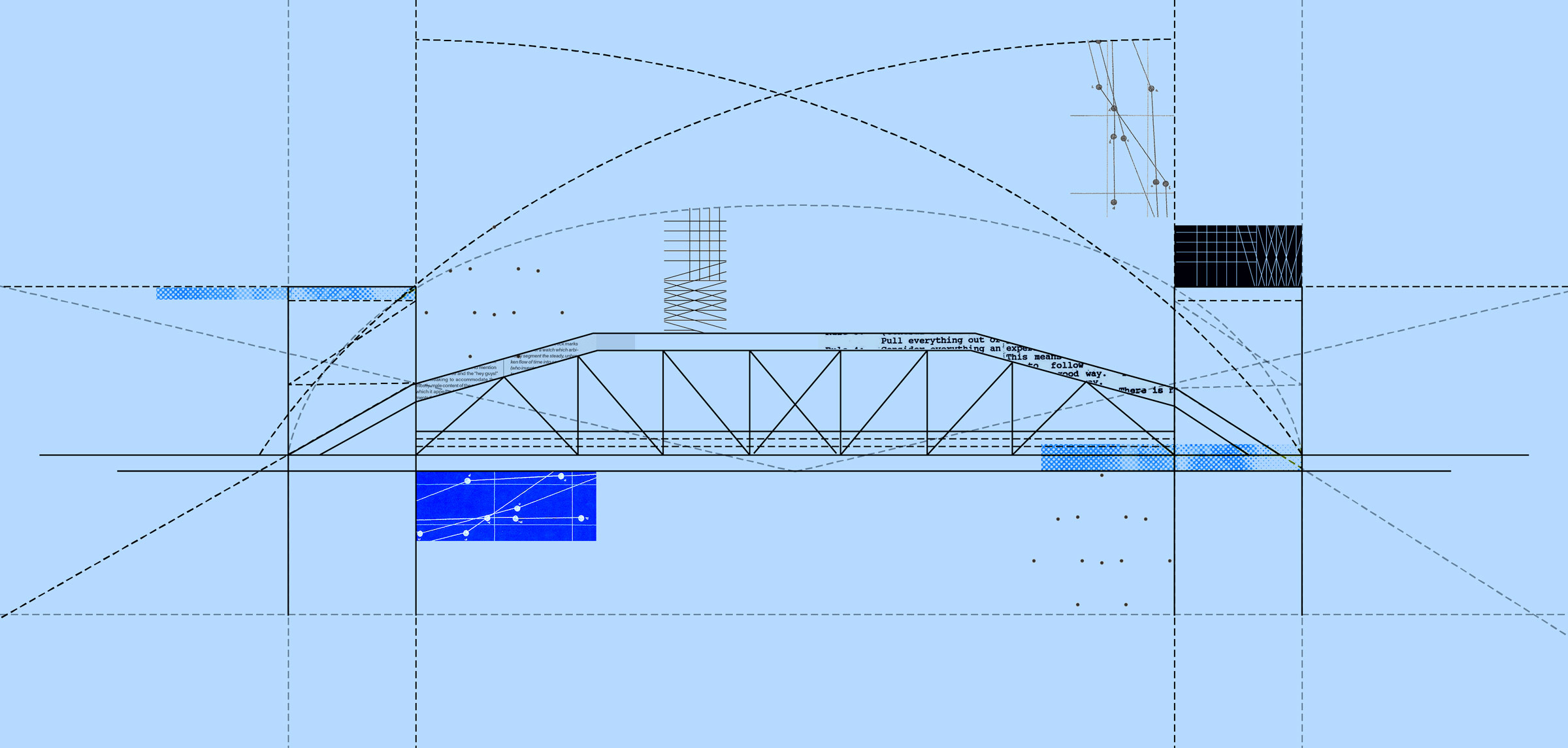
The router’s ability to insulate users from volatility and network congestion is a key advantage. By abstracting away the technical details, these systems allow applications to focus on utility rather than infrastructure management. This shift is transforming how developers build for multichain environments, enabling more seamless and secure user journeys.
Key protocols driving omnichain adoption
The shift toward unified Web3 experiences relies on infrastructure that can move data and value across disparate networks without forcing users to bridge assets manually. Three protocols currently define this landscape: LayerZero, ZetaChain, and LightLink. Each offers a distinct approach to security, gas abstraction, and chain compatibility.
LayerZero operates as an omnichain interoperability protocol focused on lightweight message passing. It uses a unique verifier and oracle model to ensure authentic message delivery, allowing applications to coordinate across chains asynchronously. This architecture supports gasless transactions when integrated with partners like LightLink, streamlining the user journey by removing the need for native gas tokens on the destination chain.
ZetaChain takes a different route by introducing an independent, EVM-compatible blockchain dedicated to cross-chain computation. Rather than relying on external oracles for every message, ZetaChain’s native chain processes cross-chain logic directly. This approach simplifies development for teams building complex DeFi applications that require real-time data from multiple chains, such as Bitcoin or Solana, without managing separate bridge contracts.
LightLink positions itself as a high-performance execution layer optimized for omnichain applications. By integrating directly with LayerZero, it provides a low-cost environment where users can interact with dApps without worrying about gas fees on the sending chain. This model is particularly effective for social or gaming applications where transaction frequency is high and cost sensitivity is paramount.
The table below compares these protocols on critical infrastructure metrics relevant to developers and investors evaluating the omnichain sector.
| Protocol | Supported Chains | Gas Model | Security Model |
|---|---|---|---|
| LayerZero | 50+ (EVM, Solana, etc.) | Destination pays (abstracted) | Oracle + Verifier |
| ZetaChain | Bitcoin, Ethereum, BSC, Polygon | Native ZETA token | Native PoS chain |
| LightLink | Ethereum (via LayerZero) | Gasless for users | LayerZero + Optimistic |
LayerZero’s dominance in total value locked (TVL) across omnichain apps highlights its first-mover advantage, while ZetaChain’s unique position enables direct interaction with non-EVM chains like Bitcoin. LightLink’s niche focus on gasless UX makes it a strong candidate for consumer-facing applications. As the ecosystem matures, the choice between these protocols will depend on whether the priority is broad chain compatibility, native chain security, or end-user cost abstraction.
Designing for seamless cross-chain transactions
The friction of Web3 often stems from the visible complexity of moving assets between networks. To make omnichain interactions feel like standard Web2 experiences, the interface must hide the underlying routing logic while maintaining absolute clarity on the outcome. Users should not need to understand how a message passes through a relayer or how liquidity is sourced; they only need to know that their funds are safe and where they are going.
Error handling is the most critical component of this trust model. Unlike Web2 platforms where errors are often generic, Web3 errors can mean permanent loss of funds. The UI must distinguish between transient network delays and critical failures, providing clear, actionable language rather than raw hexadecimal codes. If a transaction fails, the interface should immediately explain why and offer a simple path to resolution, such as adjusting the gas limit or switching the destination chain.
Transaction clarity requires displaying the final destination chain and the estimated arrival time prominently, even if the backend handles the routing automatically. This transparency reduces anxiety and prevents support tickets caused by user confusion. By treating the cross-chain bridge as a single, unified action rather than a multi-step ordeal, designers can align the user experience with the simplicity users expect from modern financial tools.

Price discovery in omnichain apps
Live market data integration is the backbone of reliable omnichain UX. When users interact with liquidity pools across different chains, they need to see accurate, real-time values for their assets. Without this, price discovery becomes fragmented, leading to confusion and potential financial loss.
Consider the difference between a static snapshot and a live feed. A static price might show ETH at $3,000, but if the actual market value has shifted to $3,050 due to volume on another chain, the user is making a decision based on outdated information. This lag can result in slippage that exceeds expectations, eroding trust in the platform.
Omnichain applications must pull data from multiple sources to ensure accuracy. By aggregating prices from various liquidity pools, these apps provide a more reliable reference point for users. This transparency is critical for high-stakes transactions, where even small discrepancies can have significant consequences.
Frequently asked questions about omnichain UX
Understanding the technical underpinnings of omnichain infrastructure is essential for navigating Web3 without relying on risky, centralized bridges. These answers clarify the definitions and protocols that drive unified cross-chain experiences.
No comments yet. Be the first to share your thoughts!