
Omnichain UX budget
Omnichain applications (Oapps) let users interact with different blockchains simultaneously, but the underlying infrastructure is invisible to the average user. The real challenge isn't the technology—it's the user experience. Poor UX in blockchain often stalls adoption because users are forced to manage multiple wallets, bridge assets manually, and navigate confusing fee structures. Omnichain standards aim to abstract this complexity, presenting a unified logical domain rather than a fragmented set of isolated chains.
When evaluating omnichain solutions, look for tools that handle the heavy lifting of cross-chain messaging and token transfers. The Omnichain Fungible Token (OFT) standard is a prime example, enabling tokens to exist across multiple blockchains while maintaining a unified supply. This means you don't need to worry about the mechanics of debiting a source chain and crediting a destination chain; the protocol manages it behind the scenes.
For developers and early adopters, the tradeoff is between control and convenience. Multichain deployments run parallel chain instances, requiring users to actively move assets between them. Omnichain systems merge these into a single experience, reducing friction but often requiring trust in the underlying middleware layer. As the web3 landscape evolves, the best UX will be the one you don't notice.
Shortlist real options
The omnichain landscape is shifting from experimental bridges to unified logical domains. Instead of juggling multiple wallets and manual swaps, these platforms abstract the underlying chains so users interact with a single interface. This approach reduces friction, which is the primary barrier to Web3 adoption.
We evaluated the strongest current solutions based on their ability to handle cross-chain transactions without exposing users to complex bridge mechanics. The following tools represent the most robust implementations of chain abstraction today.
| Platform | Primary Focus | Key Feature | Status |
|---|---|---|---|
| LayerZero | Infrastructure | Omnichain Fungible Token (OFT) Standard | Live |
| Wormhole | Cross-Chain Messaging | Guardian Network Security | Live |
| Chainlink CCIP | Enterprise Interoperability | Verified Execution Layer | Live |
| Polymer | Data Availability | Omnichain Data Layer | Beta |
| Axelar | Smart Contract Interoperability | Proof-of-Stake Security | Live |
LayerZero remains the dominant infrastructure for many developers building omnichain applications (Oapps). Its OFT standard allows tokens to exist across multiple blockchains while maintaining a unified supply. This is distinct from multichain deployments, which often run parallel, isolated instances of tokens. LayerZero’s architecture debits tokens on the source chain and credits them on the destination, ensuring consistency.
Wormhole and Chainlink CCIP offer alternative security models. Wormhole relies on a network of guardians to verify messages, while Chainlink integrates its existing enterprise-grade oracle network. Polymer focuses on the data layer, ensuring that information moves as reliably as assets. Axelar provides a strong proof-of-stake security layer for smart contract interactions.


As an Amazon Associate, we may earn from qualifying purchases.
Choosing the right infrastructure depends on your specific use case. If you are building a token-heavy application, LayerZero’s OFT standard is the most mature choice. For enterprise or high-value transactions, Chainlink CCIP’s verified execution offers an additional layer of trust. For developers focused on data portability, Polymer’s data layer is worth testing in its current beta phase.
Inspect the expensive parts
Cross-chain failures rarely happen in the happy path. They surface during stress, liquidity crunches, or when a bridge gets drained. If you are building or integrating an omnichain application, you must audit the failure modes before you write a single line of code. This checklist targets the high-cost points where user funds and data integrity are most at risk.
Omnichain messaging relies on oracles to verify cross-chain events. If the oracle goes offline or reports stale data, your application freezes. Check the oracle’s uptime history and slashing conditions. Ensure there is a fallback mechanism if the primary oracle fails to submit a proof within the expected window.
Liquidity is the lifeblood of cross-chain transfers. If a destination chain has insufficient liquidity, users cannot withdraw their assets, effectively locking their funds. Inspect the liquidity pools on both source and destination chains. Set maximum transfer limits based on available depth to prevent partial fills that leave users stranded.
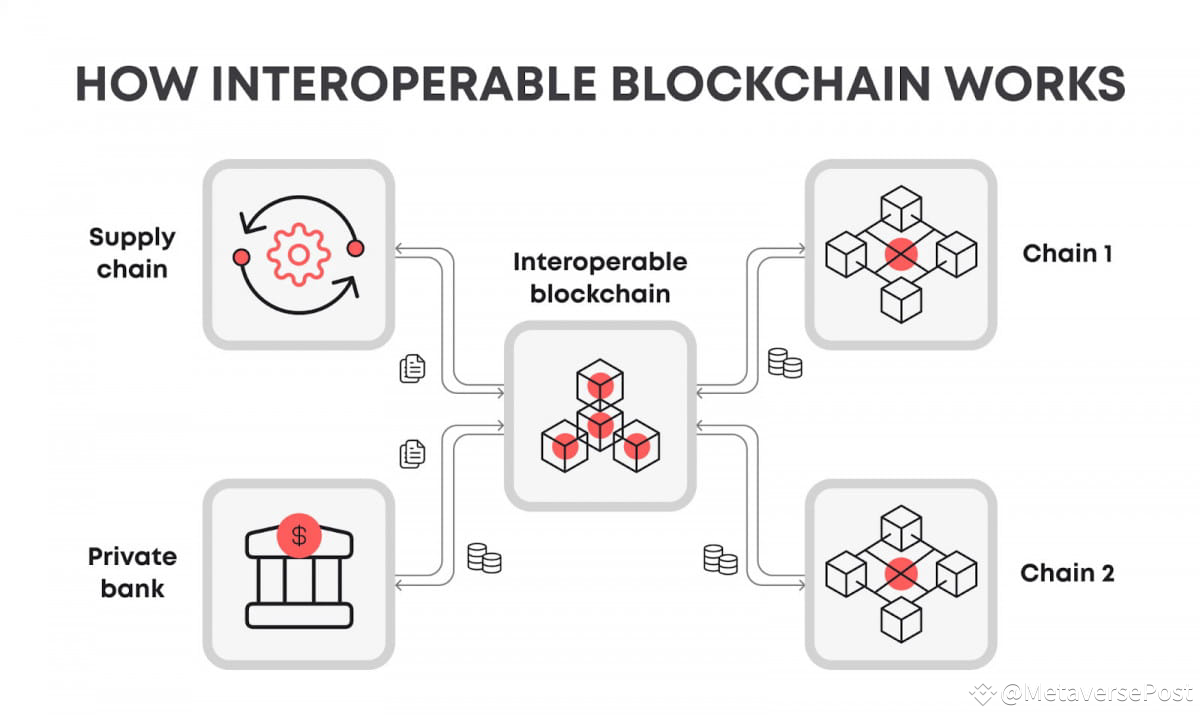
The Omnichain Fungible Token (OFT) standard allows tokens to exist across multiple blockchains with a unified supply. Verify that the mint/burn logic is correctly implemented. Ensure that debiting a sender on the source chain correctly credits the receiver on the destination chain. A mismatch here causes supply inflation or permanent loss of tokens.

Users should not need to hold native gas tokens on every chain. Test the gas payment abstraction under high load. Ensure that the gas sponsorship mechanism does not run out of funds mid-transaction. If the gas layer fails, the entire cross-chain message fails, and the user must wait for a timeout to reclaim their assets.
These checks prevent the most common and expensive failures in omnichain systems. By focusing on oracles, liquidity, token standards, and gas, you build a foundation that handles the messy reality of cross-chain interactions.
Plan for ownership costs
A low upfront price for cross-chain infrastructure often hides significant long-term expenses. While omnichain tools promise seamless interaction, the reality involves ongoing maintenance, security audits, and the technical debt of managing complex integrations. What looks like a bargain during the initial setup can quickly become a financial burden once you factor in the resources required to keep the system running securely.
The biggest surprise for many teams is the cost of maintenance. Omnichain solutions require constant monitoring to ensure data integrity across different networks. A single misconfigured bridge or outdated smart contract can lead to costly exploits or failed transactions. You are not just buying software; you are subscribing to a continuous cycle of updates and security patches. If your team lacks the specialized expertise to manage these intricacies, you will likely need to hire external consultants, driving up your operational budget.
Consider the total cost of ownership (TCO) before committing. A cheap solution might lack the robustness needed for high-volume transactions, forcing you to migrate to a more expensive platform later. Migration itself is expensive, involving data transfer fees and potential downtime. Instead of focusing solely on the initial purchase price, evaluate the long-term stability and support offered by the provider. A slightly higher initial investment in a reliable, well-supported omnichain tool can save you from the steep costs of fixing failures down the line.


As an Amazon Associate, we may earn from qualifying purchases.
Omnichain ux: what to check next
Omnichain applications, or Oapps, are decentralized applications that operate across multiple blockchain networks simultaneously. Instead of forcing users to choose a single chain, these apps allow interactions with different blockchains at once, abstracting the underlying infrastructure.
The distinction between multichain and omnichain is significant. Multichain deployments often run parallel instances on different chains, requiring users to manage separate assets. Omnichain systems merge these blockchains into one unified logical domain, eliminating the need for manual bridging.
User experience remains the primary hurdle in blockchain adoption. Poor design causes friction, but omnichain standards address this by streamlining transaction flows. This creates a more reliable and faster settlement process for end users.
The Omnichain Fungible Token (OFT) standard enables tokens to exist across multiple chains while maintaining a unified supply. It works by debiting tokens from a sender on the source chain and crediting the receiver on the destination chain, ensuring consistency without complex wrapping.
No comments yet. Be the first to share your thoughts!