Why omnichain UX design matters now
The current blockchain landscape forces users to juggle disconnected identities. To interact with a decentralized application, a user typically needs to hold native tokens on specific chains, manage multiple wallets, and manually bridge assets across networks. This fragmentation creates friction that stalls adoption, as the infrastructure becomes the primary obstacle rather than the application itself.
Omnichain UX design addresses this by abstracting the underlying complexity. Instead of navigating a maze of bridges and swaps, users interact with a unified interface that handles cross-chain logic in the background. This shift transforms the user experience from a technical chore into a seamless interaction, allowing people to focus on the utility of the application rather than the mechanics of the blockchain.
Chain abstraction removes the friction of bridging and swapping, letting users focus on the application, not the infrastructure.
This approach aligns with the emerging vision of the Omnichain Web, a framework designed to streamline the multichain ecosystem by treating interoperability as a foundational layer rather than an afterthought. By simplifying the user journey, omnichain tools enable developers to build novel architectures that feel as intuitive as traditional web applications, removing the technical barriers that have historically limited mass adoption.
Leading platforms for unified cross-chain interfaces
Building a seamless omnichain experience requires more than just connecting wallets; it demands infrastructure that abstracts away the underlying complexity of multiple blockchains. The tools listed below are the primary engines enabling developers to create unified user flows where assets and data move freely without forcing users to manage bridging or gas fees on each individual network.
These platforms act as the connective tissue between disparate ledgers, allowing a single application to interact with Ethereum, Solana, or Layer 2s as if they were one unified chain. For product buyers, the choice of tool determines how invisible the blockchain layer becomes to the end user. The goal is to shift the user's focus from "which chain is this on?" to "what can I do with my assets?"
The following tools have emerged as leaders in this space, each offering distinct advantages for abstraction depth and developer integration. LayerZero provides a lightweight messaging protocol that is widely adopted for its low overhead, while ZetaChain offers a dedicated omnichain smart contract platform for more complex logic. Meanwhile, specialized UI kits like those from Smithery are beginning to address the frontend friction directly.
Comparison of key omnichain tools
The table below compares the core capabilities of the leading omnichain infrastructure providers, focusing on supported networks, abstraction level, and integration complexity.
LayerZero: The Lightweight Messaging Standard
LayerZero has become the de facto standard for many cross-chain applications due to its "oracle-relayer" model, which allows for extremely lightweight smart contracts. For UX designers, this means that the frontend can remain largely unchanged while the backend handles the complex routing of messages between chains. This approach is ideal for applications that need to move simple state updates or token approvals across networks without the overhead of full asset bridges.
The LayerZero Scan tool provides a transparent view of these cross-chain interactions, helping users verify that their transactions have landed correctly on the destination chain. This transparency is critical for building trust in omnichain systems, where the lack of a central authority can make users anxious about lost funds.
ZetaChain: Native Omnichain Smart Contracts
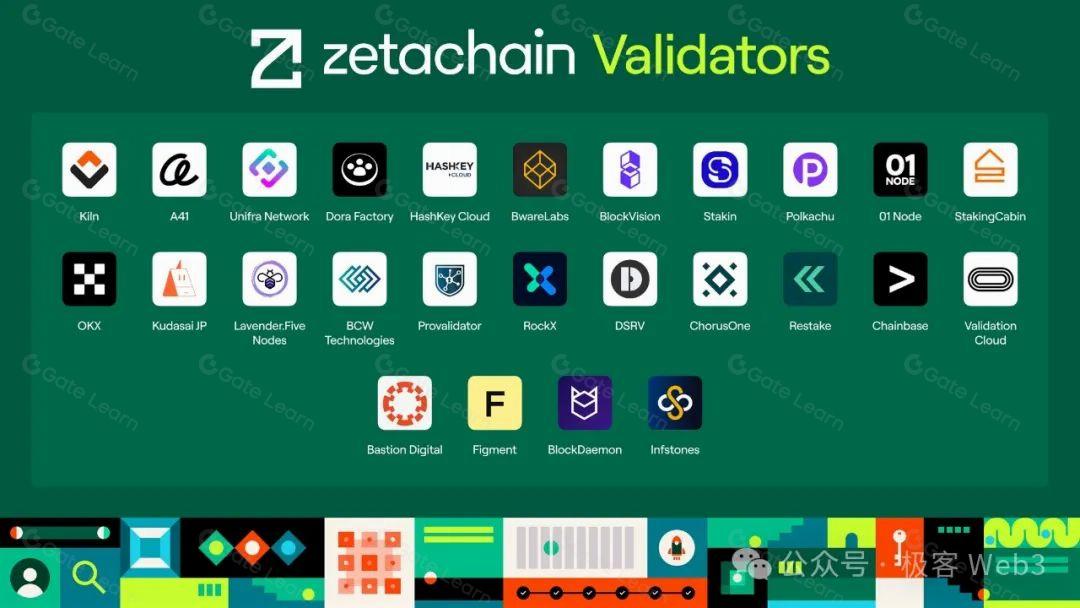
ZetaChain takes a different approach by providing a dedicated layer for omnichain smart contracts. This allows developers to write code that can directly read and write to Bitcoin and Ethereum without relying on wrapped assets or complex bridges. For UX, this means users can interact with Bitcoin directly from an Ethereum-based dApp, maintaining the native security properties of both chains.
This "new crypto primitive" simplifies the user experience by removing the need for users to understand the nuances of different chain architectures. They simply interact with the application, and ZetaChain handles the cross-chain coordination in the background.
Specialized UI Components: Smithery and Rujira
While infrastructure providers handle the backend, tools like Smithery's jb-omnichain-ui skill address the frontend challenges directly. These components are designed to display unified cross-chain data and handle single payments across multiple networks, reducing the development time for complex omnichain interfaces. Similarly, Rujira Network offers a unified DeFi experience that abstracts away the fragmentation of liquidity across different chains, allowing users to swap and deposit assets without worrying about which specific pool they are interacting with.


As an Amazon Associate, we may earn from qualifying purchases.
Design patterns for seamless interaction
Cross-chain transactions often feel like jumping through hoops because users must manage multiple wallets, bridge assets manually, and track gas fees across different networks. To make omnichain experiences feel native, design patterns must abstract this complexity away. The goal is to create a unified interface where the underlying blockchain mechanics become invisible to the end user.
Unified balances and single-sign-on
The most effective omnichain tools aggregate assets from multiple chains into a single dashboard. Instead of asking users to check five different explorers, these platforms display a consolidated view of holdings. This pattern reduces cognitive load and prevents errors caused by checking the wrong network balance.
Single-sign-on (SSO) flows further simplify access. Rather than requiring separate wallet connections for each chain, a unified authentication layer allows users to interact with any supported network using one signature. This approach mirrors the convenience of Web2 logins, making Web3 interactions feel familiar and secure.
Abstracted bridging and gas abstraction
Bridging is the primary friction point in cross-chain UX. Advanced design patterns hide the bridging process behind a single "Swap" or "Send" button. The interface automatically calculates the optimal route, executes the bridge, and settles the transaction on the destination chain, all within one user action.
Gas abstraction removes the need for users to hold native tokens for fees. By sponsoring gas fees or allowing payment in stablecoins, these patterns ensure transactions never fail due to insufficient native currency. This reliability is critical for maintaining trust in omnichain applications.
Real-world examples
LayerZero is a leading interoperability protocol that powers many of these seamless experiences. Its OApp design patterns allow developers to coordinate cross-chain logic efficiently, ensuring that transactions are executed reliably across different networks. By leveraging LayerZero's infrastructure, applications can offer users a consistent experience regardless of the underlying chain.
Other tools in the ecosystem focus on simplifying the user interface for these complex operations. By prioritizing intuitive design, these platforms are making cross-chain interactions accessible to a broader audience. The best omnichain UX tools are those that make the technology disappear, leaving only the desired outcome.
Choosing the right abstraction layer
Selecting an omnichain tool requires balancing security guarantees, user familiarity, and developer overhead. The right abstraction layer acts as a translation engine, allowing your application to interact with multiple blockchains without forcing users to manage complex wallet switches or bridge tokens manually. This simplification is the core promise of omnichain architecture, turning fragmented liquidity into a unified experience.
When evaluating tools, prioritize those that support native asset transfers over wrapped versions. Native transfers reduce counterparty risk and simplify the user journey. For instance, ZetaChain’s approach enables developers to bring novel architectures to existing apps by handling cross-chain messaging natively, which significantly lowers the cognitive load for end users. Look for solutions that abstract away the underlying chain mechanics while maintaining clear transaction visibility.
Consider the developer experience as a proxy for long-term maintainability. Tools that offer robust SDKs and clear documentation reduce the time spent debugging cross-chain edge cases. A streamlined development process often correlates with a more polished final product, as teams can focus on feature innovation rather than infrastructure plumbing. The goal is to find a tool that feels invisible to the user but robust for the engineer.

![Perixx PERIBOARD-535BR [Firmware Updated] Wired Ergonomic Mechanical Keyboard - Full-Size - Low-Profile Brown Tactile Switches - NKRO Anti-Ghosting - Compatible with Windows and macOS](https://m.media-amazon.com/images/I/71d5v14gj8L._AC_UY654_QL65_.jpg)

As an Amazon Associate, we may earn from qualifying purchases.
Frequently asked questions about omnichain UX
What is UX in blockchain and how does omnichain design improve it?
Blockchain UX often feels like navigating a maze of disconnected wallets and confusing transaction hashes. Poor user experience is the primary reason adoption stalls, as users struggle with technical friction rather than enjoying the product's value. Omnichain design solves this by abstracting the underlying complexity. Tools like LayerZero Scan demonstrate how a unified interface can handle cross-chain interactions seamlessly, allowing users to focus on their goals rather than the mechanics of bridging assets.
Why is cross-chain compatibility essential for modern wallet interfaces?
Users no longer want to manage five different wallets for five different networks. Cross-chain compatibility allows a single interface to interact with multiple blockchains without forcing the user to switch contexts or manually bridge funds. This reduces cognitive load and transaction errors. When designing for 2026, the priority is a unified experience where the user sees their total portfolio and can transact across chains without understanding the technical plumbing behind the scenes.
What are the biggest design challenges for omnichain products?
The main challenge is balancing security with simplicity. Users need to understand gas fees, network selection, and transaction finality without being overwhelmed by jargon. Effective design uses clear visual indicators for network status and cost estimates. It also requires robust error handling that explains issues in plain language, such as "Insufficient ETH for gas" rather than raw error codes, ensuring the user can resolve issues without leaving the application.
No comments yet. Be the first to share your thoughts!