

In the sprawling multiverse of blockchains, where Layer 2s and Layer 3s multiply like digital rabbits, users have long wrestled with liquidity silos and bridge-induced headaches. Enter chain abstraction routers like River, which are quietly rewriting the rules for bridge-free cross-chain interactions. These protocols don't just connect chains; they make the connections invisible, letting you chase yields or swap assets across ecosystems without ever touching a bridge. As a portfolio manager who's allocated across dozens of L2s, I've seen how this shift toward L2 L3 unified UX isn't hype, it's the infrastructure upgrade DeFi desperately needs.
The Fragmentation Trap Holding Back Multi-Chain Growth
Picture this: Ethereum humming at $2,145.61, down a modest 0.5750% in the last 24 hours, yet its L2s like Arbitrum and Optimism are bursting with TVL. But moving capital between them? A gauntlet of bridges, wrapped tokens, and gas token juggling. Traditional bridges expose users to hacks, delays, and impermanent loss risks, fragmenting liquidity and stifling dApp adoption. NEAR Intents alone has clocked $5 billion in cross-chain volume across 25 and chains without bridges, proving the demand for seamless swaps.
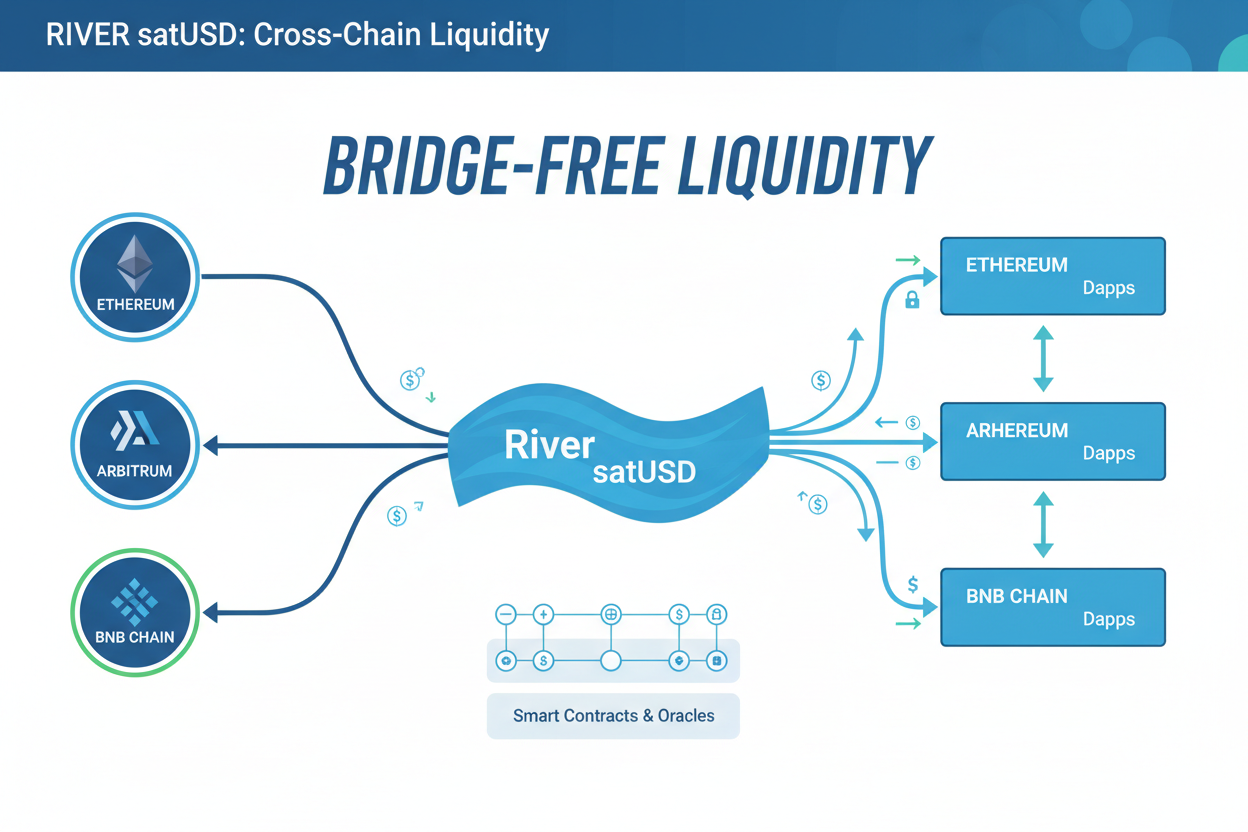
River stands out in this crowd with its chain-abstraction stablecoin system. Deposit BTC or ETH collateral on one chain, mint satUSD on another, and tap yields natively, no wrapping required. By August 2025, it hit over $400 million TVL and $100 million in satUSD circulation, integrating with heavyweights like Pendle and ListaDAO. This isn't just tech; it's a liquidity multiplier that ranks River as the top CDP stablecoin on BNB Chain, Arbitrum, Hemi, and BOB.
Intents-Based Liquidity: From User Wishes to Solver Magic
At the heart of chain abstraction routers lies intents-based execution, flipping the script from 'how to execute' to 'what I want. ' Standards like ERC7683 optimize solver networks, lowering barriers for universal routing. Protocols such as Across, Anoma, and Eco are racing ahead, enabling faster, cheaper bridging alternatives. Router Protocol's ROUTE 2.0 builds middleware for interoperable dApps, abstracting chains entirely.
For investors like me, this means diversified L2 allocations finally behave like a unified portfolio. No more chain-specific gas worries or bridge waits eroding returns. River's support for LSTs and integration with 30 and protocols turns fragmented ecosystems into a yield playground, where omnichain stablecoins like satUSD flow freely.
Ethereum Technical Analysis Chart
Analysis by Sarah Thompson | Symbol: BINANCE:ETHUSDT | Interval: 4h | Drawings: 6
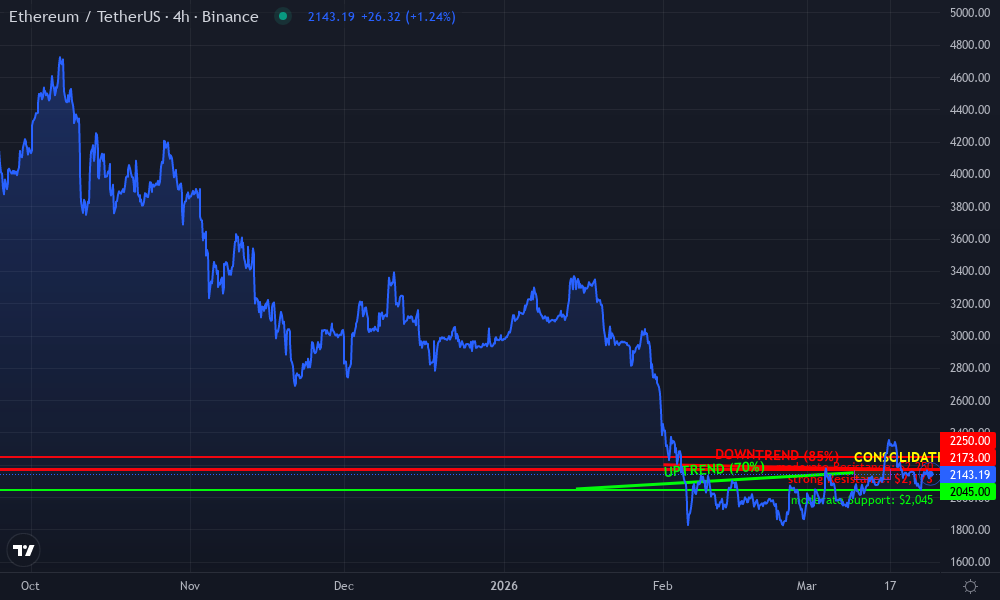
Technical Analysis Summary
As Sarah Thompson, apply a balanced hybrid analysis by first drawing a primary downtrend line connecting the swing highs from early February 2026 at $2,200 to the recent high on March 17, 2026 near $2,173, using 'trend_line' tool in red. Add horizontal support at $2,104 (24h low) and resistance at $2,173 (24h high) with 'horizontal_line'. Mark a consolidation rectangle from March 10-17, 2026 between $2,104-$2,173 using 'rectangle'. Place fib retracement from recent swing low $2,104 to high $2,173. Add callouts for declining volume and MACD bearish divergence. Entry long zone at $2,120 with long_position marker, stop below $2,100, target $2,250. Use arrow_mark_down at MACD crossover point around March 20, 2026.
Risk Assessment: medium
Analysis: Short-term bearish momentum from MACD and downtrend, but declining volume and chain abstraction tailwinds cap downside risk near $2,100 support.
Sarah Thompson's Recommendation: Consider swing long entry at $2,120 with tight stops, diversifying into L2 exposure for balanced portfolio.
Key Support & Resistance Levels
📈 Support Levels:
- $2,104 - 24h low and recent consolidation base, weak but psychologically key. weak
- $2,045 - Prior swing low from early March, moderate support aligning with 0.618 fib. moderate
📉 Resistance Levels:
- $2,173 - 24h high and downtrend channel top, immediate overhead. strong
- $2,250 - Next fib extension and prior weekly high. moderate
Trading Zones (medium risk tolerance)
🎯 Entry Zones:
- $2,120 - Bounce from support zone with volume pickup, aligned to medium risk swing long. medium risk
🚪 Exit Zones:
- $2,250 - Profit target at fib 1.618 extension and channel breakout. 💰 profit target
- $2,080 - Stop loss below key support to limit downside. 🛡️ stop loss
Technical Indicators Analysis
📊 Volume Analysis:
Pattern: declining on downside
Volume drying up on recent drop from $2,173 to $2,104, suggesting exhaustion and potential reversal.
📈 MACD Analysis:
Signal: bearish crossover
MACD line crossed below signal recently, but histogram contracting - watch for divergence.
Applied TradingView Drawing Utilities
This chart analysis utilizes the following professional drawing tools:
Disclaimer: This technical analysis by Sarah Thompson is for educational purposes only and should not be considered as financial advice. Trading involves risk, and you should always do your own research before making investment decisions. Past performance does not guarantee future results. The analysis reflects the author's personal methodology and risk tolerance (medium).
River's Edge in the Chain Abstraction Race
What sets River apart in the River chain abstraction narrative is its focus on real-world utility. Users access leverage without selling assets, preserving upside while borrowing across chains. OpenZeppelin's primitives for secure cross-chain messaging underpin this, creating unified accounts that feel like a single-chain experience. QuickNode highlights how this unifies liquidity and compliance, cracking open enterprise doors.
With Ethereum steady at $2,145.61 after dipping from a 24-hour high of $2,172.98, the timing feels ripe. Intents-based liquidity routers like River aren't waiting for mass adoption; they're engineering it. Plurality Network nails it: chain abstraction streamlines transactions, driving Web3 forward. As TVL surges, expect more protocols to follow, but River's momentum positions it as a frontrunner for frictionless DeFi.
Developers are already building on this foundation. Imagine crafting a cross-chain DEX where users specify 'swap ETH for USDC at best rate across Arbitrum and BNB Chain, ' and solvers handle the rest. Ethereum Foundation talks highlight exactly that: leveraging intents to abstract away multi-chain headaches, turning complex builds into straightforward deployments.
Unlocking Yield in a Bridge-Free World
River's omnichain stablecoins shine brightest when you factor in yield strategies. Deposit LSTs like stETH on Ethereum, borrow satUSD on Hemi, and loop into Pendle fixed yields, all without bridging risks. This preserves capital efficiency, letting BTC holders tap DeFi leverage across L2s and L3s. As someone balancing Web3 funds, I view this as a game-changer for diversified portfolios. Traditional multi-chain plays bleed alpha to friction; River recaptures it.
River's Key Advantages
- Bridge-Free Liquidity: Deposit collateral on one chain and mint omni-chain satUSD on another without bridges or wrapping, unifying L2/L3 liquidity.

- Native Yield Access: Earn yield and leverage across ecosystems like Pendle and ListaDAO directly on collateral, without selling assets.
- Multi-Collateral Support: Backed by BTC, ETH, BNB, and liquid staking tokens (LSTs) for flexible, omni-chain stablecoin minting.
- Unified L2/L3 UX: Single interface abstracts chains, gas tokens, and network switches for seamless dApp interactions.

- Proven Scale: $400M+ TVL, $100M satUSD circulated, #1 CDP stablecoin on BNB Chain, Arbitrum, Hemi, BOB.

Critics might point to solver centralization risks or oracle dependencies, but standards like ERC7683 are hardening the stack. Solver networks compete on speed and cost, much like MEV on Ethereum, fostering decentralization over time. Eco's rankings show Across and Anoma pushing boundaries, yet River's $400 million TVL underscores execution over promises.
Enterprise interest adds another layer. QuickNode's analysis frames cross-chain abstraction as the compliance bridge, pooling liquidity while enforcing KYC rails where needed. This could lure TradFi players wary of siloed chains, especially with Ethereum holding firm at $2,145.61 amid broader market dips.
Comparison of Top Chain Abstraction Routers
| Router | TVL | Chains Supported | Bridge-Free Features |
|---|---|---|---|
| River | $400M+ (Aug 2025) | BNB Chain, Arbitrum, Hemi, BOB (L2s/L3s) | Deposit collateral on one chain, mint omni-chain satUSD on another; no bridging/wrapping; native yield/leverage access |
| NEAR Intents | N/A ($5B cross-chain volume) | 25+ chains | Seamless asset swaps without bridges |
| Router Protocol | N/A | Multiple chains (middleware) | Intent-based execution; ROUTE 2.0 standardizes cross-chain intents for dApps |
Beyond stables, the ripple effects hit DEXs, lending, and perps. Unified bridges from GitHub repos enable one-step communications, solving fragmentation at the protocol level. Plurality Network argues this UX overhaul is Web3's killer app, and data backs it: NEAR's $5 billion volume signals trillion-dollar potential as adoption scales.
Portfolio Playbook: Allocating to Abstraction Winners
In my allocations, chain abstraction routers like River slot into the 15-20% omnichain bucket, alongside Router Protocol and emerging intents layers. Why? They compound returns by minimizing drag. With ETH's 24-hour low at $2,104.52 rebounding to $2,145.61, L2 TVL inflows favor protocols abstracting complexity. Diversification across L2s isn't enough anymore; it must be seamless.
Look at integrations: 30 and protocols mean satUSD is battle-tested, from Solv's BTCfi to ListaDAO's LSTs. Users gain bridge-free cross-chain superpowers, swapping collateral ecosystems without liquidation spirals. OpenZeppelin's secure primitives ensure this scales safely, paving unified accounts that track net worth across chains.
Deposit ETH on Ethereum & Mint satUSD on Arbitrum with River – Bridge-Free!
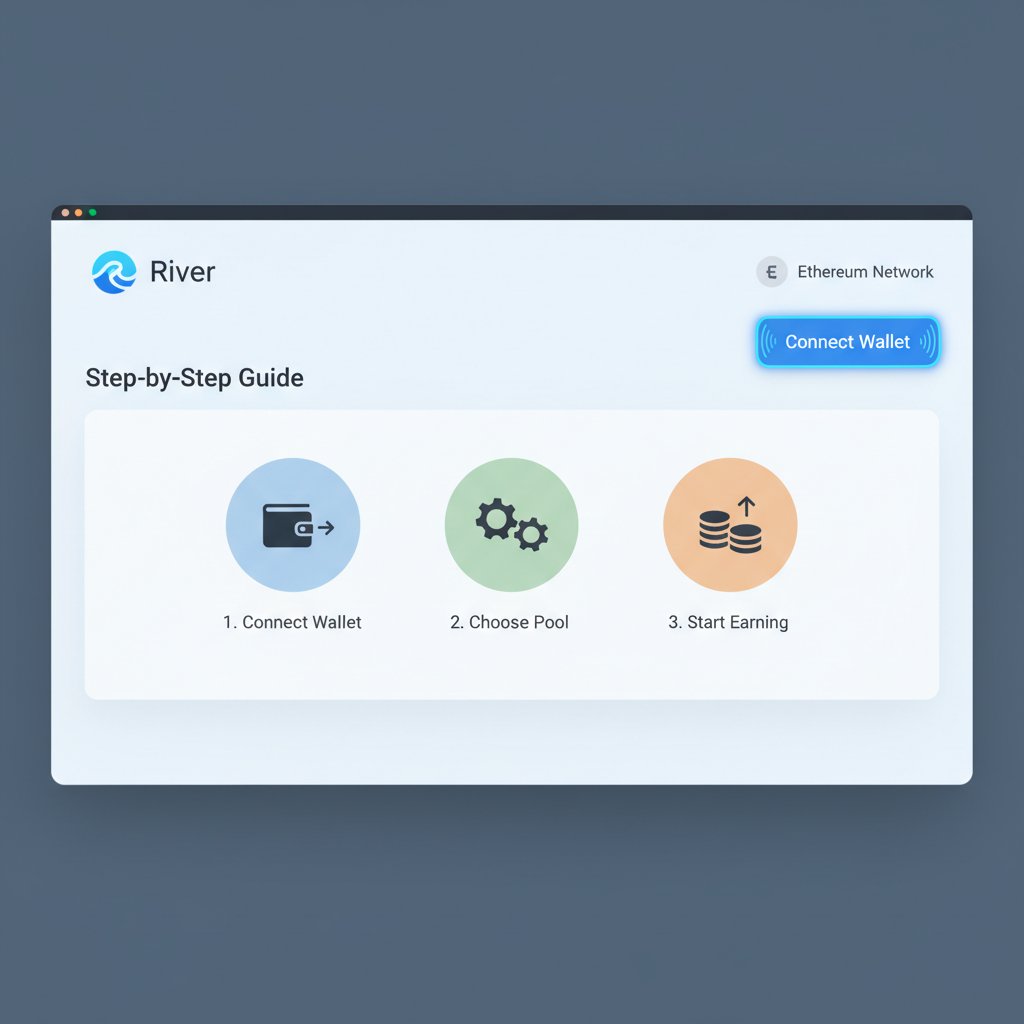
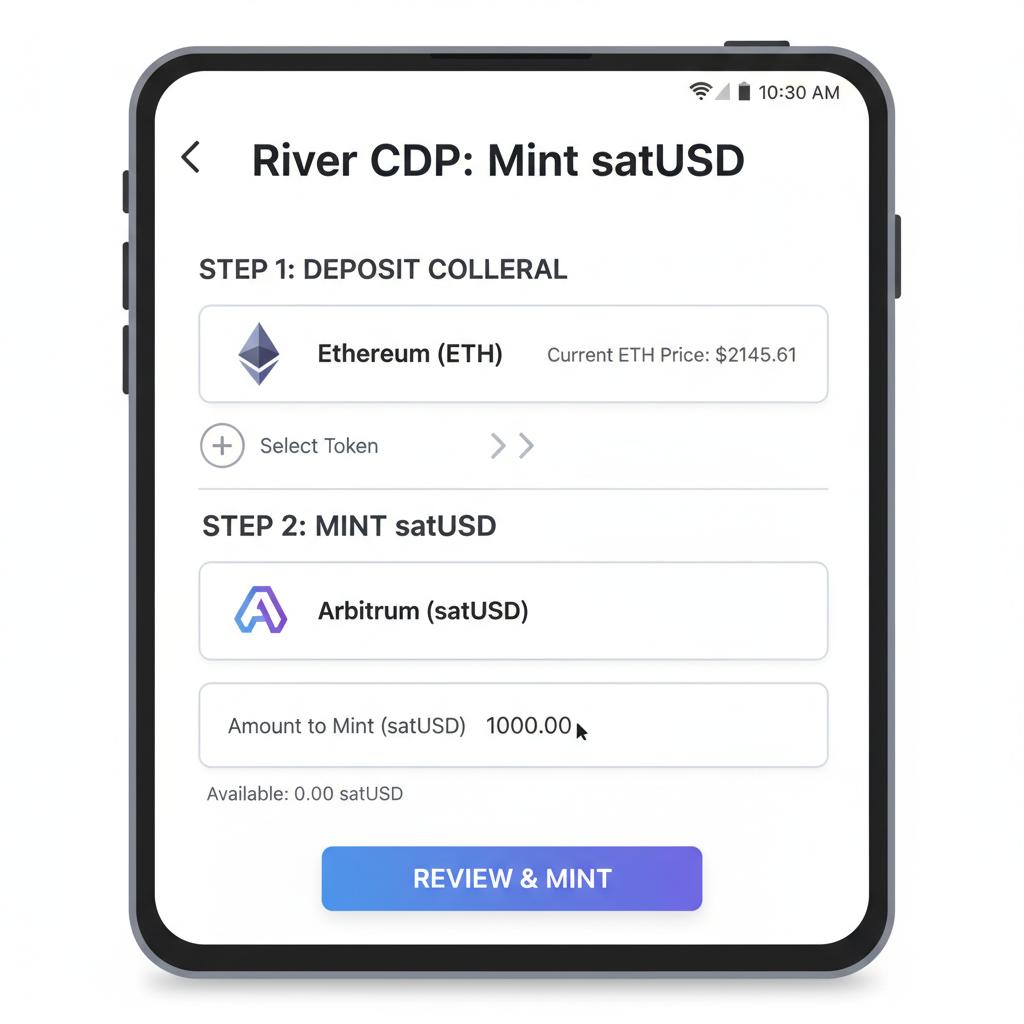
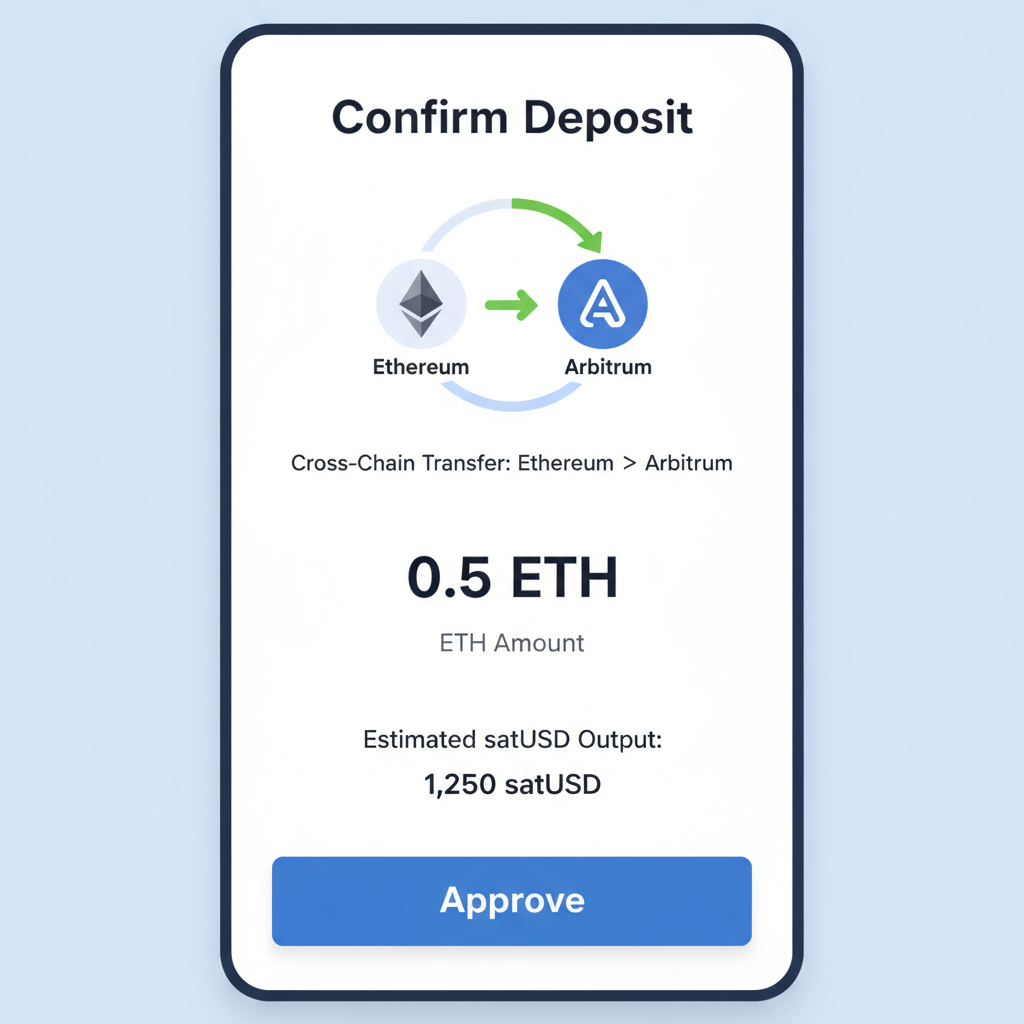
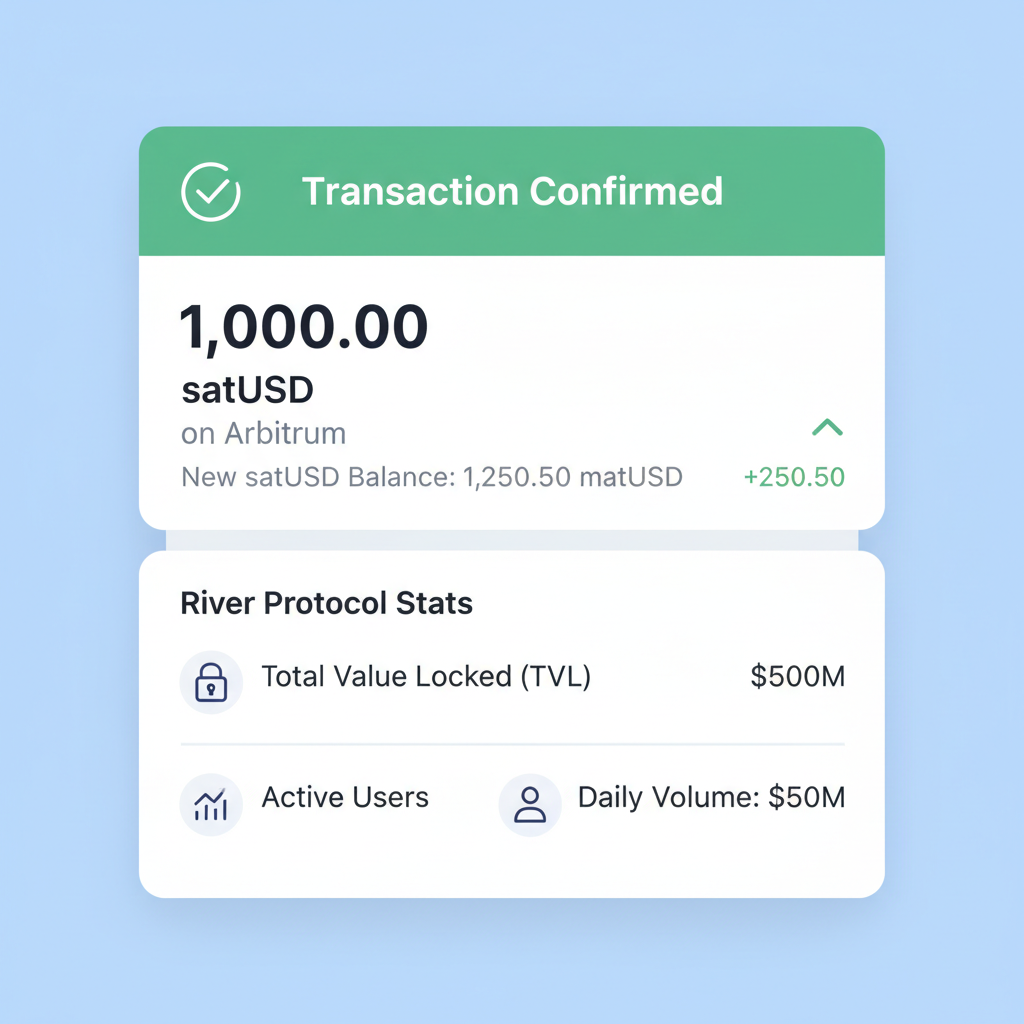
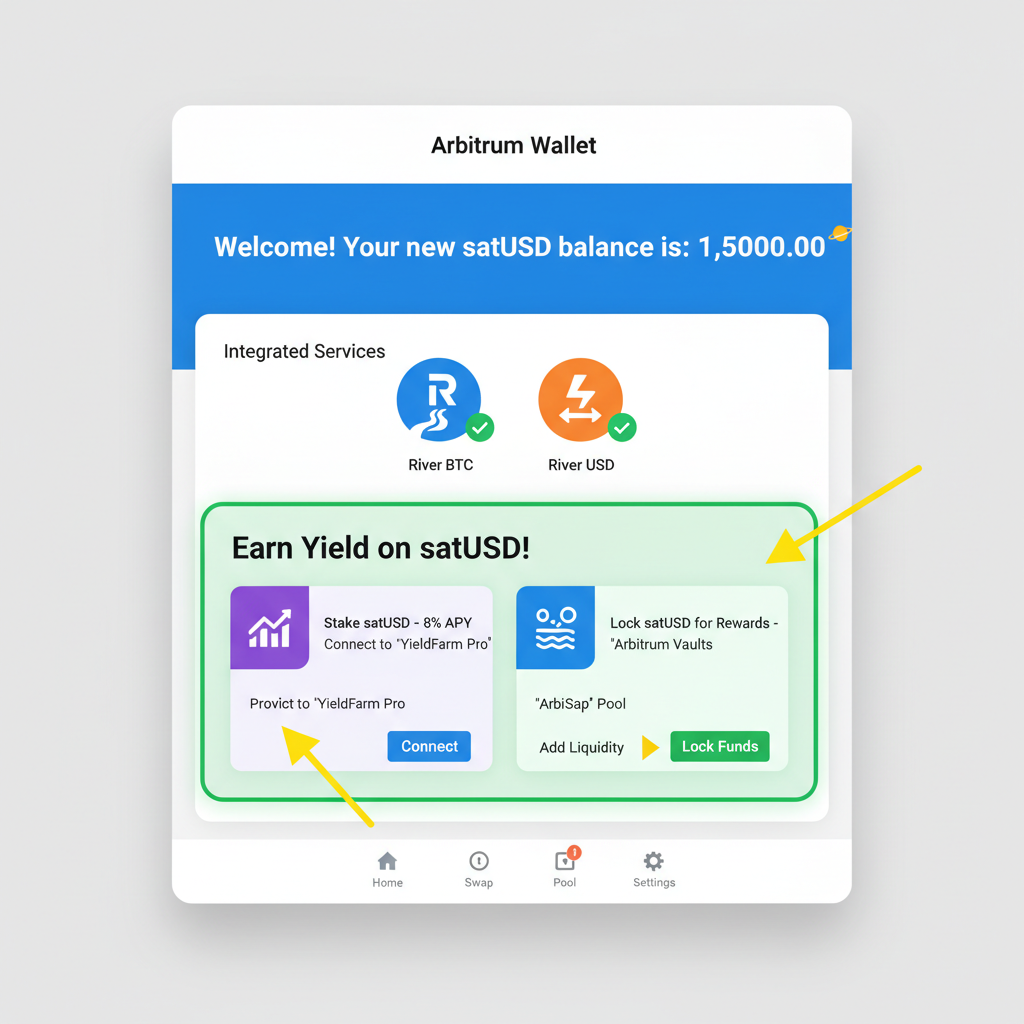
As L3s proliferate, expect abstraction to evolve. ROUTE 2.0's middleware hints at dApp ecosystems where chains dissolve entirely. For innovators, this is prime time: build on River, capture intents-based liquidity flows. My Wharton-honed hybrid analysis screams buy the abstraction dip; frictionless DeFi is the next yield frontier.
River isn't flawless, but in a field of intent pretenders, its traction speaks volumes. With Ethereum steady and multi-chain TVL climbing, these routers are gluing Web3 together, one invisible swap at a time. The multiverse just got a lot smaller, and a lot more profitable.




No comments yet. Be the first to share your thoughts!