

In the fragmented multichain world of 2025, where Ethereum hovers at $2,263.70 after a 24-hour drop of $65.88 or -2.83%, Socket Protocol stands out as a chain abstraction router redefining unified UX for L2 to L3 bridging. Developers and users alike grapple with silos of liquidity and clunky cross-chain transfers, but Socket's intent-based system cuts through this noise. By treating user goals as high-level intents rather than rigid transactions, it orchestrates seamless interactions across ecosystems, bypassing the pitfalls of point-to-point bridges.
Socket positions itself as the first chain abstraction protocol, a claim backed by its infrastructure that empowers apps to span multiple chains without custom bridging logic. Traditional bridges demand users track assets through escrow periods and vulnerability-prone contracts; Socket flips this script. Its AppGateway smart contract acts as a neutral orchestrator, verifying and executing intents via a network of solvers. This setup aligns with the broader shift in DeFi toward account abstraction wallets, paymaster gas sponsorship, and session keys, as noted in recent Symbiosis Finance analysis.
Intent Solvers: The Engine Driving Omnichain Bridging
At Socket's core lies an intent-centric model, where users declare outcomes like "swap ETH on Arbitrum for USDC on a L3 rollup" without specifying paths. Solvers compete to fulfill these intents optimally, routing through the best liquidity pools and minimizing slippage. This mirrors emerging standards in autonomous agents on blockchains, per arXiv research, but Socket operationalizes it for practical DeFi use. In a market where ETH's 24-hour range squeezed from $2,334.73 to $2,223.20, such efficiency becomes paramount for traders dodging volatility.
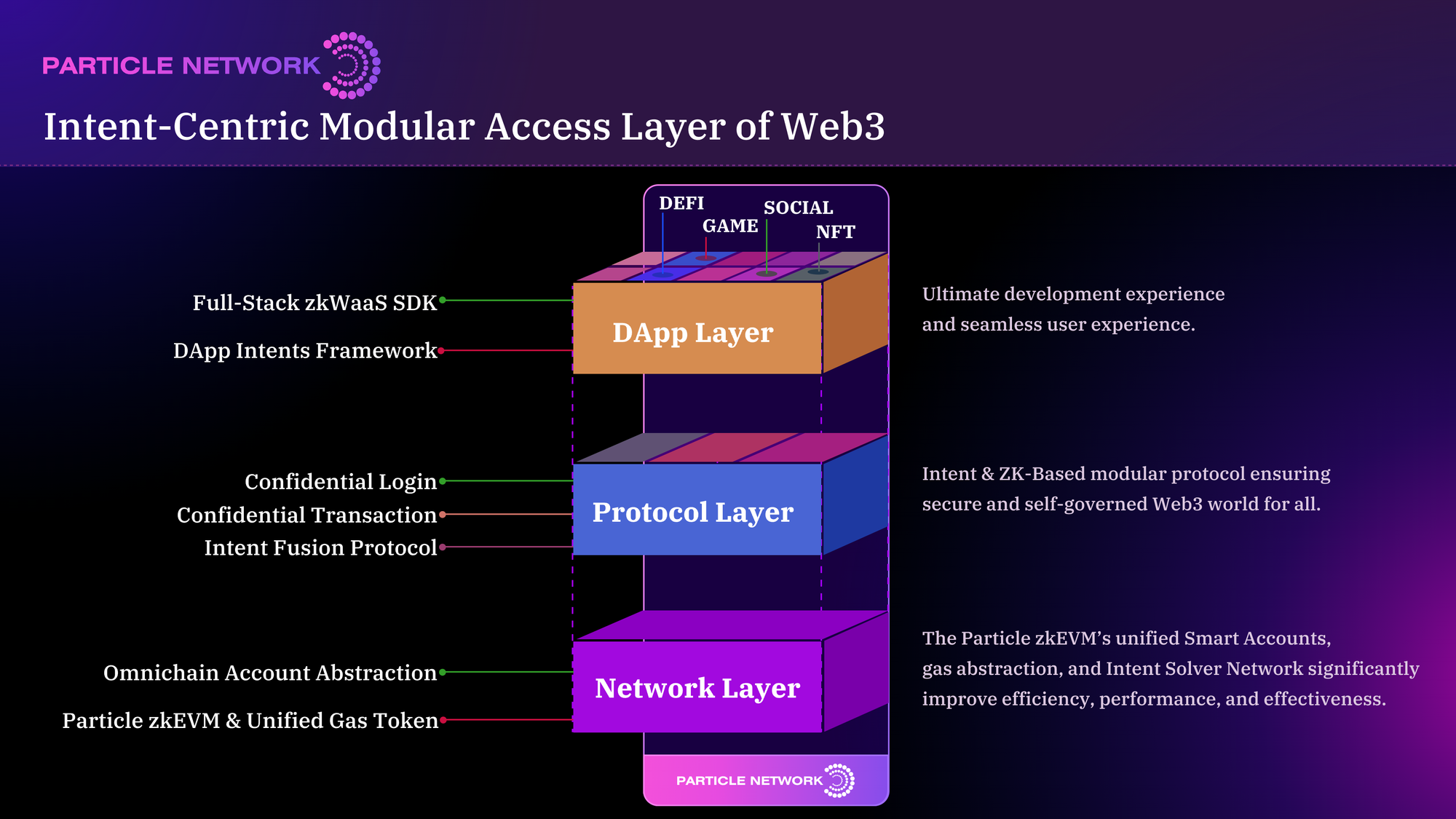
LI. FI's deep dive into "solvers all the way down" underscores Socket's edge: intents decompose into sub-intents, enabling recursive optimization. Unlike Particle Network's account-level unification, Socket focuses on protocol-level abstraction, letting developers compose contracts agnostic to chain specifics. This precision reduces fragmentation, a chronic issue Mapleblock Capital flags in interoperability debates. Socket's approach yields faster settlements and lower costs, with solvers incentivized by fees to prioritize user value.
From L2 Fragmentation to L3 Seamlessness
L2s like Optimism and Base have scaled Ethereum's base layer, yet L3s introduce nested rollups that amplify UX friction. Socket's chain abstraction router unifies this stack, enabling omnichain bridging where assets flow natively. Ventolus on Medium hails it for seamless app interactions; Eco. com echoes this, positioning Socket as the antidote to blockchain silos. Picture deploying a DeFi vault that hedges across Base L2 and a custom L3 gamefi chain: Socket handles the orchestration, shielding users from gas wars and chain IDs.
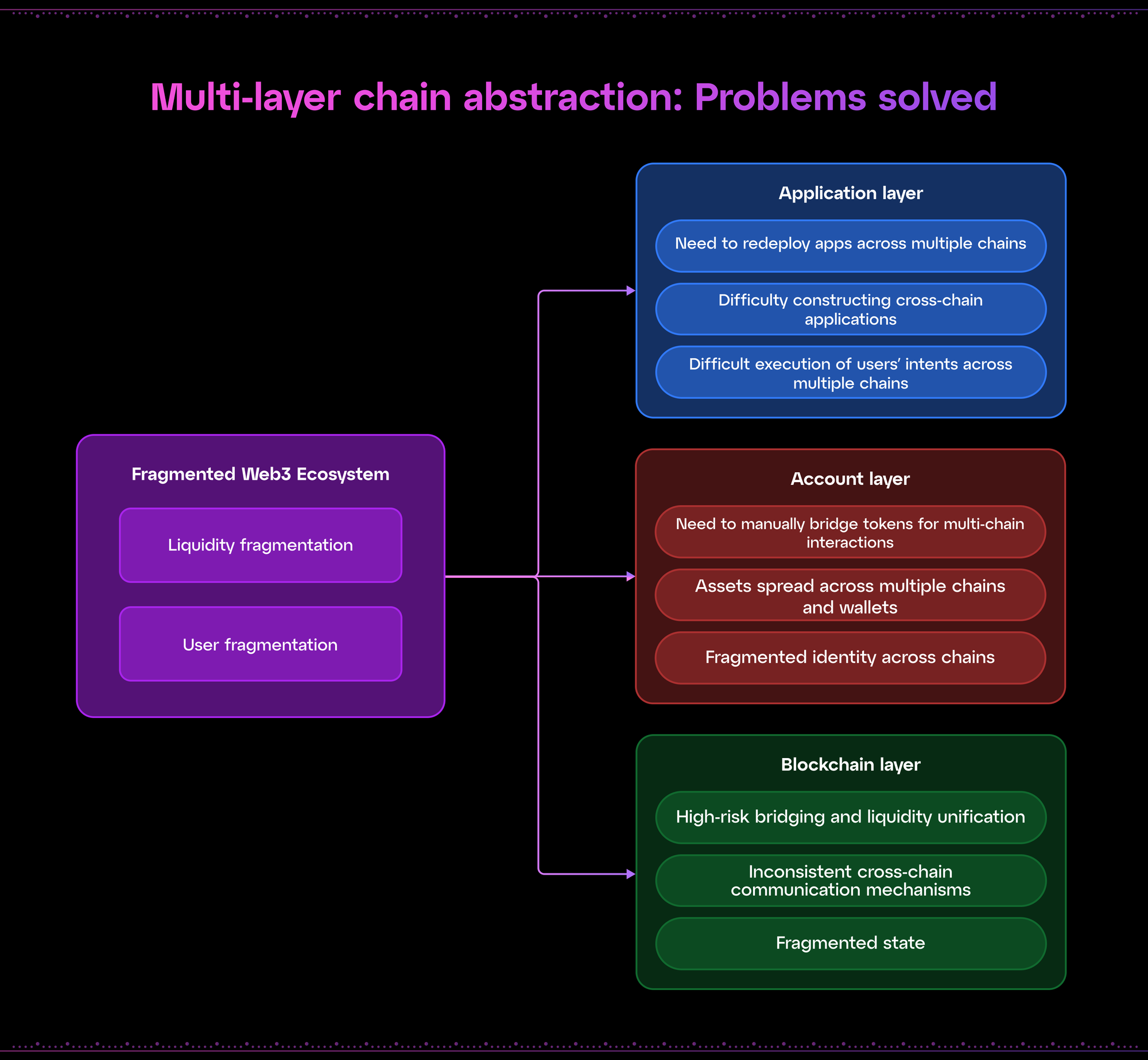
Technically, Socket leverages modular execution layers. Intents route via a permissionless solver marketplace, with verification anchored in the AppGateway. This intent-based multi-chain execution, straight from Socket docs, supports autonomous agents and wallet architectures evolving in 2025. 포필러스 calls chain abstraction the final narrative fixing crypto UX; Socket embodies it, offering devs tools to build frictionless dApps. Early metrics suggest robust traction, as adoption curves in similar protocols steepen amid ETH's steady $2,263.70 base.
Socket's Tokenomics and Market Positioning
Beyond tech, Socket's UX-driven tokenomics consults align incentives. As an FRM holder charting omnichain routers, I see price action in related assets signaling bullish divergence. Solvers stake tokens for execution rights, creating a flywheel of security and efficiency. In a DeFi era of sponsored gas and session keys, Socket's model scales to L3 payloads without proportional complexity. Shoal Research on Particle highlights account unification goals; Socket advances this at the protocol layer, priming for mass adoption.
Staking mechanisms ensure solvers deliver on intents, with slashing for failures creating a robust trust layer. This tokenomics flywheel echoes successful DeFi primitives, but Socket tailors it to chain abstraction router demands, where execution speed trumps volume alone. Amid Ethereum's dip to $2,263.70 from a 24-hour high of $2,334.73, such aligned incentives position Socket to capture value as L2 liquidity consolidates.
Developer Tools: Socket's SDK for Frictionless Omnichain Builds
Socket's SDK abstracts away chain-specific quirks, letting devs declare intents in familiar Solidity-like syntax. No more wrangling Wormhole or LayerZero messengers; instead, the AppGateway handles routing, with solvers bidding in real-time. This unified UX L2 L3 paradigm shines in complex flows, like cascading swaps across Optimism, Zora L2, and experimental L3s. arXiv's agent standards validate this, but Socket delivers production-ready primitives today.
Post-integration, devs tap into Socket's solver network for gasless execution via paymasters, aligning with 2025's account abstraction wave. Symbiosis Finance notes intent solvers optimizing user goals; Socket executes this at scale, reducing failed txs by orders of magnitude. For traders eyeing ETH's $2,223.20 low, Socket-enabled bots could arbitrage volatility seamlessly, turning multichain drag into alpha.
Risks, Edges, and the Road to Dominance
No protocol escapes scrutiny. Socket's solver marketplace risks centralization if top players dominate, though permissionless entry mitigates this over time. Compared to LI. FI's solver stacks, Socket's AppGateway adds verifiable finality, crucial for high-value intents. Particle Network chases account unification; Socket prioritizes protocol abstraction, a complementary layer that could interoperate via shared intents. Mapleblock Capital's interoperability thesis favors such routers, predicting efficiency gains over bridges by 10x in latency and cost.
| Metric | Traditional Bridges | Socket Chain Abstraction |
|---|---|---|
| Settlement Time | Minutes to hours 🔴 | Seconds 🟢 |
| Cost Variability | High (gas spikes) 🔴 | Optimized (solver competition) 🟢 |
| UX Friction | Chain switching required 🔴 | Intent-only 🟢 |
Charts reveal Socket's momentum. As an FRM holder with a decade in derivatives, I track omnichain volume against ETH's $2,263.70 anchor. Divergence patterns suggest inflows despite the -2.83% pullback, with RSI coiling for upside. Socket's omnichain bridging captures this, as L3 payloads explode.
Ethereum Technical Analysis Chart
Analysis by Jennifer Martinez | Symbol: BINANCE:ETHUSDT | Interval: 1h | Drawings: 8
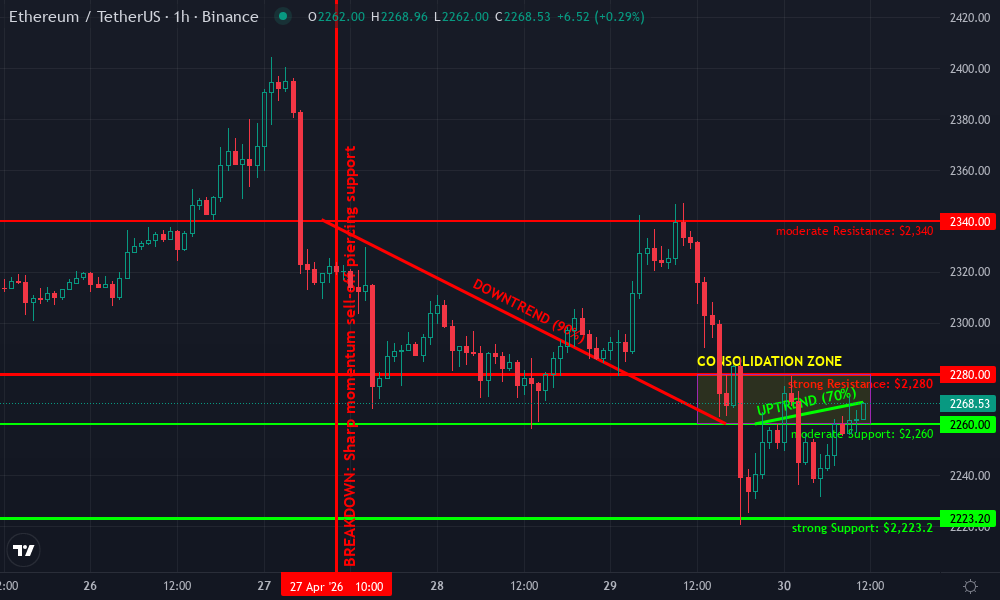
Technical Analysis Summary
Aggressively mark the dominant downtrend crushing from $2340 peak on April 27 to the $2260 trough on April 29 with a thick red trend_line, confidence 0.9. Slap horizontal_lines at key support $2223.20 (24h low, strong bounce zone) and resistance $2280 (recent breakdown level). Rectangle the consolidation chop between $2260-$2280 from April 29-30 for the brewing reversal. Fib_retracement from the drop: 0.618 at $2275 for entry trigger. Long_position marker at $2265 with arrow_mark_up targeting $2340 profit zone, stop below $2220. Short_position if breaks $2223. Callout volume exhaustion on the dump and MACD bearish divergence fading. Vertical_line on April 27 breakdown for the momentum kill. This setup screams high-reward long scalp for volatility chasers like us at AppchainLiquidity.com – chain abstraction hype via Socket Protocol fueling L3 liquidity pumps incoming!
Risk Assessment: medium
Analysis: High volatility setup with clear risk-defined long, but crypto whims add uncertainty; aligns with my aggressive day-trading style
Jennifer Martinez's Recommendation: Enter long now at $2265, target $2340 for 3.5% reward:risk 1:3+ – volatility loves chain abstraction pumps!
Key Support & Resistance Levels
📈 Support Levels:
- $2,223.2 - 24h low and psychological support cluster strong
- $2,260 - Recent swing low with volume exhaustion moderate
📉 Resistance Levels:
- $2,280 - Breakdown level from April 27 dump strong
- $2,340 - Prior high before cascade moderate
Trading Zones (high risk tolerance)
🎯 Entry Zones:
- $2,265 - Aggressive long on bounce from support with MACD divergence medium risk
🚪 Exit Zones:
- $2,340 - Resistance target for quick scalp 💰 profit target
- $2,220 - Tight stop below key support 🛡️ stop loss
Technical Indicators Analysis
📊 Volume Analysis:
Pattern: decreasing on downside, exhaustion
Sellers tiring out, priming reversal
📈 MACD Analysis:
Signal: bearish crossover but histogram contracting
Divergence signaling momentum fade
Applied TradingView Drawing Utilities
This chart analysis utilizes the following professional drawing tools:
Disclaimer: This technical analysis by Jennifer Martinez is for educational purposes only and should not be considered as financial advice. Trading involves risk, and you should always do your own research before making investment decisions. Past performance does not guarantee future results. The analysis reflects the author's personal methodology and risk tolerance (high).
Ventolus and Encode Club spotlight Socket's pioneer status; it's not hype. In a landscape of intents-based protocols, Socket's execution layer sets the standard. Devs building today sidestep tomorrow's fragmentation, users enjoy DeFi without mental math on chains. With ETH stabilizing post-dip, Socket routers like this propel the multichain era forward, one optimized intent at a time.




No comments yet. Be the first to share your thoughts!