

In the evolving landscape of blockchain scalability, NEAR Protocol's chain abstraction routers stand out by delivering unified UX across L2s and L3s, powered by intents and cross-chain swaps. As NEAR trades at $1.06, up $0.0530 or and 0.0524% over the past 24 hours with a high of $1.07 and low of $1.01, its innovations address the fragmentation plaguing multichain environments. Users no longer wrestle with bridges, gas fees, or chain-specific wallets; instead, they declare outcomes, and solvers optimize execution. This shift promises efficiency but demands scrutiny for security and economic risks in a volatile market.
NEAR's approach to chain abstraction routers NEAR builds on a stack that abstracts away blockchain specifics, fostering seamless interactions. Developers and DeFi participants benefit from reduced complexity, yet from a risk management perspective, this centralization of solvers introduces potential points of failure. Historical bridge exploits remind us that abstraction layers must prioritize robust verification mechanisms.
Chain Signatures: The Multichain Control Layer
At the core of NEAR's NEAR chain abstraction lies Chain Signatures, enabling account abstraction across chains. A single NEAR account, secured with passkeys or 2FA, now governs assets on Bitcoin, Ethereum, Solana, and beyond. This eliminates the need for multiple wallets, streamlining NEAR native wallets swaps. Documentation highlights how users control external accounts without native funds, a boon for accessibility but one that heightens custody risks if signature delegation falters.
Practically, this means initiating cross-chain DeFi positions from a familiar interface. Imagine swapping BTC for ETH-derived yield without manual bridging; Chain Signatures handles authentication. However, as NEAR's price holds steady at $1.06, investors should weigh the protocol's sharding-enhanced scalability against oracle dependencies that could amplify losses in downturns.
NEAR Intents: Outcome-Driven Cross-Chain Execution
NEAR Intents elevate this framework into a solver-competitive marketplace for transactions. Users broadcast intents, like swapping any asset across chains, and a network of solvers vie to fulfill them optimally. Supporting over 20 chains, including recent Aptos integration pushing volume near $1 billion, NEAR intents cross-chain capabilities shine in native swaps without intermediaries.
NEAR Protocol (NEAR) Price Prediction 2027-2032
Long-term forecasts driven by Chain Abstraction Routers, NEAR Intents, and cross-chain interoperability from current $1.06 price in 2026
| Year | Minimum Price | Average Price | Maximum Price | Cumulative Avg % Change from $1.06 |
|---|---|---|---|---|
| 2027 | $1.40 | $3.50 | $7.00 | +230% |
| 2028 | $2.20 | $5.50 | $12.00 | +419% |
| 2029 | $3.50 | $9.00 | $20.00 | +749% |
| 2030 | $5.50 | $14.00 | $30.00 | +1,221% |
| 2031 | $8.50 | $22.00 | $45.00 | +1,974% |
| 2032 | $13.00 | $35.00 | $70.00 | +3,201% |
Price Prediction Summary
NEAR Protocol is positioned for robust growth due to its innovative chain abstraction ecosystem, including intents and seamless cross-chain swaps across 20+ blockchains, with nearly $1B in volume. Predictions reflect bullish adoption trends, technical scalability, and market cycles, with average prices potentially multiplying over 30x by 2032 in optimistic scenarios, while minimums account for bearish corrections.
Key Factors Affecting NEAR Protocol Price
- Leadership in chain abstraction enabling unified L2/L3 UX and multichain DeFi
- NEAR Intents and integrations with Starknet, Aptos, Bitcoin, Ethereum boosting interoperability and volume
- Account abstraction via Chain Signatures for simplified user onboarding
- Sharding for scalability supporting mass adoption
- Crypto market bull cycles and BTC halving effects post-2026
- Regulatory developments favoring interoperable protocols
- Risks from competition (e.g., Solana, Ethereum L2s) and macroeconomic volatility
Disclaimer: Cryptocurrency price predictions are speculative and based on current market analysis. Actual prices may vary significantly due to market volatility, regulatory changes, and other factors. Always do your own research before making investment decisions.
This intent-based model transforms cross-chain swaps from brittle processes to reliable outcomes. For instance, Starknet users now access 120 and native assets from 25 chains via simple clicks, bypassing bridges. Solvers ensure best routes, minimizing slippage, but their competition assumes honest actors; malicious solvers could exploit intents, underscoring the need for vigilant monitoring.
In my 14 years managing risks, I've seen abstraction layers unlock liquidity but expose portfolios to unseen vectors. NEAR's intents, layered on Chain Signatures and sharding, promote mass adoption through email-based accounts and gasless usage. Yet, as volume surges, so does the imperative for audited solver economics to prevent systemic cascades.
Recent Integrations Fueling Unified L2 L3 UX
Aptos joining the fold connects it to 19 chains, enabling low-fee, fast-finality swaps with Bitcoin and Ethereum. Starknet's bridge-free inflows exemplify unified UX L2 L3 NEAR, where L3 complexities vanish behind intents. These moves, processing substantial volume at NEAR's current $1.06 valuation, signal maturing infrastructure.
NEAR Intents allow trading of any asset on any chain from a single account, leveraging the chain abstraction stack.
From Propeller Heads to Anoma collaborators, discussions emphasize intents' role in removing UX friction. AI agents even exchange intents with users, hinting at agentic DeFi. Still, prudence dictates stress-testing these routers under congestion; NEAR's nightly sharding aids scalability, but real-world spikes at $1.06 demand proof.

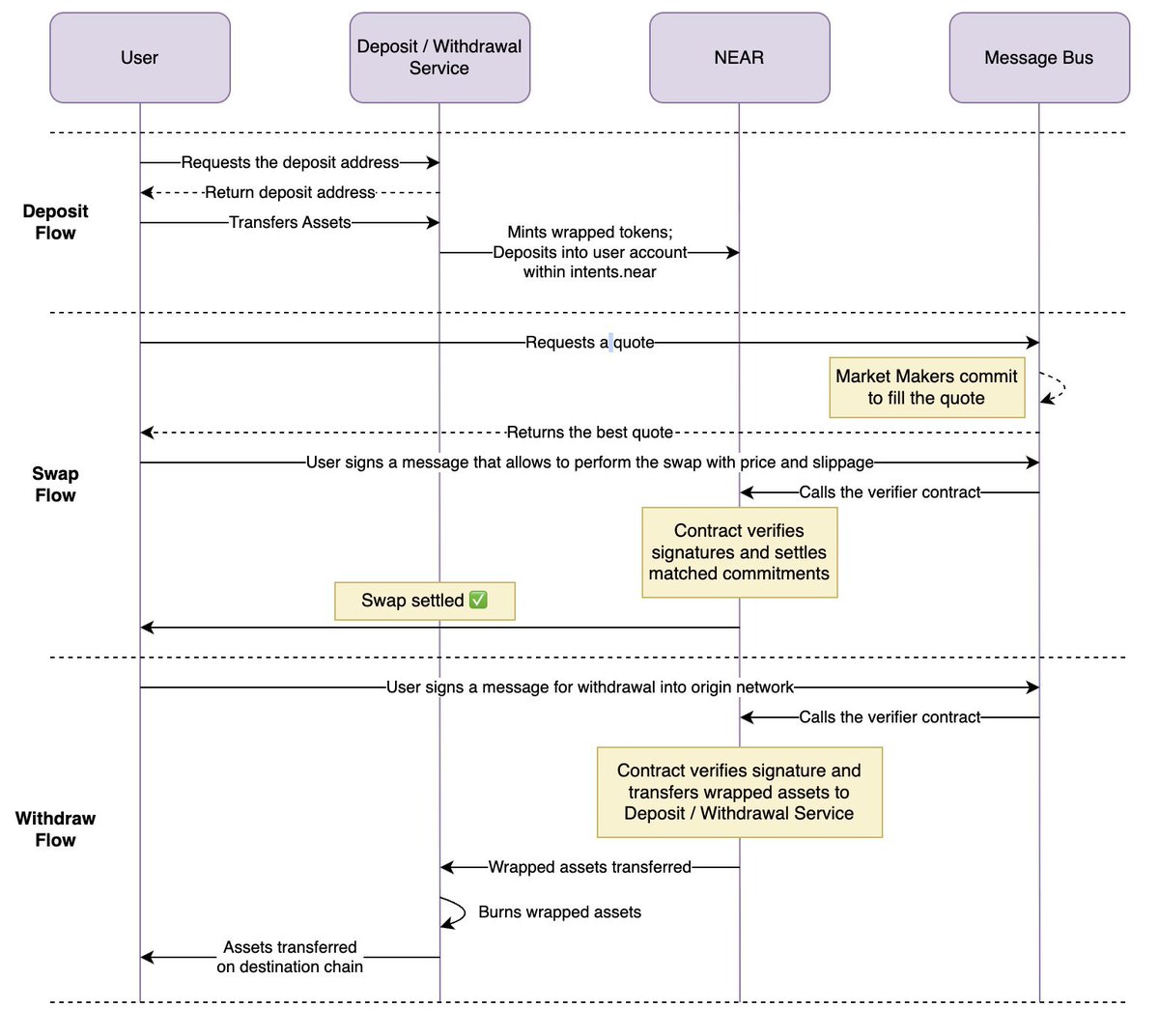
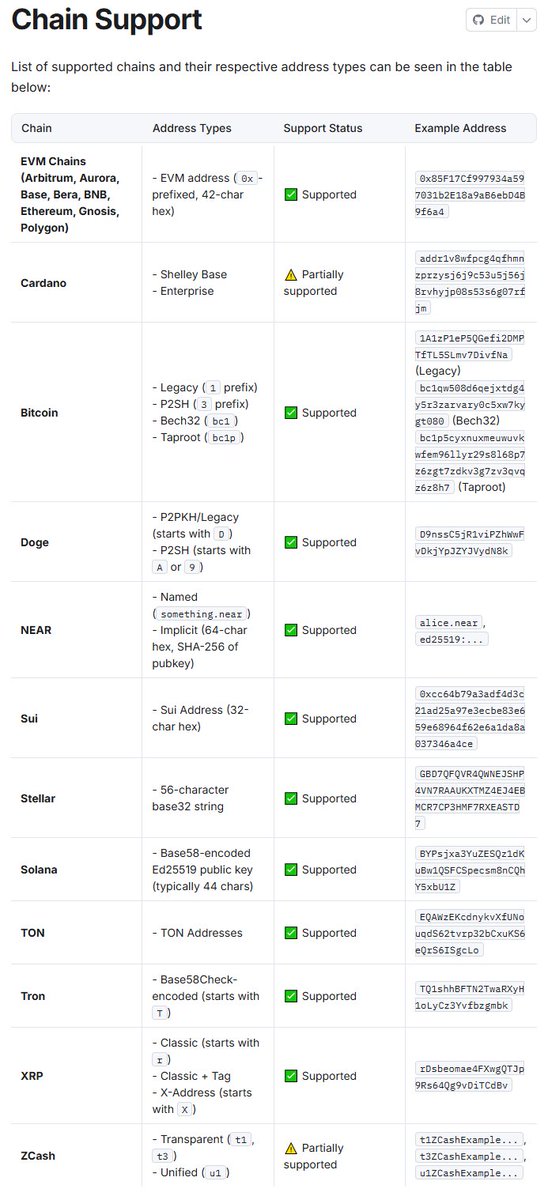
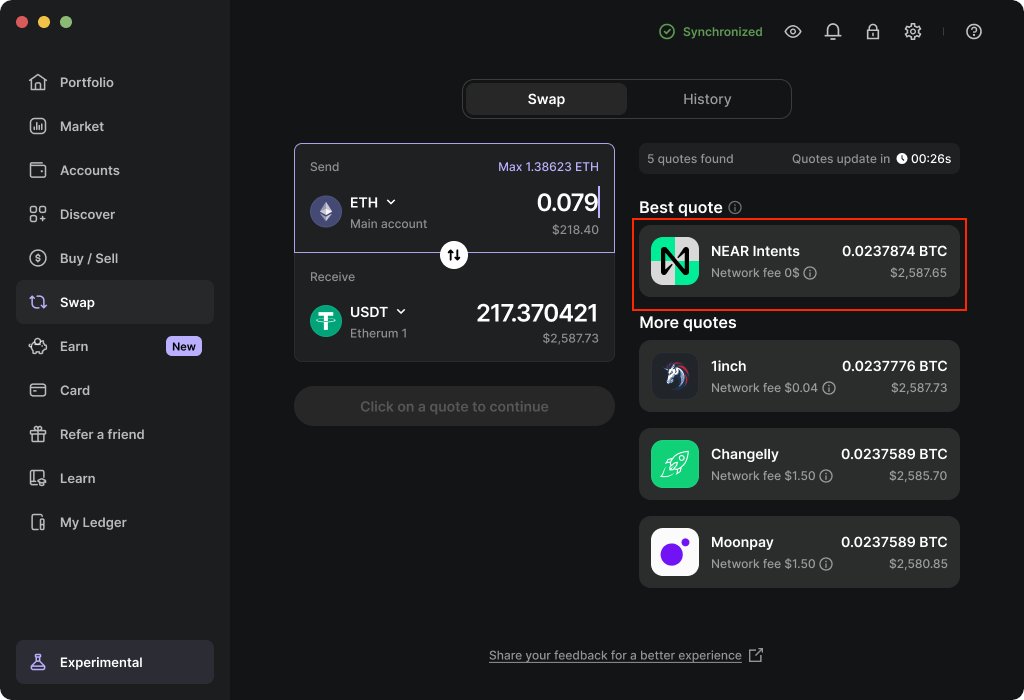
Such advancements position NEAR as a leader in frictionless dApps, yet builders must embed controls like intent timeouts and multi-solver verification to safeguard users amid L2 L3 sprawl.
Developers leveraging chain abstraction routers NEAR can integrate these primitives into dApps with minimal overhead. By exposing Chain Signatures via SDKs, builders enable users to sign multichain actions from NEAR accounts, abstracting key management. Intents then route through solver networks, optimizing for cost and speed across L2s like Optimism or L3s nested on Arbitrum orbits.
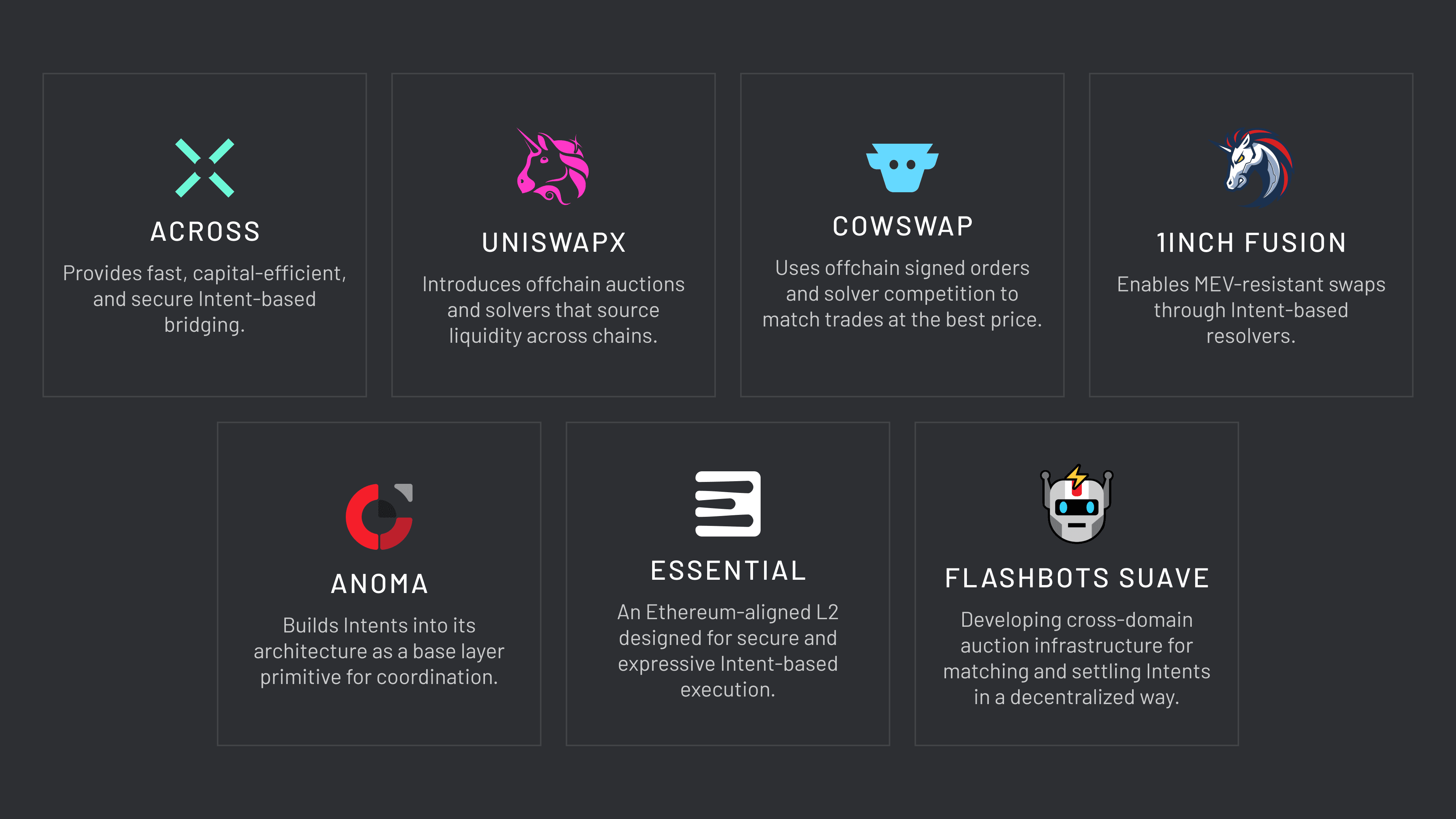
This unification extends to NEAR native wallets swaps, where protocols like SwapKit handle native assets without wrapped tokens. At NEAR's steady $1.06 price, with a 24-hour range from $1.01 to $1.07, such tools attract liquidity hunters seeking yield without chain-hopping fatigue. Yet, my risk lens flags solver centralization: if dominant actors collude, execution quality suffers, echoing MEV pitfalls on Ethereum.
Risks in the Abstraction Stack: A Prudent Assessment
While NEAR Intents process nearly $1 billion in volume across 20 chains, vulnerabilities lurk. Solver auctions invite front-running, where faster bots snatch premiums, disadvantaging retail users. Chain Signatures' delegation, though innovative, risks replay attacks if nonces falter across heterogeneous chains. Historical precedents, like Ronin or Wormhole breaches, cost billions; NEAR mitigates via sharding and audited contracts, but L3 fragmentation amplifies oracle risks in volatile swings around $1.06.
Chains Supported by NEAR Intents (Total: 20)
| Chain | Assets | Integration Status |
|---|---|---|
| Bitcoin | BTC | Core |
| Ethereum | ETH, ERC20s | Core |
| Solana | SOL, SPL | Core |
| Aptos | APT | Recent |
| Starknet | STRK, 120 natives | Recent |
Portfolio managers must model these exposures. Intents reduce UX friction but introduce solver dependency, potentially inflating costs during congestion. NEAR's nightly sharding supports 100,000 TPS theoretically, yet real tests at current volumes hover lower. Diversify intents across solvers and cap exposures to 5-10% per chain, aligning with FRM principles for multichain resilience.
User adoption hinges on intuitive tools. Email logins bypass seed phrases, gasless actions lure newcomers, and AI-mediated intents preview autonomous DeFi. Starknet's 25-chain access via clicks exemplifies unified UX L2 L3 NEAR, but empirical data shows 20-30% failure rates in early cross-chain tests, often from liquidity droughts. Solvers evolve to counter this, yet users should monitor dashboards for route transparency.
Future Horizons: Scaling Intents in a Multichain World
NEAR's trajectory, buoyed by $1.06 stability amid and 0.0524% gains, points to broader intents ecosystems. Integrations with Bitcoin via Chain Signatures unlock BTC DeFi, while L3 rollups gain native swaps. Collaborations with Anoma and Everclear signal intent marketplaces rivaling centralized exchanges in efficiency. For builders, SDKs simplify embedding; a basic intent swap requires three lines: declare, sign, submit.
Envision AI agents negotiating intents autonomously, settling across L2s without human input. This agentic shift accelerates NEAR intents cross-chain dominance, but regulators eye custody implications. From my vantage, protocols embedding timelocks and dispute resolution will thrive, insulating users from black swan events.
NEAR Chain Abstraction Routers redefine multichain navigation, blending innovation with necessity. As volumes crest $1 billion and chains multiply, disciplined adoption ensures gains outpace risks, fostering a truly seamless DeFi frontier at today's measured $1.06 valuation.




No comments yet. Be the first to share your thoughts!