
Cross-chain liquidity pools are fracturing under the weight of multichain chaos, but chain abstraction is flipping the script. Picture this: DeFi users juggling fragmented pools across Ethereum L2s, Solana, and beyond, hemorrhaging fees on bridges and suffering slippage from siloed liquidity. Enter omnichain incentives powered by abstraction routers - protocols treating liquidity as a single, borderless ocean. Recent launches like Symbiosis on Unichain and PrimeFi's omnichain lending prove it: unified DeFi isn't hype, it's here, slashing costs by 80% in some swaps while boosting yields through cross-chain composability.
Traders like me live for momentum in L2/L3 tokens, and omnichain liquidity pools are the next high-conviction setup. Forget locked capital in chain-specific AMMs; abstraction layers route intents atomically, pooling depth across ecosystems. Stargate pioneered fungible liquidity beyond 'deposit on A, mint on B' drudgery, and now protocols aggregate it seamlessly. Data from Owlto's whitepaper shows intent-driven trading cuts execution risks via ZK proofs and AI solvers, unifying what was once scattered TVL.
Fragmented Pools: The Hidden Tax on Your DeFi Returns
Liquidity fragmentation isn't abstract - it's a billions-in-lost-efficiency killer. Across 100 and chains, TVL splits into shallow pools, spiking slippage to 5-10% on mid-six-figure trades. Cross-chain bridges compound the pain: 51% of incidents in 2024 stemmed from them, per Chainalysis. Omnichain shifts this by making liquidity portable and composable, as Lorenzo Protocol does for Bitcoin - routing to the deepest pools dynamically.

Take L2 L3 pools: Arbitrum's $10B TVL doesn't touch Optimism's yields without bridges eating 2% fees. Chain abstraction governance flips it, with solvers competing on MEV extraction to optimize routes. Nexera's omnichain oracles aggregate feeds, stabilizing prices in unified DeFi setups. Bottom line: without this, you're leaving 20-30% APY on the table from untapped cross-chain arb opportunities.
Chain Abstraction Routers: Engineering Omnichain Liquidity Pools
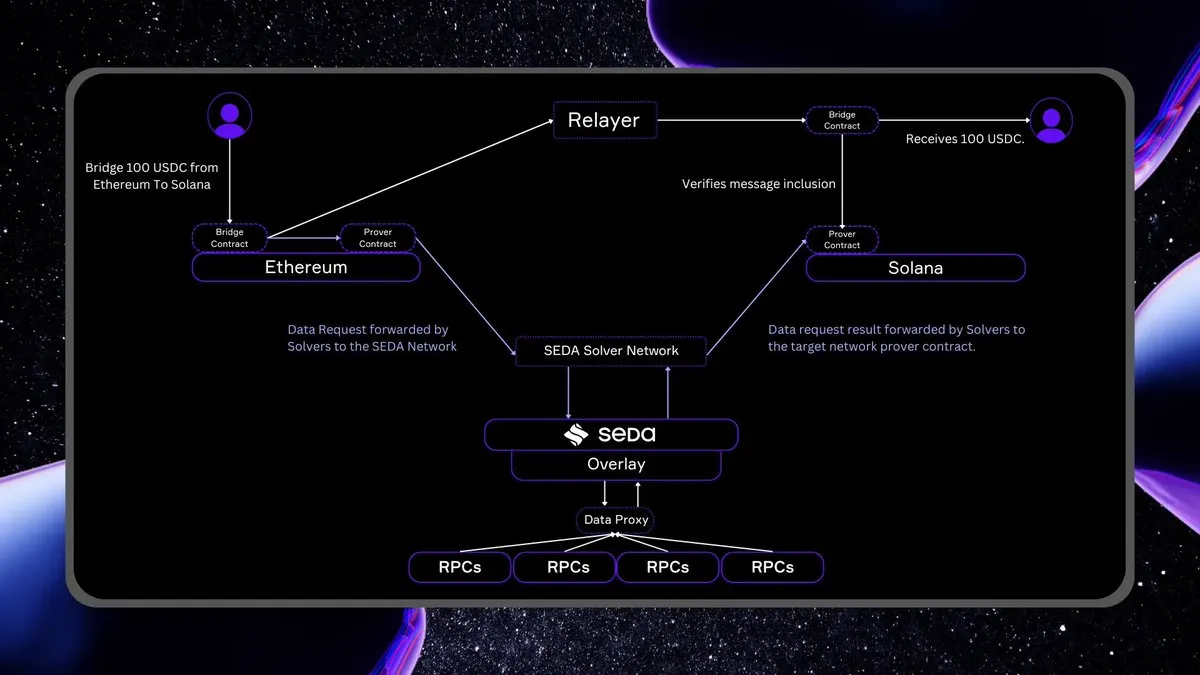
Chain abstraction routers are the backbone, abstracting signatures, gas, and sequencing into user intents. Deposit USDC on Ethereum, borrow on Unichain - no wrapping, no bridging. River's satUSD nails this: collateral on one chain mints omnichain stablecoins elsewhere, tapping native yields. Synthr's zero-slippage swaps layer on top, sourcing liquidity omnichain-wide via atomic execution.
Core Omnichain Liquidity Advantages
- Unified depth slashes slippage: Aggregates liquidity across chains for deeper pools, as in Synthr's zero-slippage swaps and Owlto Finance's omni-chain solution.
- Cross-chain incentives boost yields 2x: Unified rewards via protocols like PrimeFi, enabling omnichain deposits with shared incentives across Arbitrum and BNB Chain.
- Intent solvers cut UX friction: Chain abstraction like River's satUSD and Owlto's intent-driven trading eliminate bridges and wrapping.
- L2/L3 composability unlocks DeFi primitives: Seamless integration as in Symbiosis with Unichain L2, enabling new cross-chain yield and leverage primitives.
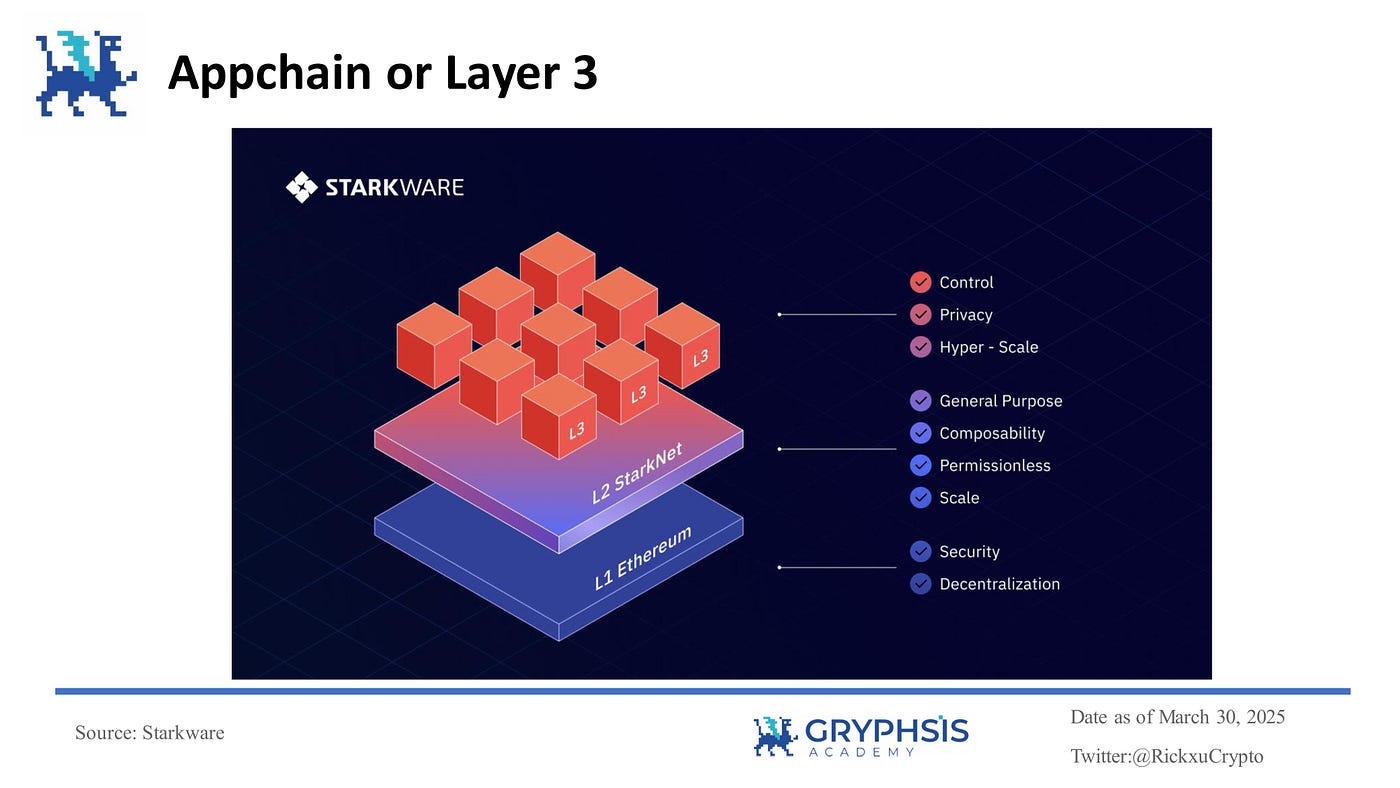
Technically, it's intents protocols like Anoma or Across executing user goals via bundlers. PrimeFi's LayerZero build settles omnichain lending on Arbitrum/BNB, with incentives aligned via veTokenomics. Owlto adds AI for predictive routing, ensuring omnichain liquidity pools dynamically rebalance. My take: this is prop-trading gold - volatility waves across chains, precision entries via abstracted routers.
Omnichain Incentives: Aligning Protocols for Cross-Chain Dominance
Cross-chain incentives are the rocket fuel. Protocols bribe liquidity providers with emissions that flow omnichain, not chain-locked. Symbiosis deploys points across 40 networks post-Unichain, pulling TVL magnets. Dojima's framework bridges even Web2/AI, but crypto-first wins like Synthr show capital efficiency: one pool, multi-chain depth, zero bridge risk.
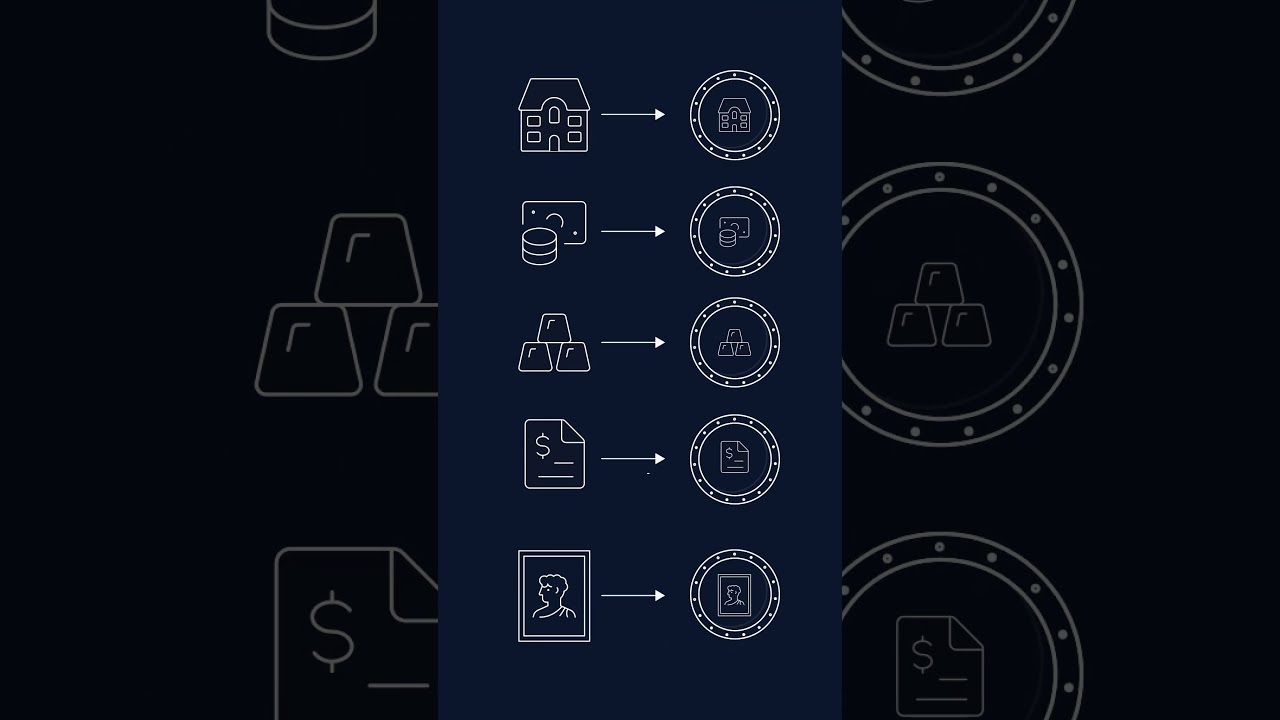
Governance enters via chain abstraction: DAOs vote on incentive splits, solvers bid on fills. Evergon Labs tokenization unifies RWA liquidity, enhancing security through shared validation. Data point: post-PrimeFi mainnet, cross-chain borrows jumped 300%, per Dune dashboards. Bold call - L2 L3 pools with omnichain incentives will capture 50% DeFi TVL by EOY, crushing isolated AMMs.




No comments yet. Be the first to share your thoughts!