Why omnichain UX design matters now
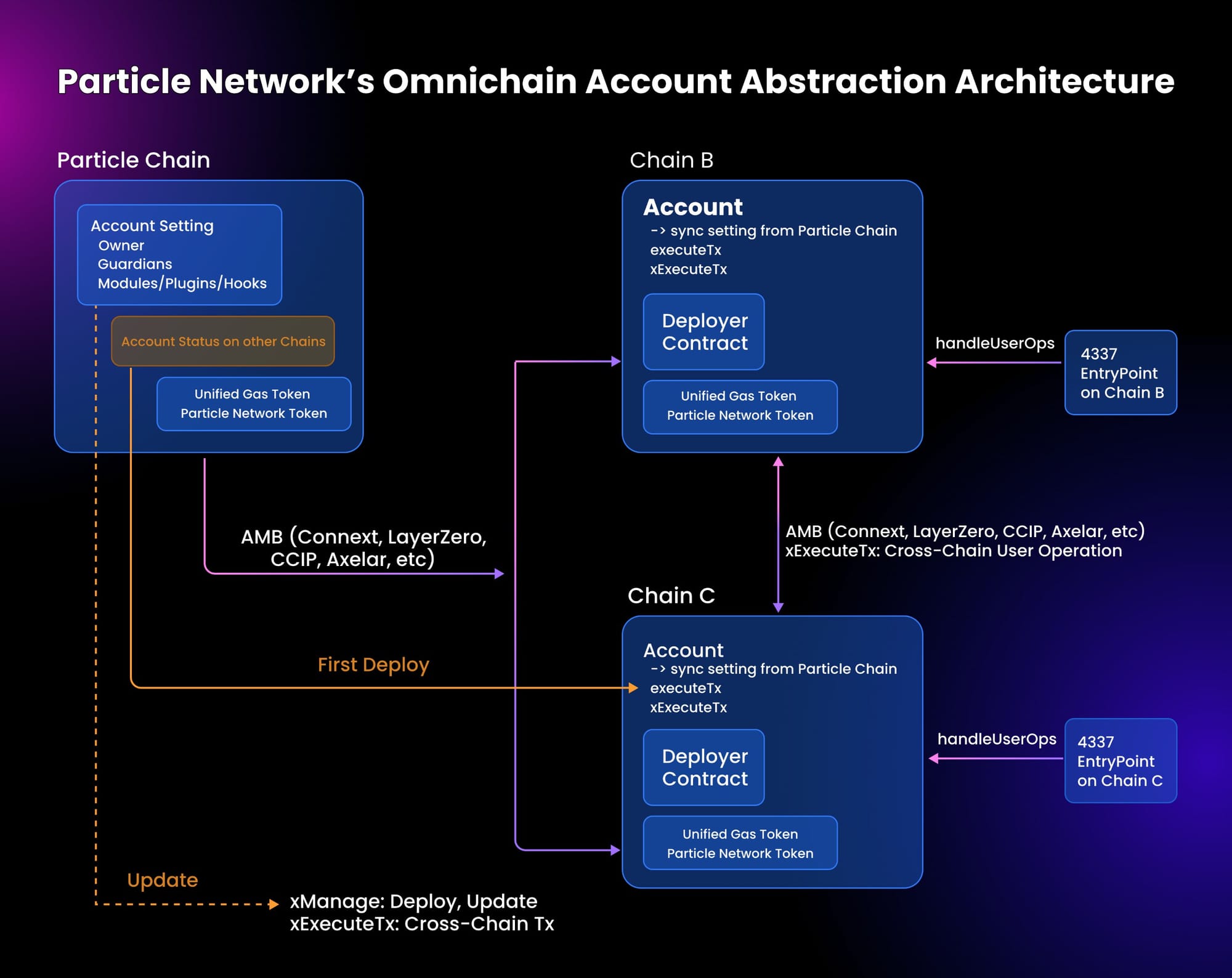
Blockchain users currently face a fragmented experience. Interacting with Layer 2 or Layer 3 networks often requires manual bridging, multiple wallet approvals, and complex gas fee management. This friction creates high abandonment rates, as users struggle with the underlying infrastructure rather than engaging with the application itself. Omnichain UX design tools address this by abstracting the complexity of cross-chain interactions, allowing users to move assets and data without understanding the technical mechanics.
The shift toward unified cross-chain interactions is driven by the need for gasless and seamless transactions. As demonstrated by integrations like LayerZero and LightLink, modern frameworks enable applications to handle the heavy lifting of cross-chain communication in the background. This approach transforms the user journey from a series of technical hurdles into a single, cohesive flow, making decentralized applications viable for mainstream adoption.
For developers and product teams, selecting the right omnichain UX design tools is essential to building competitive Web3 products. These tools provide the necessary infrastructure to manage liquidity, optimize transaction routing, and ensure consistent user experiences across multiple chains. By focusing on concrete products that simplify these processes, teams can deliver applications that feel as intuitive as traditional web services.
Top omnichain UX design platforms
The best omnichain UX design platforms focus on unifying fragmented blockchain experiences into a single, coherent interface. These tools help designers and developers manage cross-chain interactions, multi-wallet connections, and transaction flows without forcing users to navigate complex technical barriers. By abstracting the underlying complexity of different networks, these platforms enable applications to function smoothly across chains like Ethereum, Solana, and Layer 2 solutions.
Effective omnichain design requires more than just connecting wallets; it demands a unified state management system that tracks user assets and permissions across multiple ledgers. The following platforms provide the infrastructure and design patterns necessary to build these complex, multi-chain user experiences.
LayerZero Scan and OApp Patterns
LayerZero offers a comprehensive suite of design patterns and tools for building Omnichain Applications (OApps). Their documentation provides clear architectural guidance for coordinating contract logic across different chains, ensuring that cross-chain transactions are secure and reliable. The LayerZero Scan serves as a critical UX component, allowing users to track the status of their transactions across multiple networks in real time. This transparency is essential for building trust in cross-chain applications, where users often feel disconnected from the process once a transaction leaves their primary chain.
Web3 Wallet Integration Frameworks
Platforms that specialize in Web3 wallet integration provide the foundational UX components for omnichain applications. These frameworks handle the complex logic of detecting connected wallets, managing chain switching, and signing transactions across different networks. By standardizing these interactions, designers can focus on the core application experience rather than the intricacies of each blockchain's API. Key features include unified asset dashboards, gasless transaction options, and automatic chain detection that adapts to the user's current location.
Cross-Chain Data Visualization Tools
Visualizing data across multiple chains is a significant challenge in omnichain UX. Specialized design tools help developers create unified dashboards that aggregate data from various blockchains into a single, readable format. These tools often include pre-built components for displaying token balances, transaction histories, and network status across different ecosystems. By providing consistent visual language and data structures, these platforms ensure that users can easily understand their multi-chain activities without confusion.
As an Amazon Associate, we may earn from qualifying purchases.
Cross-chain UX feature comparison
Choosing the right omnichain tool depends on how it handles the three pillars of user experience: transaction costs, speed, and network support. The table below breaks down how leading platforms manage gas abstraction, transaction finality, and the breadth of chains they support. This comparison focuses on concrete capabilities that directly impact the end-user’s journey.
| Feature | LayerZero | Wormhole | Chainlink CCIP | Hyperlane |
|---|---|---|---|---|
| Gas Abstraction | Partial (via UI integration) | Limited | Native (via Paymasters) | Developer-dependent |
| Transaction Speed | Fast (sub-second finality) | Variable (bridge dependent) | Fast (finality varies) | Fast (sub-second) |
| Chain Support | 50+ chains | 60+ chains | 40+ chains | 50+ chains |
| Developer Ease | High (OApp standard) | Medium | Medium-High | High (modular) |
Gas abstraction is often the biggest friction point in cross-chain interactions. LayerZero and Hyperlane offer flexible patterns where developers can integrate gasless transactions, but this requires upfront setup. Chainlink CCIP takes a more native approach by integrating directly with payment smart contracts, allowing users to pay gas in any token on the destination chain. This reduces the cognitive load for users who no longer need to hold native tokens for every network they interact with.
Transaction speed varies based on the underlying bridge infrastructure. LayerZero and Hyperlane are designed for sub-second finality, making them feel instant to the user. Wormhole’s speed can fluctuate depending on the specific bridge and security thresholds selected. For most consumer-facing applications, sub-second finality is critical to maintaining engagement, as delays greater than two seconds significantly increase drop-off rates.
Chain support determines the reach of your application. LayerZero, Wormhole, and Hyperlane all support 50 or more chains, covering the vast majority of active liquidity. Chainlink CCIP supports a slightly smaller but highly curated list of 40+ chains, focusing on security and compliance. If your target audience uses niche L2s or alternative L1s, Hyperlane’s modular architecture may offer the most flexible integration path.


As an Amazon Associate, we may earn from qualifying purchases.
Designing for multi-chain wallet UX
Building a wallet that feels native across multiple chains requires more than just listing addresses; it demands a unified interface that hides the underlying fragmentation. The best omnichain UX tools prioritize abstraction, allowing users to interact with assets without constantly switching networks or managing gas tokens on each chain. This approach reduces cognitive load and makes the complexity of multi-chain infrastructure invisible to the end user.
Effective design patterns include aggregating balances from different chains into a single dashboard view and offering automatic network switching for transactions. When users can see their total net worth regardless of where the assets live, they are less likely to abandon the platform due to confusion. Tools that support this level of abstraction often feature built-in cross-chain bridges or aggregated liquidity pools, ensuring that the user experience remains fluid even when the underlying technology is distributed.
The relationship between blockchain mechanics and user interface design is critical. As experts in the field note, the friction of traditional blockchain interactions—such as manual gas management and network selection—is a primary barrier to adoption. By treating the multi-chain environment as a single, cohesive layer rather than a collection of isolated silos, designers can create wallets that feel intuitive and reliable. This perspective shifts the focus from technical connectivity to user comfort, ensuring that the tool serves the human, not the protocol.
Frequently asked questions about omnichain UX
What is the hardest part of omnichain UX design? The biggest challenge is managing state consistency across different blockchains. Users expect a single action to work instantly, but cross-chain bridges often have varying confirmation times. Tools like LayerZero Scan help designers visualize these delays so they can build interfaces that communicate progress clearly rather than leaving users guessing.
How do I design for gasless transactions? Gasless transactions require abstracting the complexity of network fees from the user. In your design, hide the technical details of token swaps or fee payments. Instead, show a single, clear price or "free" label. This reduces cognitive load and makes the experience feel more like a traditional web application.
What tools help test cross-chain flows? You need simulation environments that mimic multiple chains simultaneously. Look for design systems that include mock data for Ethereum, Solana, and other major networks. This allows you to test edge cases, such as failed bridge transactions or network congestion, without risking real assets during the design phase.
No comments yet. Be the first to share your thoughts!