
Defining omnichain UX design
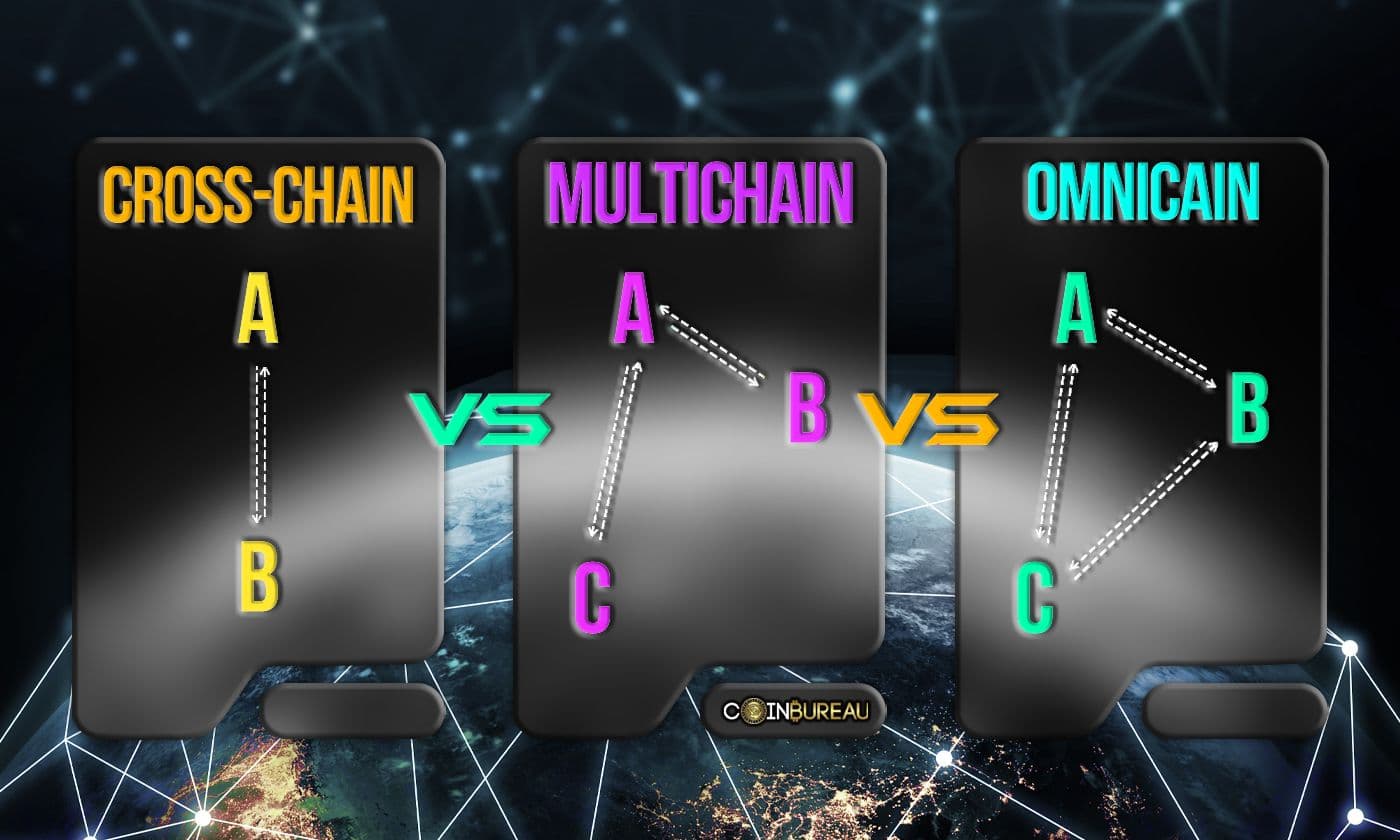
Omnichain refers to a blockchain infrastructure that leverages chain abstraction to facilitate seamless interaction, data transfer, and transaction settlement across multiple blockchains. This approach represents a fundamental shift away from the legacy model of cross-chain bridging, where users must manually wrap tokens, approve multiple transactions, and navigate complex bridge interfaces to move assets between isolated networks.
Legacy bridging treats each blockchain as a separate silo, forcing users to act as their own custodians and navigators. In contrast, modern chain abstraction creates a unified logic layer that hides the underlying complexity. The user interacts with a single interface, while the infrastructure handles the routing, settlement, and gas payment across the relevant chains in the background. This transforms the experience from a technical hurdle into a fluid interaction, similar to sending an email without worrying about the underlying network protocols.
The distinction matters because adoption has historically stalled due to poor user experience. By removing the friction of token wrapping and bridge selection, omnichain design allows applications to focus on utility rather than infrastructure navigation. This shift is critical for moving blockchain technology from a niche technical interest to a mainstream consumer tool, where the underlying chain becomes irrelevant to the end user.
Market impact of unified liquidity
The shift from fragmented bridges to omnichain abstraction is reshaping capital efficiency for traders. In the current multi-chain landscape, liquidity is trapped in silos. An asset on Arbitrum cannot easily interact with a market on Optimism without costly, slow bridge transactions. This fragmentation forces traders to hold excess capital across multiple chains to mitigate execution risk, creating inefficiencies that drain yield and increase exposure to bridge-related smart contract vulnerabilities.
Unified liquidity removes these barriers. By treating assets as native across chains, omnichain protocols allow traders to access deep order books regardless of their entry point. This consolidation significantly reduces slippage. When liquidity is pooled rather than split, large trades can be executed with minimal price impact. For high-frequency traders and institutions, this means tighter spreads and more predictable execution costs, turning what was once a complex routing problem into a simple, single-click transaction.
The financial implication is a net reduction in transaction friction. Traders no longer need to manage multiple wallets or worry about bridge solvency. Capital becomes mobile, flowing to where the best prices exist without the overhead of cross-chain messaging delays. This efficiency is particularly critical for volatile assets, where every second of delay can mean significant price movement. By abstracting the underlying chain infrastructure, omnichain UX ensures that the user experience matches the speed and simplicity of centralized exchanges, while retaining the non-custodial benefits of DeFi.
This transition also impacts how value is captured. As liquidity concentrates, the volume for specific omnichain tokens tends to increase, providing better depth for market makers and traders alike. The chart above illustrates the volume dynamics for major assets in this evolving landscape, highlighting how cross-chain activity correlates with broader market trends. The move away from bridges is not just a UX improvement; it is a fundamental upgrade to market structure, making decentralized finance more robust and accessible.
Core protocols enabling abstraction
Omnichain UX design relies on infrastructure that abstracts the underlying chain complexity. Instead of forcing users to manage wrapped tokens or navigate complex bridge interfaces, these protocols handle cross-chain messaging and settlement in the background. Two leading approaches have emerged: LayerZero’s omnichain interoperability protocol and ZetaChain’s parallel smart contract platform.
Both systems aim to unify the fragmented blockchain landscape, but they achieve this through different technical mechanisms. LayerZero focuses on lightweight messaging between existing chains, while ZetaChain introduces a dedicated execution layer for multichain logic. Understanding these differences is essential for developers building the next generation of omnichain applications.

Technical comparison
The choice between these protocols often comes down to developer experience and gas abstraction capabilities. LayerZero provides a flexible endpoint for developers to define their own security models, while ZetaChain offers a unified environment where smart contracts can natively interact with multiple chains without external bridges.
| Feature | LayerZero | ZetaChain |
|---|---|---|
| Gas Abstraction | Partial (via partners) | Native |
| Supported Chains | 50+ EVM & Non-EVM | EVM & Bitcoin |
| Developer Complexity | Low (Endpoint-based) | Medium (Parallel Chain) |
| Security Model | Oracle + Relayer | Rolling Epoch Signatures |
Designing for native asset transfers
Omnichain UX design shifts the user's focus from the mechanics of moving funds to the utility of the application itself. In a fragmented blockchain landscape, users previously had to manually select networks, bridge assets, and manage multiple gas tokens. Native asset transfers abstract this complexity. The user interacts with a single interface, and the infrastructure handles the cross-chain routing in the background. This abstraction is the primary driver for mainstream adoption, removing the friction that has historically stalled Web3 growth.
Unified Wallet Interfaces
A unified wallet interface serves as the single point of truth for the user, regardless of which chains hold their assets. Instead of switching between MetaMask, Phantom, or mobile wallets to interact with different ecosystems, omnichain applications present a consolidated view. The wallet provider manages the underlying connections, allowing the application to request signatures for transactions that span multiple networks without exposing the user to the complexity of cross-chain messaging protocols.
This approach requires wallet providers to implement standardized APIs that can interpret intent across different blockchain architectures. For example, a user might approve a transaction to swap USDC on Ethereum for SOL on Solana. The wallet displays the final outcome and the associated fees, but hides the intermediate steps of bridging and wrapping. This transparency builds trust while maintaining a clean, uncluttered experience.
Gasless Transactions
Gasless transactions are perhaps the most impactful feature for reducing user anxiety. In traditional Web3, users must hold the native token of every chain they wish to interact with to pay for transaction fees. This creates a fragmented liquidity problem where users are constantly managing small balances across dozens of networks.
Omnichain applications solve this by allowing users to pay gas fees with any asset, often the same token they are using for the transaction. The application or a relayer subsidizes the gas cost on the destination chain, abstracting the payment layer entirely. This pattern is familiar to users from centralized exchanges and traditional fintech apps, where the platform handles all backend settlement costs. By removing the need to acquire and manage multiple gas tokens, the barrier to entry for new users drops significantly.
Predictable Fee Structures
Beyond gas abstraction, predictable fee structures are essential for building user confidence. Cross-chain transactions inherently carry higher risks and costs due to the complexity of verification across different consensus mechanisms. Omnichain UX design must communicate these costs clearly and upfront. Users should see the total cost of the transaction, including any bridge fees or slippage, before they confirm the action.
This clarity prevents unexpected losses and reduces support tickets related to failed transactions. It also allows users to make informed decisions about whether the utility of the cross-chain action justifies the cost. By presenting fees in a familiar currency or as a simple percentage, designers can make complex cross-chain economics understandable to non-technical users.
No comments yet. Be the first to share your thoughts!