Defining omnichain UX for 2026
Omnichain UX represents a fundamental shift from the fragmented, multi-wallet reality of previous years to a unified interface where the underlying blockchain becomes invisible to the user. In 2026, the goal is not merely to move assets between networks, but to abstract the complexity of chain selection, bridging, and gas fees entirely from the interaction flow.
Legacy multichain approaches required users to manually bridge assets, switch networks, and manage separate gas tokens for each chain. Omnichain infrastructure reverses this dynamic by allowing applications to operate across multiple ledgers simultaneously while presenting a single, consistent experience. The user interacts with one interface, and the backend handles the routing, settlement, and liquidity aggregation across disparate networks.
Key distinction: Omnichain abstracts the underlying chain logic from the user, whereas multichain requires explicit bridging actions.
This abstraction is the new standard for user experience. By hiding the technical friction of cross-chain communication, omnichain systems enable seamless interaction, data transfer, and transaction settlement without forcing the user to understand the mechanics of interoperability protocols. The focus moves from managing infrastructure to utilizing the application's core value proposition.
| Feature | Multichain | Omnichain |
|---|---|---|
| User Action | Manual bridging & network switching | Single interface, automatic routing |
| Gas Fees | Paid per chain separately | Abstracted or unified payment |
| Architecture | Siloed chains with bridges | Unified logic layer |
How chain abstraction reshapes user flows
Chain abstraction removes the friction of managing multiple wallets, gas tokens, and bridge approvals. Instead of treating each blockchain as a separate silo, omnichain UX treats the entire ecosystem as a single, unified network. The user interacts with one interface, while the underlying infrastructure handles the complex routing of assets and data across different ledgers.
This shift relies on asynchronous messaging and mesh networks. In a traditional cross-chain setup, a user might need to lock assets on Chain A, wait for a confirmation, and then claim them on Chain B. Omnichain protocols decouple these steps. The message is sent and verified in the background, allowing the receiving chain to execute the transaction immediately. This creates a seamless experience where the user never sees the intermediate steps or waits for finality across multiple networks.
The result is an "omnichain mesh" where every application’s smart contract forms part of a single, fully interconnected system. Developers can deploy contracts on any chain, and the protocol ensures they communicate fluidly. For the user, this means they can interact with an application on Ethereum, Solana, or any other supported chain without knowing which specific network is processing their request. The complexity is hidden, leaving only the utility.
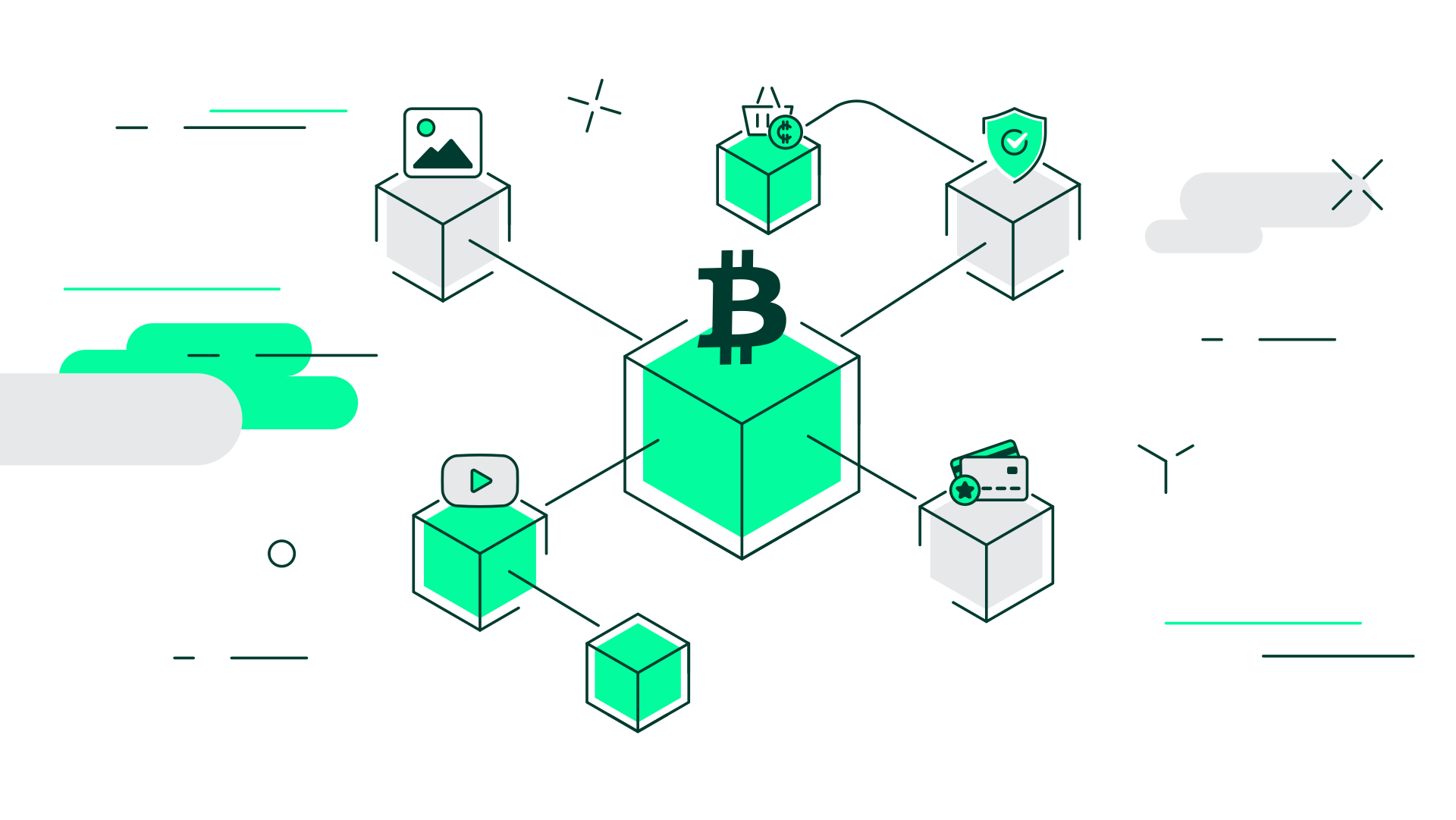
Visualizing the underlying asset flow
To understand how this abstraction works in practice, it helps to look at the asset flow itself. While the user sees a single transaction, the backend involves verifying signatures and routing messages across a decentralized network of relayers and oracles.
This flow is critical for maintaining security without compromising speed. By using a mesh network, the system avoids the single points of failure associated with traditional bridges. Each node in the network contributes to the verification process, ensuring that assets move securely between chains. This infrastructure allows for gasless transactions and instant settlements, making blockchain interactions feel as simple as sending an email.
Market context for omnichain adoption
The success of chain abstraction depends on the health and liquidity of the underlying assets. As more users adopt omnichain applications, the demand for seamless cross-chain interactions will grow. This trend is reflected in the broader market dynamics of the assets being moved.
Omnichain vs multichain design patterns
The core tension in cross-chain development is whether to treat blockchains as separate silos or as a single unified network. Multichain architecture treats each chain as an independent entity, requiring users to explicitly manage assets across different networks. Omnichain design abstracts this complexity, allowing applications to interact with any chain through a single interface.
Multichain systems function on different networks while cross-chain is focused on bridging between chains. Omnichain is created from the ground up for fluid interaction across all blockchains simultaneously. This distinction defines the user experience: one requires manual navigation, the other offers seamless abstraction.
| Feature | Multichain UX | Omnichain UX | Dev Complexity |
|---|---|---|---|
| Asset Movement | Explicit bridging required | Native abstraction | Low |
| Gas Fees | Paid in native chain token | Unified or sponsored | High |
| User Steps | 3-5 clicks per transaction | 1 click (seamless) | High |
| Security Model | Relies on bridge contracts | Relies on consensus layer | Medium |
| Development | Chain-specific integrations | Universal interface (e.g., LayerZero OApps) | High |
Multichain design is easier to implement because it leverages existing infrastructure. Developers build for one chain, then add bridges to others. This creates a fragmented experience where users must understand which chain they are on, hold the correct native token for gas, and wait for bridge confirmations. It is a practical approach for early-stage projects that need to launch quickly.
Omnichain design requires building on a universal messaging protocol like LayerZero. Omnichain Applications (OApps) use this universal interface to implement crosschain coordination through asynchronous messaging patterns. This approach unifies all chains under one logic layer, enabling seamless UX and native cross-chain operations. However, it is complex to build and may introduce new attack vectors in the consensus layer. The trade-off is significant: higher initial development cost for a frictionless user journey.
Implementing unified cross-chain interfaces
Building a unified cross-chain interface means treating the underlying network as an invisible utility rather than a user-facing hurdle. Omnichain applications (OApps) must abstract away the complexity of asset routing, allowing users to interact with a single contract while the protocol handles the asynchronous messaging between chains. This approach shifts the focus from bridging mechanics to consistent application logic.
Consistency is the foundation of trust in this architecture. Users expect the same asset labels, balance updates, and transaction statuses regardless of which chain they are currently on. When an OApp fails to synchronize state across different networks, it creates a fragmented experience that erodes confidence. Designers should prioritize a single source of truth for user data, ensuring that a transfer initiated on Ethereum appears identically on Arbitrum or Optimism.
Error handling requires a different mindset than traditional web2 applications. Cross-chain transactions are subject to variable latency and potential message delivery failures. Interfaces must clearly communicate the status of these asynchronous operations without overwhelming the user with technical jargon. Providing clear, real-time feedback on whether a message is pending, confirmed, or failed helps manage user expectations and reduces support load.
Before launching, verify that your interface handles these edge cases gracefully. Use the following checklist to ensure your omnichain UX is robust:
-
Verify gas abstraction works across all target chains
-
Test cross-chain failure states and error messages
-
Ensure consistent asset labeling and balance updates
For a deeper look at how these interfaces can be structured, review the LayerZero Scan explorer, which demonstrates a clean approach to visualizing omnichain activity across multiple networks.
Common questions about cross-chain UX
Understanding the terminology behind omnichain applications helps clarify why this architecture matters for everyday trading. Below are answers to the most frequent questions about how these systems work and what they mean for users.
No comments yet. Be the first to share your thoughts!