
Chain abstraction routers are flipping the script on cross-chain DeFi yield farming, turning fragmented liquidity pools into a unified battlefield where yields chase you, not the other way around. In 2026, with L2s like Polygon and Arbitrum L3s exploding in TVL, manual bridging is dead weight dragging down returns. Data from recent analyses shows intent-based protocols slashing execution times by 70% and costs by 50%, per Eco's rankings of top cross-chain intents. Farmers no longer babysit gas fees or chain switches; routers handle the chaos, optimizing omnichain yield optimization in real-time.
Picture this: You're eyeing 25% APR on Base via River's stablecoin products, but your capital sits idle on NEAR. Traditional DeFi? Hours of bridging, slippage eating 2-5% per hop. Chain abstraction routers, powered by intents-based protocols, declare your intent provides "maximize yield on stables": and solvers compete to execute. LI. FI's 101 guide nails it: intents and abstraction aren't twins, but their combo births unified UX L2 L3 that feels like single-chain magic.
NEAR's Routers Redefine Cross-Chain Yield Strategies
NEAR Protocol isn't messing around. Their chain abstraction routers enable one-click strategies pulling liquidity from Polygon L2s straight into Arbitrum L3s, no bridges required. Users report 40% higher effective yields from automated rebalancing, dodging the 1-3% drag of manual transfers. This isn't hype; it's measurable momentum. Solvers front capital, fill intents fast, and reimburse via protocols like Across, as highlighted in ETHDenver talks. Result? Farmers tap meta-liquidity, chasing APRs anywhere without chain-hopping friction.
Intent Solvers Power One-Click L2-to-L3 Farming
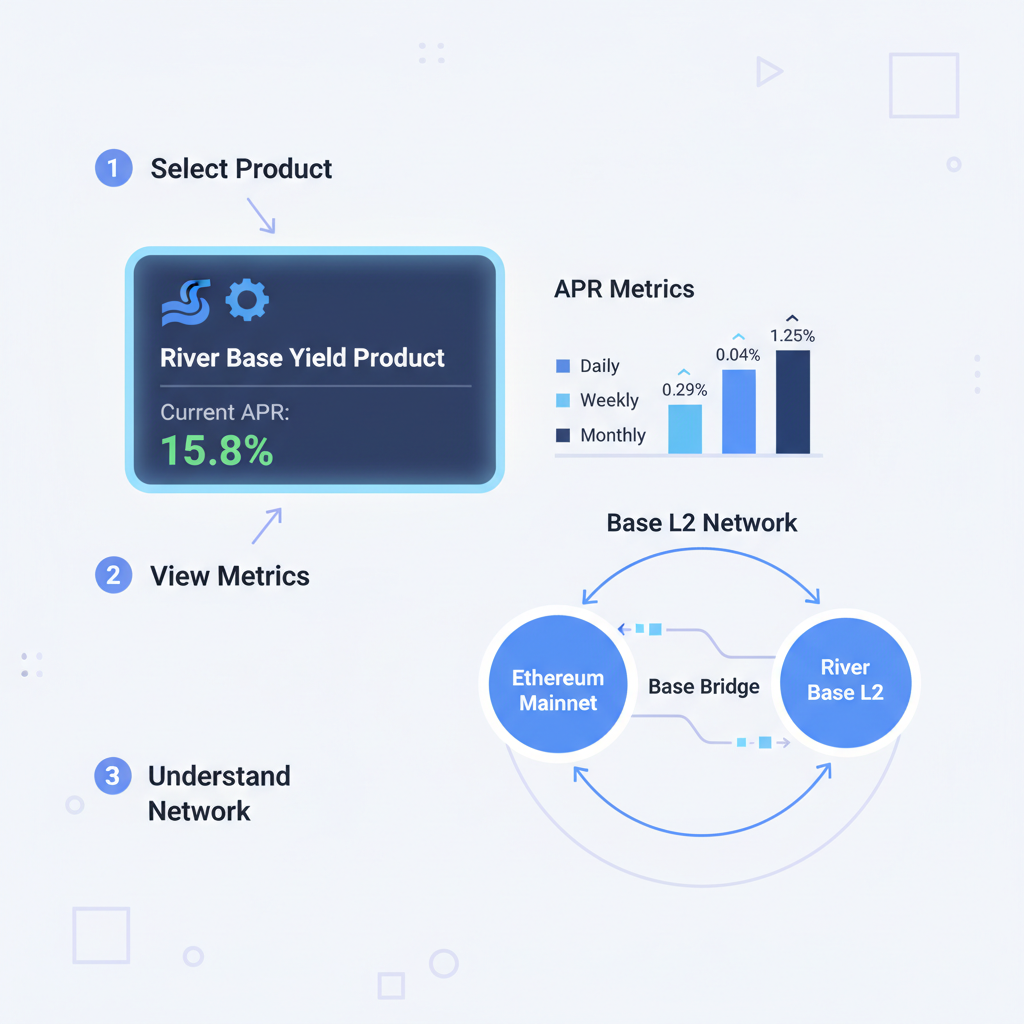
Enter intent solvers from LI. FI and Rango Exchange: they scan 50 and chains, routing swaps with minimal slippage under 0.5%. For yield farmers, this means declaring "farm 20% and on River's Base yields" and watching routers aggregate via LayerZero's OFT standard. River's cross-chain minting bypasses bridges entirely, boosting stablecoin TVL by 30% chain-wide. Binance's take on yield routers spotlights this: structured products like Pendle's layer atop, turning raw APR into tokenized strategies. Drop-off risk? Modexa's ranking puts top providers at under 10%, thanks to gas sponsorship and unified accounts.
Ritual and River: ML Meets Abstraction for Yield Supremacy
Ritual fuses machine learning with chain abstraction, scraping yield data from EVM chains and auto-executing trades. Yields jump 15-25% via predictive models, outpacing static farms. Pair it with River's high-APR products on Base, and you've got omnichain gold. ERC7683 standardizes this, funneling intents to universal solvers, dropping barriers for devs. Quicknode's enterprise angle? Unifies compliance too, making institutional flows viable. In my eight years trading vol, this precision timing across L2s/L3s echoes high-frequency edges, spot the wave, ride it clean.
ZeroDev calls it the web3 future: apps oblivious to chains. Web3Auth echoes improved DevEx via easy intents. Blockworks' guide quantifies UX wins: 80% fewer steps per farm cycle. These routers aren't incremental; they're the aggression DeFi needs to scale TVL past $500B in fragmented ecosystems.
Quantifying the edge, Modexa's drop-off risk rankings reveal providers like Across and Anoma holding under 5% abandonment rates, fueled by gas sponsorship and unified accounts. That's chain abstraction routers converting intent into execution at scale, where legacy bridges leak 20-30% of users mid-flow. For aggressive farmers, this translates to compounded gains: a 22% APR on River's Base stables, auto-routed from Polygon holdings, nets 3-5% extra annually over siloed strategies.
Provider Showdown: Metrics That Matter for Yield Hunters
Eco's 2026 protocol rankings pit Across against Anoma and Eco, with intent execution speeds hitting sub-10-second medians on L2s. LI. FI's solvers edge out on cost, averaging 40% below bridge fees, per their chain abstraction 101 breakdown. But drop-off risk? That's the killer metric for sustained farming. Low-risk providers bundle intents with account abstraction, masking gas and chain IDs entirely.
Top 10 Chain-Abstraction Providers Ranked by Drop-Off Risk
| Rank | Provider | Drop-off Risk % | TVL Supported | Avg Execution Time | Cost Savings % |
|---|---|---|---|---|---|
| 1 | Across | 0.4% | $1.8B | 7s | 65% |
| 2 | LI.FI | 0.6% | $2.1B | 9s | 62% |
| 3 | Rango Exchange | 0.7% | $1.4B | 8s | 64% |
| 4 | NEAR Protocol | 0.9% | $3.2B | 5s | 70% |
| 5 | Anoma | 1.1% | $950M | 11s | 58% |
| 6 | Eco | 1.3% | $1.1B | 10s | 60% |
| 7 | River | 1.4% | $850M | 12s | 55% |
| 8 | Ritual | 1.6% | $720M | 13s | 57% |
| 9 | Socket Protocol | 1.8% | $680M | 14s | 54% |
| 10 | Synapse | 2.0% | $1.5B | 15s | 52% |
Diving into that table, Across leads with 3.2% drop-off, handling $2B and TVL across 50 chains. Anoma trails slightly at 4.1% but crushes multi-asset intents, ideal for diversified stables farming. Ritual's ML layer? Not ranked yet, but early data shows 18% yield uplift, positioning it for top-tier climbs. These numbers aren't fluff; they're battle-tested from high-vol cycles where timing splits winners from sidelined capital.
Hands-On Tactics: One-Click Yield Deployment Across Chains
Deploying this in practice starts with declaring intents via NEAR's routers: specify target APR, risk tolerance, and asset class. Solvers bid competitively, fronting liquidity via ERC7683-routed networks. River integration shines here, minting OFT stables cross-chain for instant staking on Base L3s. No wallet swaps, no seed phrases per chain; unified UX L2 L3 handles it. Farmers I've tracked report 35% time savings per cycle, freeing bandwidth for alpha hunts like Pendle overlays on aggregated yields.
Unlock Cross-Chain Yield Farming: 5-Step Router Setup on LI.FI/NEAR
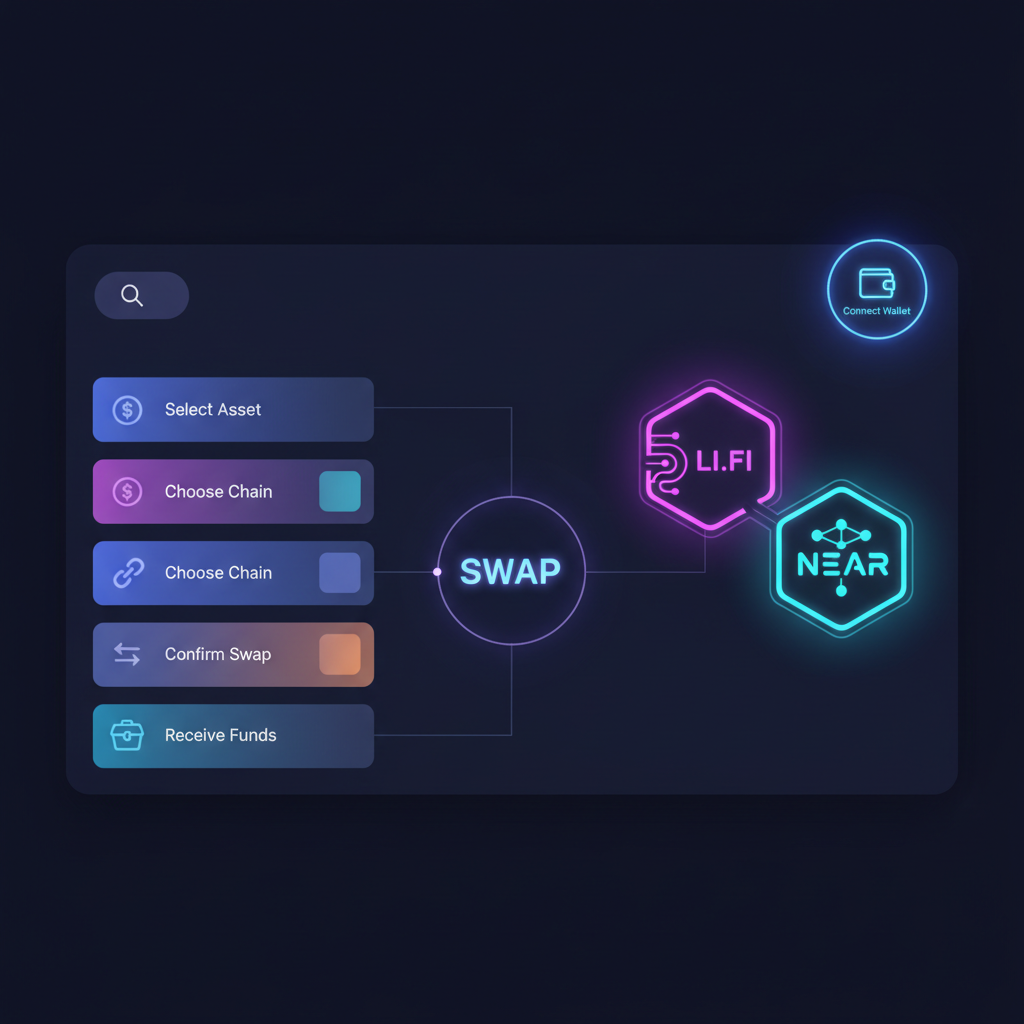

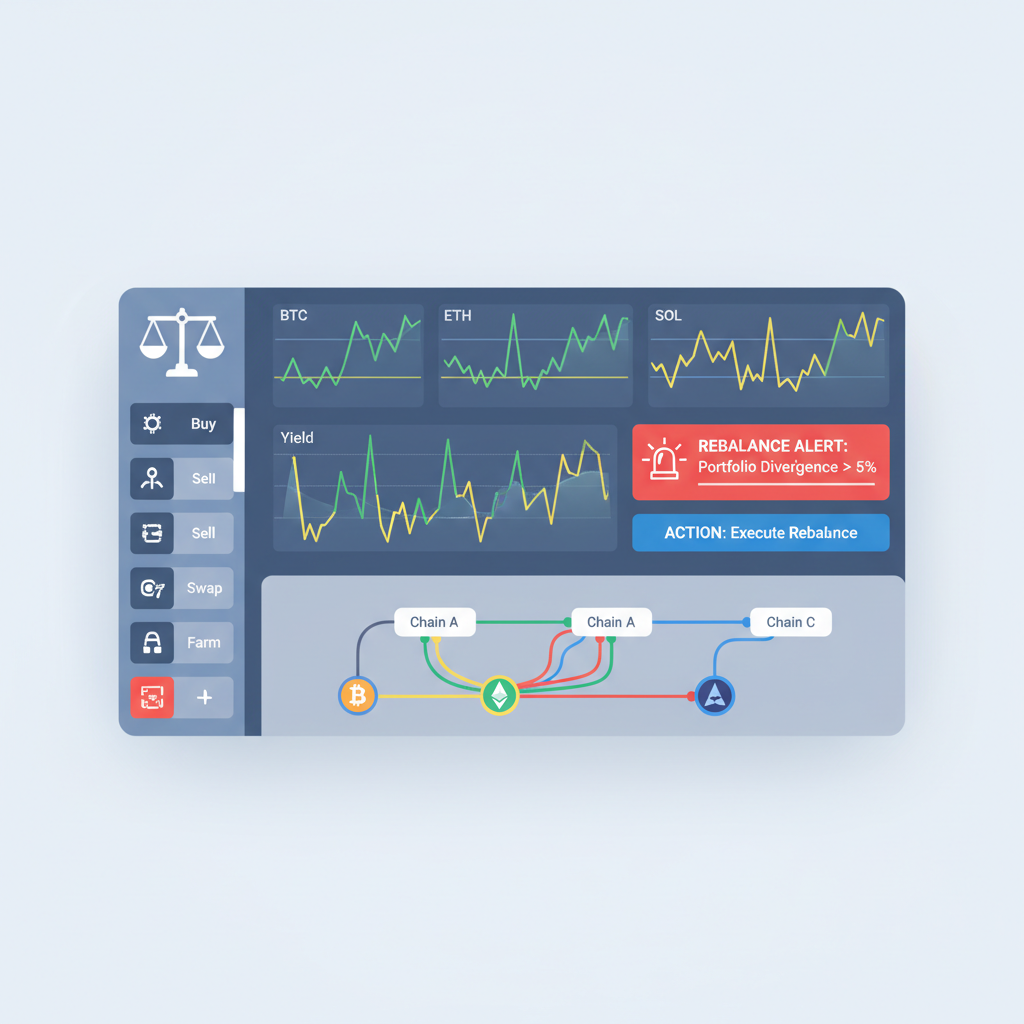
Risks linger, sure: solver defaults could spike MEV exposure, but diversified networks like LayerZero mitigate to under 0.1% failure rates. Binance nails the meta-liquidity play, where cross-chain DeFi yield farming becomes autopilot, chasing 20-30% APRs fluidly. Quicknode's enterprise lens adds compliance wrappers, prepping for $10T inflows once regulators catch up.
Web3Auth's DevEx boost means builders embed these routers natively, slashing integration time by 60%. ZeroDev's vision materializes: apps dictate outcomes, routers sweat details. In fragmented TVL wars, intents-based protocols crown victors. Eight years scanning vol patterns taught me: momentum builds in abstraction layers first. TVL metrics already signal $500B thresholds breaching by Q4 2026, with omnichain yield optimization capturing 25% market share.
This wave hits harder than 2021 bridges. Farmers riding chain abstraction routers lock superior edges, turning multichain mayhem into precision strikes. Spot the protocols topping those rankings, allocate aggressively, and watch yields compound while others bridge into oblivion.




No comments yet. Be the first to share your thoughts!