Why omnichain UX 2026 matters now
The blockchain landscape is fractured. Users currently face a fragmented experience where moving assets or interacting with applications requires navigating distinct chains, managing multiple wallets, and understanding complex bridging mechanics. This friction is the primary reason most people never complete their first blockchain transaction. The industry is no longer competing on technical complexity; it is competing on intent.
By 2026, the focus has shifted from clicking through layers of complexity to simply prompting outcomes. Omnichain UX acts as the invisible infrastructure that abstracts away the underlying chain selection. Instead of asking users to choose between Ethereum, Solana, or Layer 2s, the interface handles the routing, settlement, and gas fees behind the scenes. This shift transforms blockchain from a technical hurdle into a seamless utility.
This transition is critical for mass adoption. When the technology disappears into the background, the user experience mirrors traditional web2 applications, but with the security and composability of decentralized networks. The goal is not to educate users on how blockchains work, but to let them focus on what they want to achieve.
Chain abstraction routers explained
Chain abstraction routers are the technical engines that make omnichain UX possible. They sit between the user and the underlying blockchain infrastructure, handling the complex routing, liquidity aggregation, and cross-chain messaging required to move assets and data across different networks. For the end user, this means a single transaction interface that feels native, regardless of which chain actually settles the final state.
The router acts as a centralized coordinator for a decentralized problem. When a user initiates a swap or transfer, the router determines the most efficient path. It might lock assets on Ethereum, mint a wrapped representation on an L2, or use a liquidity pool on a Layer 3 to complete the trade. This process happens in the background, abstracting away the need for the user to understand gas tokens, bridge protocols, or network compatibility.
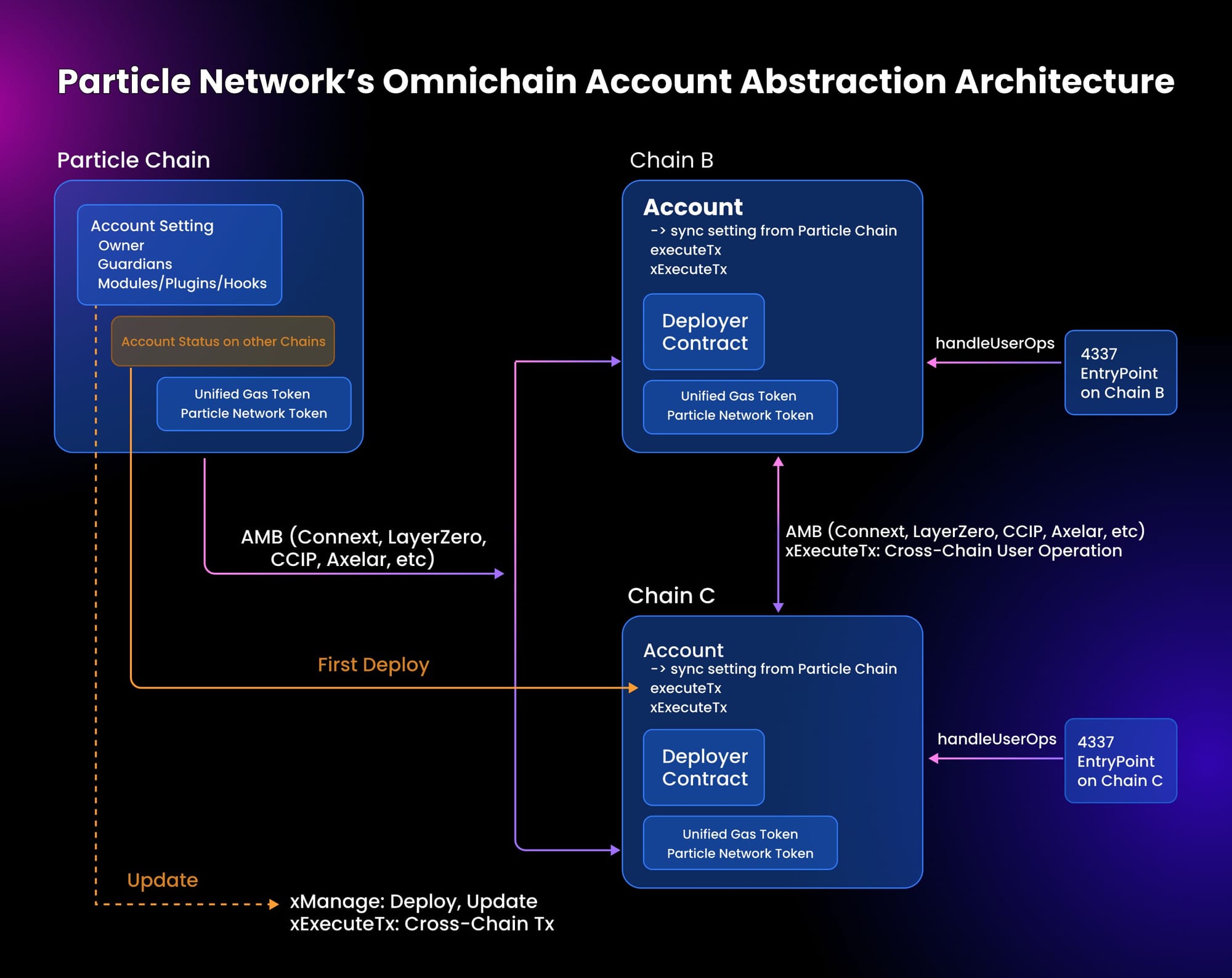
Modern routers leverage protocols like LayerZero or Stargate to facilitate these movements. These protocols provide the messaging layer that ensures state consistency across disparate chains. The router then wraps this messaging in a user-friendly API, often standardizing the experience across different wallets and dApps. This standardization is critical for mass adoption, as it removes the cognitive load of managing multiple wallets or bridging assets manually.
The result is a seamless experience where the underlying complexity is invisible. Users interact with a single contract or interface, while the router handles the intricate dance of cross-chain settlement. This shift from explicit bridging to implicit abstraction is what defines the next generation of omnichain applications.
Designing intent-centric interfaces
The friction of 2025 blockchain UX was defined by choice paralysis. Users were forced to act as system administrators, manually selecting networks, swapping tokens, and bridging assets before a transaction could even begin. In 2026, the interface paradigm shifts from menu-driven complexity to outcome-driven simplicity. This is the move toward intent-centric design, where the user states a goal and the system handles the underlying orchestration.
Instead of navigating a labyrinth of wallets and chains, the user provides a natural language prompt or a high-level command. The interface then interprets this intent, executing the necessary cross-chain swaps, gas payments, and routing logic in the background. This reduces the cognitive load from "how do I move this asset?" to "I want to buy X with Y." The user no longer needs to understand the mechanics of liquidity pools or bridge protocols; they only need to care about the result.
This shift requires a fundamental rethinking of error handling and feedback. Because the system is making autonomous decisions, the interface must provide clear, real-time visibility into what is happening without overwhelming the user with technical jargon. Transparency becomes about outcome assurance rather than process documentation. By hiding the complexity of the omnichain infrastructure, designers can finally address the primary barrier to adoption: the fear of making an irreversible mistake.
Bridge speeds and fees
Cross-chain infrastructure performance dictates the user experience. Slow settlements and unpredictable fees break the illusion of a unified network, forcing users to wait or pay premiums for basic transfers. Understanding the trade-offs between native bridges and Layer-routed solutions is essential for designing fluid omnichain journeys.
Native bridges often rely on simpler security models, resulting in longer confirmation times as they wait for validator signatures. In contrast, Layer-routed protocols optimize for speed by moving liquidity rather than assets, settling transactions between EVM chains in 30 to 90 seconds. This distinction is critical for applications requiring immediate finality, such as decentralized exchanges or real-time gaming.
Fees vary significantly based on the underlying mechanism. Native bridges typically charge gas fees for both source and destination chains, which can accumulate quickly during network congestion. Layer-routed solutions often bundle these costs, offering more predictable pricing structures, though they may introduce slippage or routing fees depending on liquidity depth.
The table below compares settlement times and estimated fees for major transfer methods, highlighting the performance gap between traditional bridging and modern routing protocols.
| Protocol | Settlement Time | Fee Structure | Best For |
|---|---|---|---|
| Native Bridges | 5-30 mins | Gas (Source + Dest) | High-value, non-urgent |
| Layer-Routed | 30-90 secs | Bundled Gas + Routing | High-frequency UX |
| Stargate | < 2 mins | Dynamic Pool Fees | Stablecoin transfers |
| Hybrid Bridges | 1-5 mins | Hybrid Gas Model | Balanced security/speed |
Common UX pitfalls in omnichain design
Omnichain UX 2026 faces significant friction points that drive users away before they understand the value. Most people never complete their first blockchain transaction, and this failure is rarely about the underlying technology. It is almost always a design failure where the interface obscures what is happening. When users cannot see or understand the flow, they abandon the journey.
Arcane terminology and jargon
Users do not need to understand "gas limits" or "sharding" to use a cross-chain bridge. Using technical blockchain jargon creates an immediate barrier to entry. Interfaces should translate these concepts into plain language, such as "network fee" or "processing time." Clarity trumps accuracy when the user is confused. If a term is necessary, provide a simple, non-intrusive tooltip that explains it in everyday terms.
Unclear transaction status
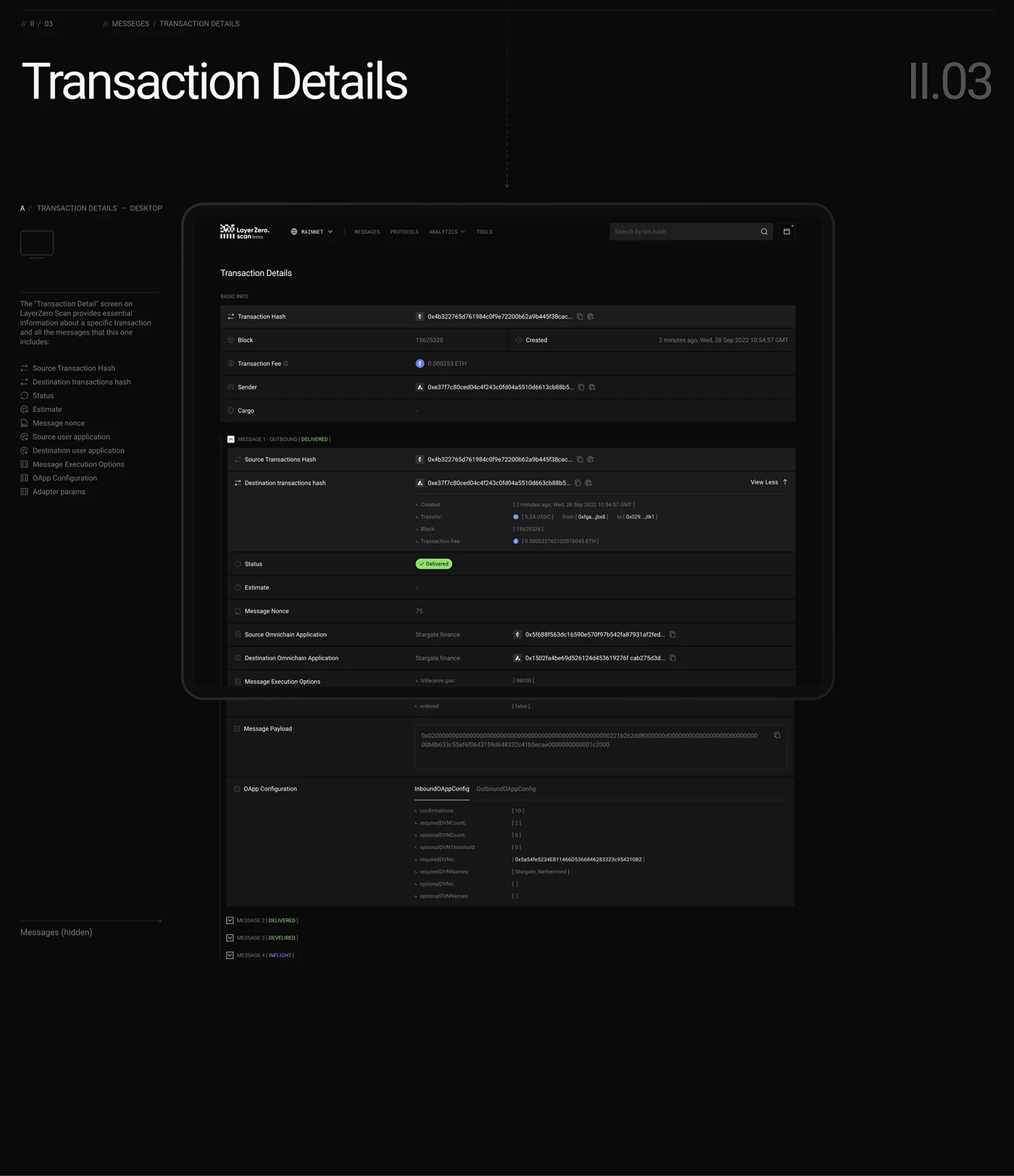
Cross-chain transactions involve multiple networks, making status updates complex. A simple "Processing" message is insufficient and causes anxiety. Users need to know exactly which step is happening: is the token leaving Chain A, waiting in the bridge, or arriving on Chain B? Provide a visual progress indicator that maps to these specific states. Transparency reduces support tickets and increases trust.
Hidden fees and slippage
Users are wary of hidden costs, especially when moving assets between chains. If the final amount received differs from the quoted amount due to slippage or network fees, the experience feels deceptive. Display all fees upfront, including the estimated arrival time and the exact amount the user will receive. Break down the costs so the user sees the bridge fee, the network gas, and the final total separately.
Poor error recovery
When a transaction fails, the interface must guide the user back to safety. A generic "Error 500" is useless. The system should explain why it failed (e.g., insufficient balance, network congestion) and offer a clear next step, such as "Retry" or "Cancel and Refund." Users need to know their assets are safe. If the funds are stuck, provide a direct link to a recovery tool or customer support.
No comments yet. Be the first to share your thoughts!