In the fragmented multichain landscape, NEAR Protocol stands out with its chain abstraction routers, delivering intents at scale for frictionless L2 cross-chain swaps. As Binance-Peg NEAR trades at $1.00, up $0.0395 or and 0.0411% over the last 24 hours with a high of $1.01 and low of $0.9366, the protocol's innovations signal a strategic pivot toward unified UX. Investors eyeing long-cycle trends recognize this as more than hype; it's a fundamental shift enabling users to express outcomes like "swap BTC for ETH at the best rate" while solvers handle the complexity across 25 and chains.
Decoding NEAR Chain Abstraction for L2 Scalability
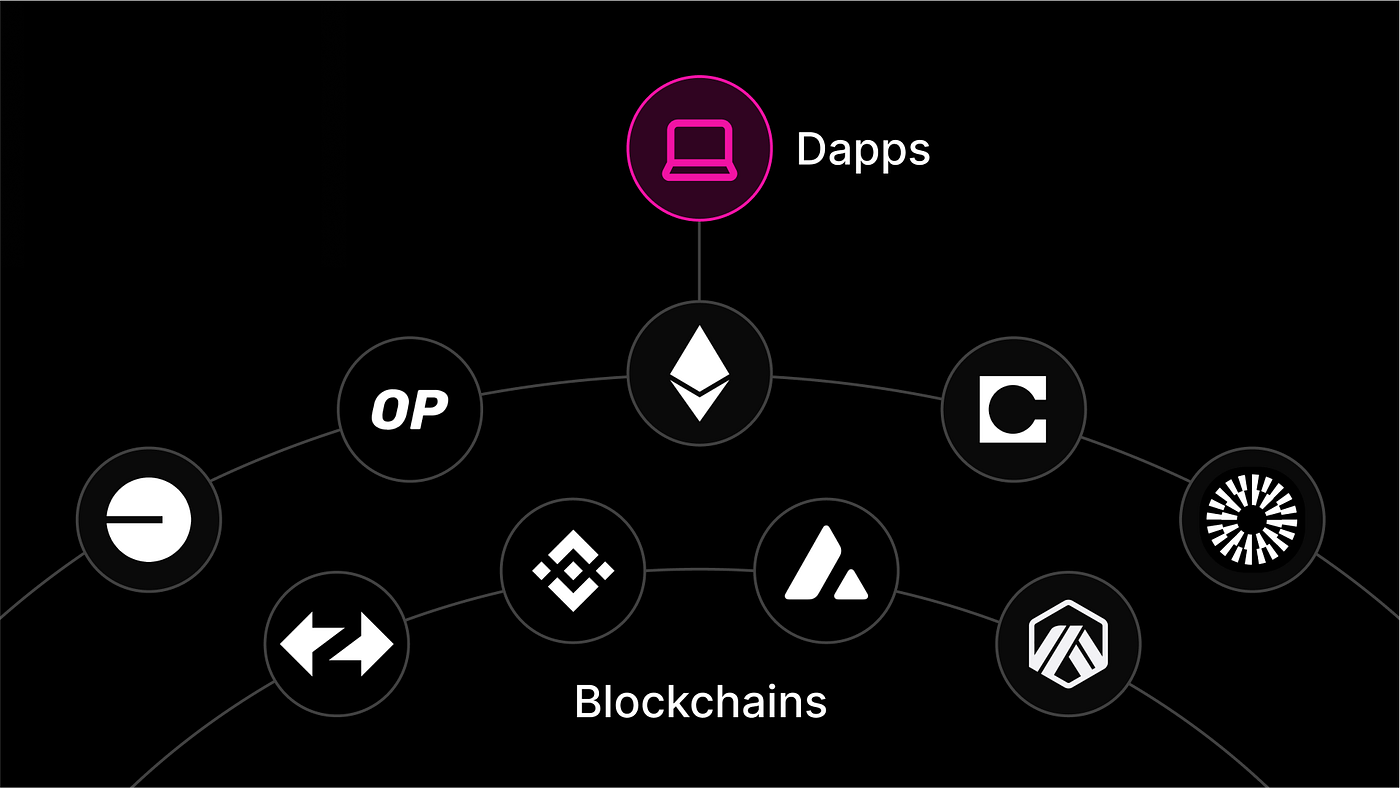
Chain abstraction routers on NEAR strip away the multichain mess, letting one account manage assets from Ethereum to Bitcoin without bridges or wallet switches. This makes Web3 feel like Web2, a point NEAR emphasizes in its documentation. Strategically, it's positioned atop sharding for scalability, processing intents that have already hit $5 billion in cross-chain volume. For DeFi users tired of gas fees and chain hopping, NEAR's approach prioritizes outcomes over mechanics, aligning with the investor's zoom-out mantra: blockchain evolution rhymes with simplified interoperability.
Intents NEAR Protocol: The Engine for Cross-Chain Execution
NEAR Intents form the core of this ecosystem, where users declare desires and AI or solvers execute autonomously. Building on chain signatures, these intents enable multichain functionality without traditional trust assumptions. Picture swapping stablecoins across Plasma's L1 or Polygon's ecosystem via SwapKit's SDK; recent integrations like these expand liquidity to over 20 blockchains. From a macro perspective, this isn't just technical wizardry, it's a bet on intents becoming the standard, much like ERC7683 hints at for cross-chain orders, lowering barriers for universal solver networks.

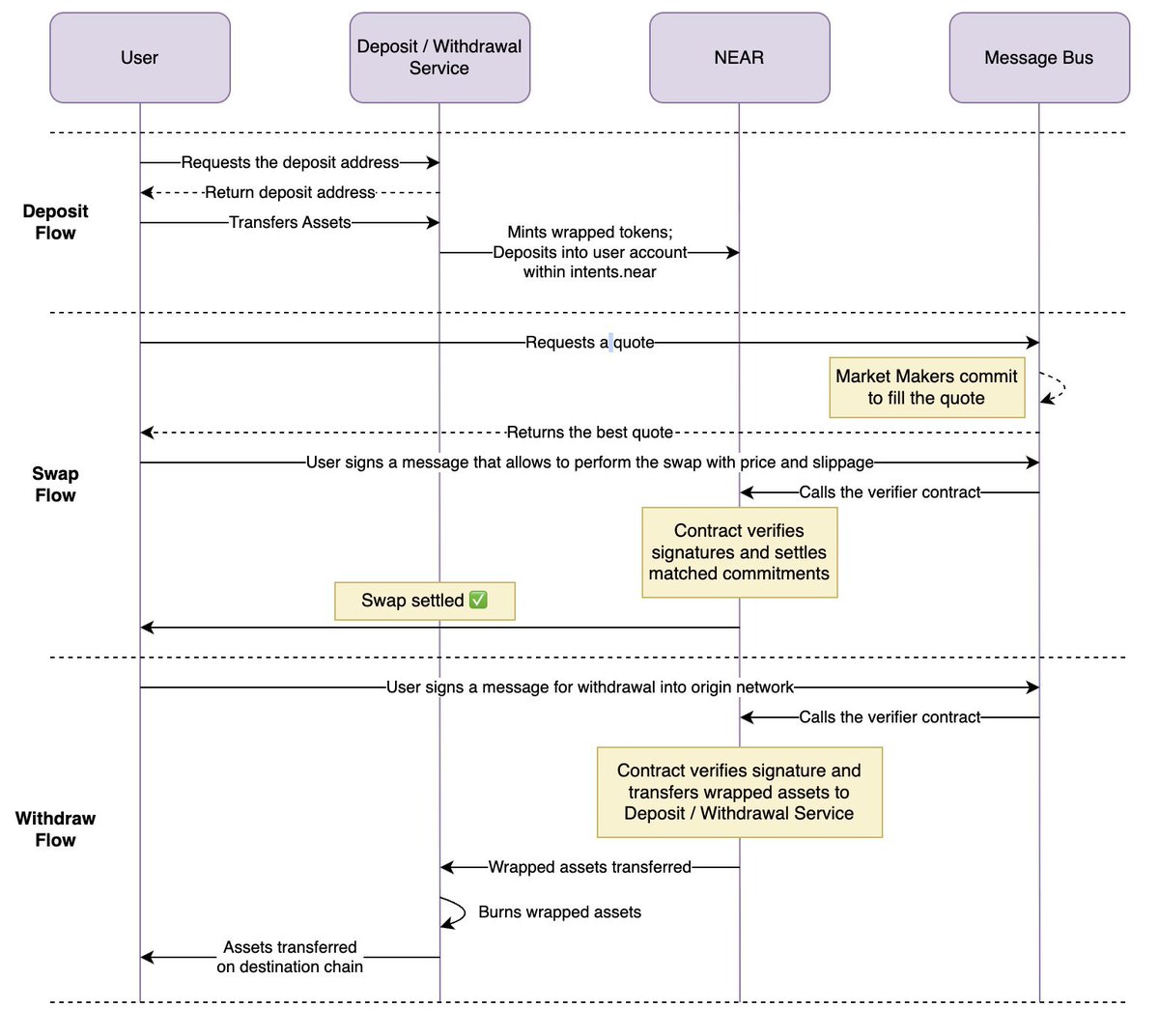
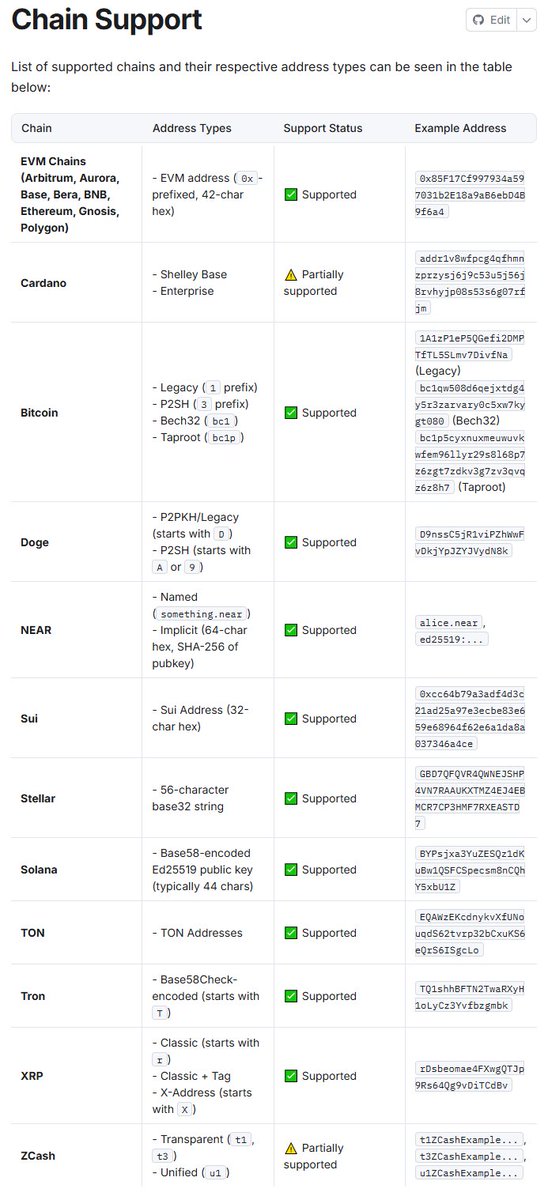
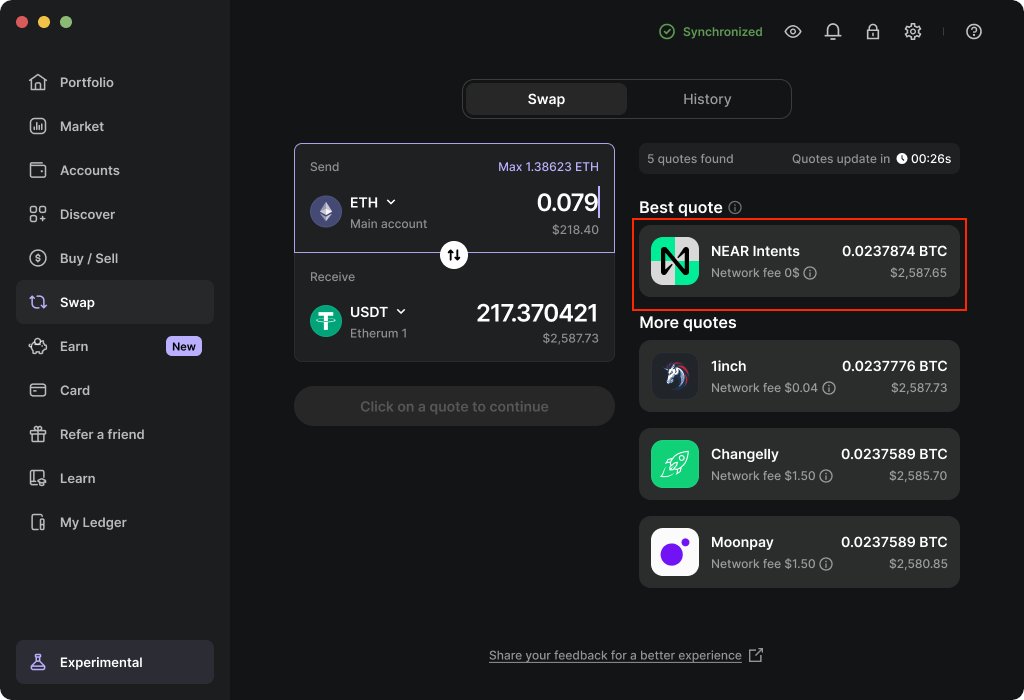
NEAR's protocol unpacks intents as native features, leveraging sharding to handle scale. Developers gain from account abstraction features like email-based creation and gasless usage, reducing entry friction. In cross-chain DeFi, this means innovative plays without locked capital in bridges, a persistent pain point in modular chains.
Key Pillars: Chain Signatures, Omnibridge, and Beyond
Chain signatures empower NEAR smart contracts to authorize transactions on external chains, unlocking AI-driven ops and seamless L2 swaps. Omnibridge complements this with trustless asset transfers, automating what once required manual relays. Together, they form chain abstraction routers that route intents efficiently, fostering an omnichain reality. Recent moves, such as Plasma's tie-up for stablecoin swaps and SwapKit's Polygon push, underscore momentum. As a 20-year macro veteran, I see NEAR's stack addressing interoperability's core challenges head-on, positioning it for multi-year dominance in a L2/L3 explosion.
NEAR Protocol (NEAR) Price Prediction 2027-2032
Projections driven by Chain Abstraction Routers, NEAR Intents adoption, and L2 cross-chain swap growth
| Year | Minimum Price | Average Price | Maximum Price | YoY Growth (Avg from Prev Year) |
|---|---|---|---|---|
| 2027 | $2.80 | $4.00 | $6.00 | +60.0% |
| 2028 | $4.50 | $6.50 | $9.50 | +62.5% |
| 2029 | $6.00 | $9.50 | $13.50 | +46.2% |
| 2030 | $8.50 | $13.50 | $19.00 | +42.1% |
| 2031 | $12.00 | $19.00 | $27.00 | +40.7% |
| 2032 | $16.50 | $26.00 | $37.00 | +36.8% |
Price Prediction Summary
NEAR Protocol is positioned for robust growth from its current ~$1.00 level in early 2026, fueled by chain abstraction innovations like Intents, Chain Signatures, and Omnibridge. Average prices are projected to rise progressively from $4.00 in 2027 to $26.00 by 2032, with minimums reflecting bearish market cycles or delayed adoption, and maximums capturing bullish scenarios of mass cross-chain DeFi integration and favorable regulations.
Key Factors Affecting NEAR Protocol Price
- Rapid adoption of NEAR Intents processing billions in cross-chain volume
- Key integrations with Plasma, Polygon, and 25+ chains via SwapKit and Omnibridge
- Enhanced UX through chain abstraction, reducing barriers for Web3 users
- Scalability from sharding and Chain Signatures enabling multichain operations
- Bullish crypto market cycles, regulatory clarity, and rising DeFi TVL
- Competition from ERC7683 standards and other interoperability protocols; potential bearish pressures from market downturns
Disclaimer: Cryptocurrency price predictions are speculative and based on current market analysis. Actual prices may vary significantly due to market volatility, regulatory changes, and other factors. Always do your own research before making investment decisions.
These components don't just connect chains; they abstract them into a single, strategic layer. For blockchain innovators, NEAR offers tutorials and guides to deploy dApps that thrive in this unified UX, from intents-based protocols to router optimizations.
Developers diving into NEAR's ecosystem find tools that turn chain abstraction routers into deployable realities, from SDKs for intents to plugins for L2 integrations. This isn't peripheral; it's the infrastructure for omnichain NEAR intents that scale with sharding's efficiency.
Real-World Momentum: Plasma and SwapKit Lead the Charge
Plasma's integration with NEAR Intents marks a pivotal step for stablecoin liquidity, allowing cross-chain swaps that feel instantaneous across L1s and L2s. Users specify an outcome, like converting USDC on Polygon to USDT on Ethereum, and solvers route it via NEAR's routers without custody risks. SwapKit's Polygon SDK expansion amplifies this, connecting over 20 chains directly. These aren't isolated wins; they demonstrate chain abstraction routers NEAR handling real volume, with intents processing billions in swaps. From my vantage as an ex-Goldman analyst, such partnerships signal network effects kicking in, much like early internet protocols standardized data flow.
Strategic thinkers note how these moves sidestep bridge vulnerabilities, a recurring multichain headache. NEAR's generalized signatures extend account control universally, enabling gasless actions and email logins that onboard normies en masse. In a world of L2 fragmentation, this unified UX L2 NEAR delivers positions the protocol as the interoperability hub.
Standards and Solvers: ERC7683 Synergy
ERC7683 emerges as the cross-chain intents linchpin, optimizing solver networks for broad intent routing. NEAR aligns seamlessly, its routers feeding into this standard to minimize execution friction. Solvers compete on outcomes, not chains, driving efficiency in cross-chain swaps NEAR. This solver-centric model lowers entry for universal networks, a dynamic I view as crypto's answer to high-frequency trading evolution. NEAR Intents, baked into the protocol, leverage sharding to outscale rivals, processing intents at L2 speeds without L2 lock-in.
Critically, this stack empowers AI agents for financial ops, signing across chains autonomously. Imagine DeFi strategies that hop Ethereum L2s to Solana then Bitcoin, all under one NEAR account. Blockchain innovators building here gain first-mover edge in an intents-dominated future.
Macro Thesis: Multi-Year Hold in Interoperability
Zooming out, NEAR's chain abstraction rhymes with historical shifts: from siloed internets to TCP/IP unity, now multichain to abstracted layers. With Binance-Peg NEAR steady at $1.00 after touching $1.01 highs, fundamentals like Omnibridge's trustless flows and intents' $5 billion track record underpin resilience. Modular chains face scalability tests; NEAR's sharded base aces them, routing omnichain NEAR intents at volume.
Investors should weigh adoption curves: Plasma's stablecoin push taps trillion-dollar rails, SwapKit unlocks Polygon liquidity pools. Risks linger in solver centralization or regulatory scrutiny, yet NEAR's decentralized ethos mitigates. For multi-year portfolios, this is the bet on chain abstraction eclipsing bridges entirely.
Protocols like NEAR don't just connect; they redefine interaction, turning multichain chaos into strategic simplicity. Developers, users, and holders alike stand to thrive as L2/L3 ecosystems converge through these routers.




No comments yet. Be the first to share your thoughts!