

Defining the omnichain UX limits to account for
Omnichain infrastructure uses chain abstraction to let users interact with assets and data across different blockchains without manually bridging funds. For AI agents and human users alike, the goal is a single interface that handles the complexity behind the scenes. However, "seamless" is a marketing term, not a technical guarantee. The actual user experience depends on how well the abstraction layer handles latency, fee estimation, and failure states.
The primary constraint in omnichain UX is visibility. When a transaction spans multiple chains, the user often loses sight of where their funds are during the settlement window. If the abstraction layer fails to provide clear, real-time status updates, the user experience degrades into anxiety and support tickets. A robust omnichain design must prioritize transparency over simplicity, showing the user exactly which chain is processing their request at any given moment.
Another critical constraint is fee fragmentation. Users expect to pay transaction fees in a single token, typically the one they are already holding. Omnichain protocols must reliably abstract this process, ensuring that gas costs are deducted correctly without surprising the user with unexpected token swaps or insufficient balance errors. Failure here breaks trust instantly.
Finally, error recovery is the ultimate test of omnichain UX. If a transaction fails halfway through a cross-chain bridge, the user needs a clear path to recover their funds or retry the process. Ambiguity in failure states leads to lost assets and frustrated users. The interface must guide the user through these edge cases with clear instructions and actionable next steps.
Omnichain UX choices that change the plan
Building for an omnichain future means accepting that no single protocol solves every friction point. While chain abstraction promises a unified experience, the reality involves balancing speed, cost, and security across heterogeneous networks. Your users expect the simplicity of a single-wallet interface but still face the underlying complexity of cross-chain messaging.
To evaluate tradeoffs effectively, you must compare how different layers handle the three core pillars of cross-chain interaction: finality guarantees, transaction costs, and user experience overhead. A solution that offers near-instant finality often requires more complex validator sets or higher fees. Conversely, solutions that prioritize low costs may introduce longer confirmation times or increased reliance on optimistic fraud proofs.
The following comparison breaks down the concrete factors that determine which architecture fits your specific use case. Focus on where the friction actually lands for the end user, not just the technical capabilities of the bridge.
| Factor | Speed & Finality | Cost Efficiency | Security Model |
|---|---|---|---|
| Light Clients | High finality | High gas | Native |
| Optimistic Batches | Delayed | Low | Fraud proofs |
| ZK Proofs | Medium | Variable | Mathematical |
| Relayer Networks | Fast | Low | Trust-based |
When selecting an approach, consider the latency tolerance of your application. High-frequency trading agents require the native security of light clients or ZK proofs, accepting the higher computational costs. Consumer-facing social apps might prioritize the low cost of relayer networks, where slight delays are imperceptible to the user. Always prototype the user journey with actual cross-chain transactions to measure the real-world impact of these tradeoffs.
Choose the next step
Building an omnichain UX requires moving beyond simple bridging. The goal is chain abstraction, where the user interacts with a single interface while the infrastructure handles cross-chain settlement and data transfer behind the scenes. This section outlines a practical decision framework to structure that interaction.
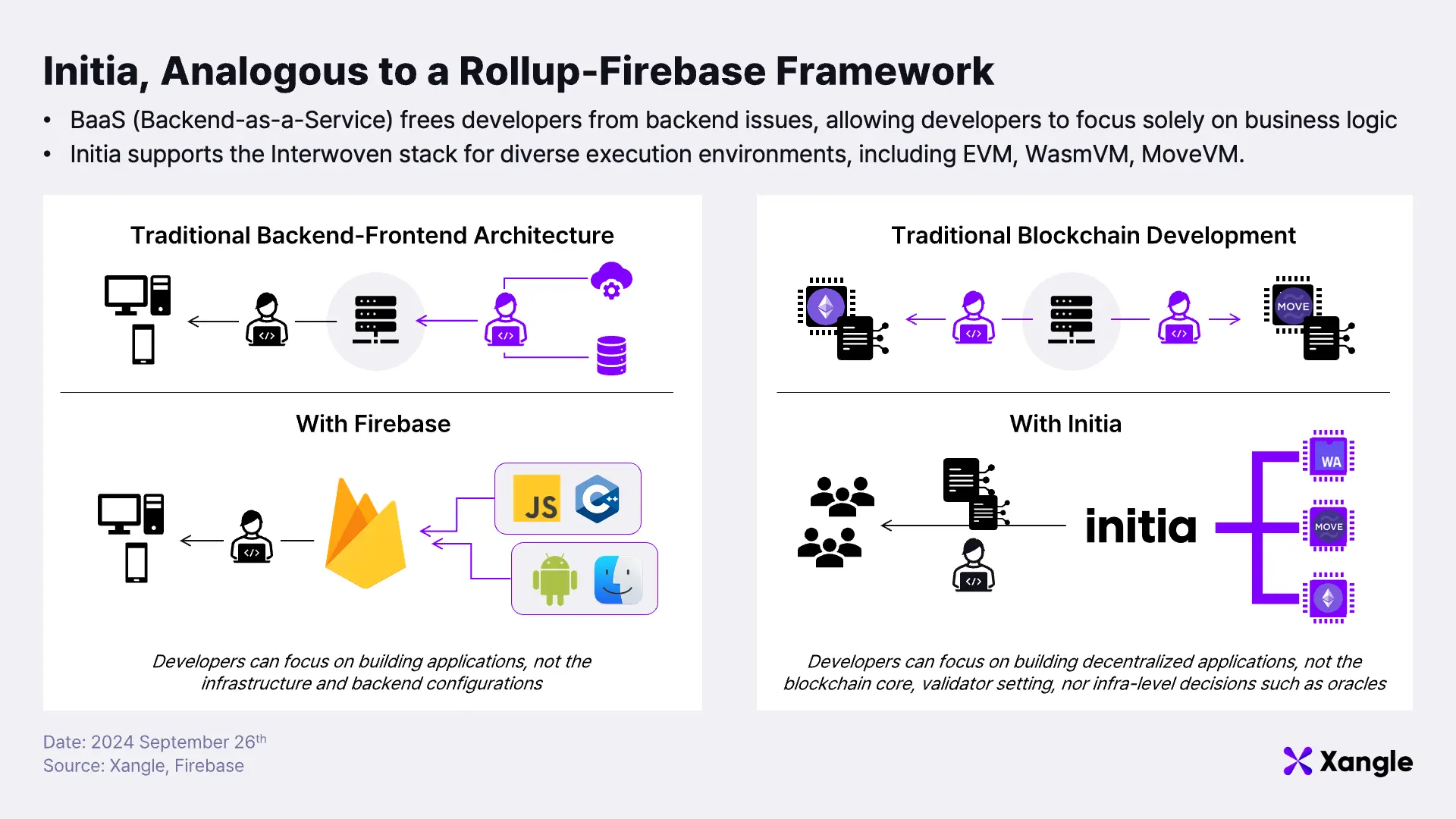
Start by identifying the primary asset or action. Does the user need to swap tokens, mint an NFT, or execute a smart contract call? The entry point dictates which chains must be active and determines the complexity of the underlying abstraction layer.
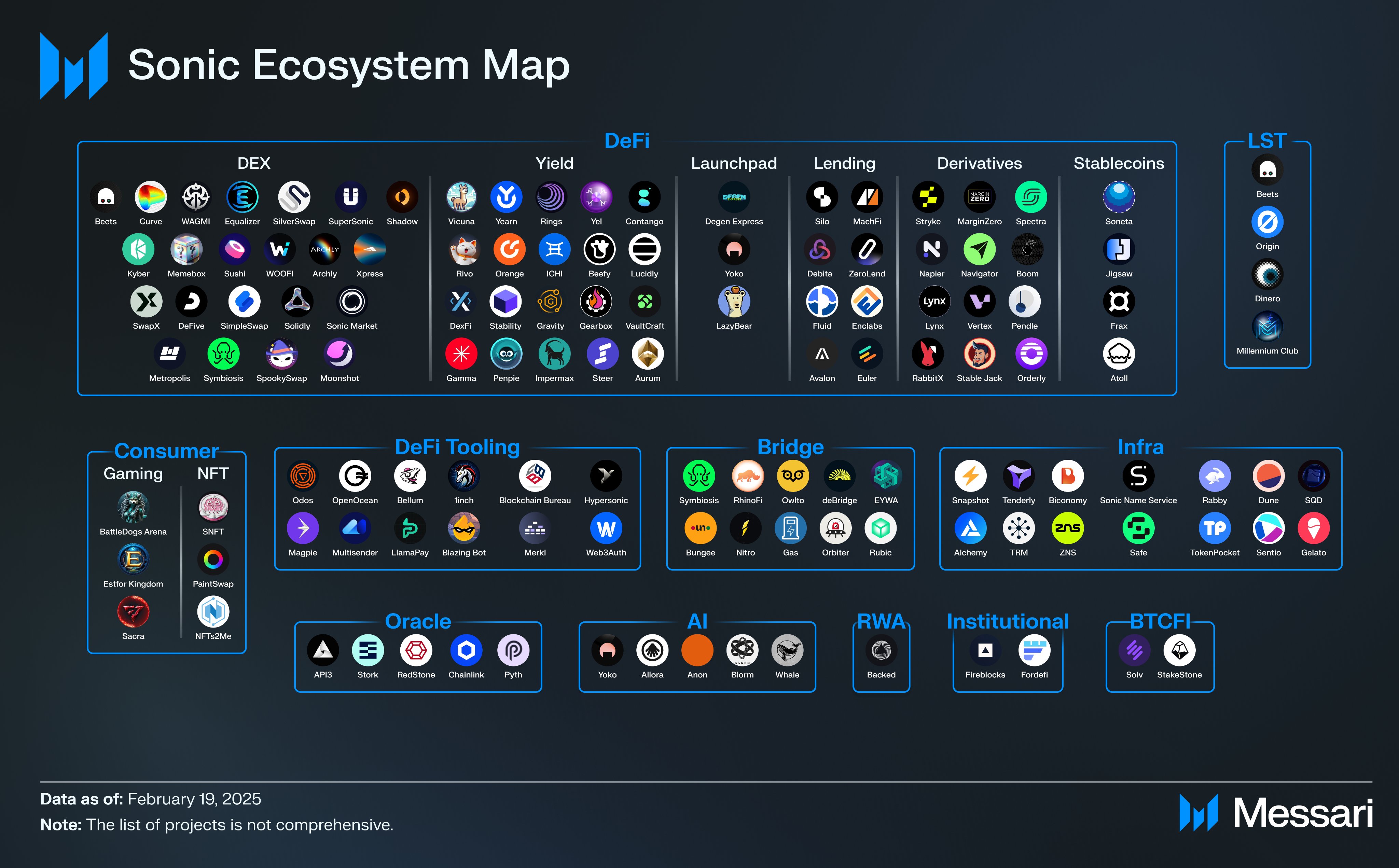
Omnichain protocols must maintain consistent state across source and destination chains. Identify which chains are supported by your chosen interoperability layer (e.g., LayerZero or CCIP) and ensure the liquidity pools or contract states are synchronized before presenting the action to the user.
Cross-chain transactions are not instant. Implement real-time status indicators that reflect the current stage of the bridge or relay. Users should see clear progress bars or step-by-step confirmations rather than generic "processing" messages, reducing anxiety during the wait period.

Cross-chain interactions have higher failure rates than native transactions. Design specific error screens for common issues like insufficient gas on the destination chain or bridge congestion. Provide actionable steps, such as "Switch Network" or "Retry with Higher Fee," rather than generic error codes.
The UX is incomplete until the user sees confirmation on the target chain. Implement a "Verify" button or automatic polling that checks the destination contract. This final proof of completion closes the loop and builds trust in the omnichain infrastructure.
Spotting Weak Omnichain Claims
The promise of omnichain UX is straightforward: users should interact with assets across chains without managing wallets, bridges, or gas tokens. In reality, many projects overstate their capabilities. When evaluating cross-chain interactions, look for concrete technical proof rather than marketing language. The difference between a functional abstraction layer and a fragile wrapper often comes down to how they handle settlement delays and security assumptions.
The Bridge Illusion
Many platforms claim to be "omnichain" while simply wrapping existing bridges. This approach shifts the risk to the user. If a bridge is compromised, the abstraction layer cannot protect your funds. Check if the project uses a trusted execution environment or a decentralized messaging protocol like LayerZero for verification. If the documentation only mentions "cross-chain swaps" without specifying the underlying settlement layer, it is likely just a wrapped asset. True abstraction handles the routing invisibly; it does not ask you to approve multiple contracts.
Hidden Gas and Slippage
Seamless UX often hides the cost of cross-chain translation. A transaction might appear free on the source chain, but the destination chain charges gas in its native token. If the UI does not pre-fund or auto-swap this, the transaction fails. Additionally, slippage accumulates as assets move through multiple liquidity pools. A 0.5% fee on each hop can result in significant losses. Always verify the total cost of ownership, including the gas on the destination chain and the exchange rate impact.
Settlement Delays
Some omnichain solutions promise instant finality, but this is rarely the case for high-value transactions. Security requires time for validators to reach consensus. If a platform claims instant settlement for all amounts, it is likely relying on a single signatory or a weak validator set. For large transfers, expect delays. Check the historical transaction times for the specific chains involved. A reliable protocol will display an estimated completion time based on current network congestion, not a fixed "instant" label.
Omnichain UX: what to check next
Omnichain UX aims to hide the complexity of cross-chain interactions, letting users and AI agents move assets and data without manually bridging or swapping tokens on each network. However, the technology is still maturing, and several practical questions remain for developers and users.
Understanding these limitations helps you choose the right infrastructure for your needs. As the ecosystem matures, the gap between single-chain and omnichain experiences will continue to narrow.
No comments yet. Be the first to share your thoughts!