
What omnichain UX actually means
Omnichain UX is the interface layer that lets users interact with assets and applications across multiple blockchains without managing separate wallets, bridges, or native tokens for each network. Instead of manually moving funds between chains—a process that often involves high fees, delay, and security risks—omnichain infrastructure handles the routing in the background. The user sees a single, unified experience, while the underlying protocol settles transactions on the appropriate chain.
This approach relies on chain abstraction, a technical framework that hides the complexity of multi-chain environments. According to industry definitions, omnichain infrastructure facilitates seamless data transfer and transaction settlement across different ledgers. For the average user, this means they can swap tokens, stake assets, or use decentralized applications (dApps) regardless of which blockchain the asset originally lived on, without ever seeing the "bridging" process.
The difference between traditional cross-chain interactions and omnichain UX is comparable to the difference between international wire transfers and using a single global debit card. With cross-chain bridges, you must actively convert currency, find a correspondent bank, and wait for clearance. With omnichain UX, the conversion and settlement happen invisibly. You interact with the application as if it were on a single chain, while the infrastructure ensures your asset is usable where it needs to be.
| Feature | Traditional Cross-Chain | Omnichain UX |
|---|---|---|
| User Action | Manual bridge transfers | Single interface interaction |
| Asset Visibility | Separate wallets per chain | Unified portfolio view |
| Settlement | Explicit bridging transaction | Background routing |
Omnichain ux choices that change the plan
Omnichain infrastructure aims to unify various blockchain networks into a cohesive ecosystem, but this abstraction comes with distinct engineering and user experience costs. While the goal is seamless interaction, the reality involves balancing complexity, security assumptions, and latency. Understanding these tradeoffs is essential for evaluating whether omnichain solutions fit your specific use case in 2026.
The primary advantage is user experience. By abstracting away chain selection, gas token swaps, and bridging steps, omnichain protocols make cross-chain interactions feel like single-chain transactions. However, this convenience relies on centralized or semi-centralized relayers and message passing layers, which introduces new trust assumptions compared to native chain operations.
Comparison of Omnichain Approaches
Different omnichain architectures offer varying levels of security and performance. The table below compares three common approaches based on their underlying logic and tradeoffs.
| Approach | Security Model | Latency | Dev Complexity |
|---|---|---|---|
| LayerZero-style | Light client verification | Medium | High |
| Rollup Aggregation | Shared sequencer | Low | Medium |
| Liquidity Networks | Custodial/Relayer | High | Low |
When to Choose Omnichain
Omnichain is most valuable for consumer-facing applications where user friction directly impacts adoption. If your app requires frequent cross-chain swaps, NFT transfers, or multi-chain gaming states, the abstraction layer justifies the added infrastructure cost. Users expect a single wallet signature regardless of the underlying chain.
However, for high-frequency trading or institutional settlement, the latency and security assumptions of message-passing layers may be unacceptable. In these cases, native chain operations or specialized rollup aggregations provide better performance and verifiability. The decision hinges on whether you prioritize user simplicity or transactional purity.
The market continues to evolve as these protocols mature. Monitoring on-chain metrics and security audits remains critical, as any failure in the abstraction layer can compromise assets across multiple chains. Always verify the specific security model of the omnichain protocol you integrate.
Choose the next step
The shift from fragmented chains to omnichain infrastructure isn't just a technical upgrade; it's a fundamental change in how users interact with digital assets. In 2026, the expectation is no longer to manually bridge tokens or manage multiple wallets. Instead, the goal is chain abstraction—where the underlying complexity is hidden, allowing interactions to flow seamlessly across networks.
To implement this effectively, you need to move beyond abstract concepts and establish a concrete decision framework. This section breaks down the essential steps to evaluate omnichain solutions, ensuring you choose infrastructure that aligns with your specific use case rather than chasing the latest trend.
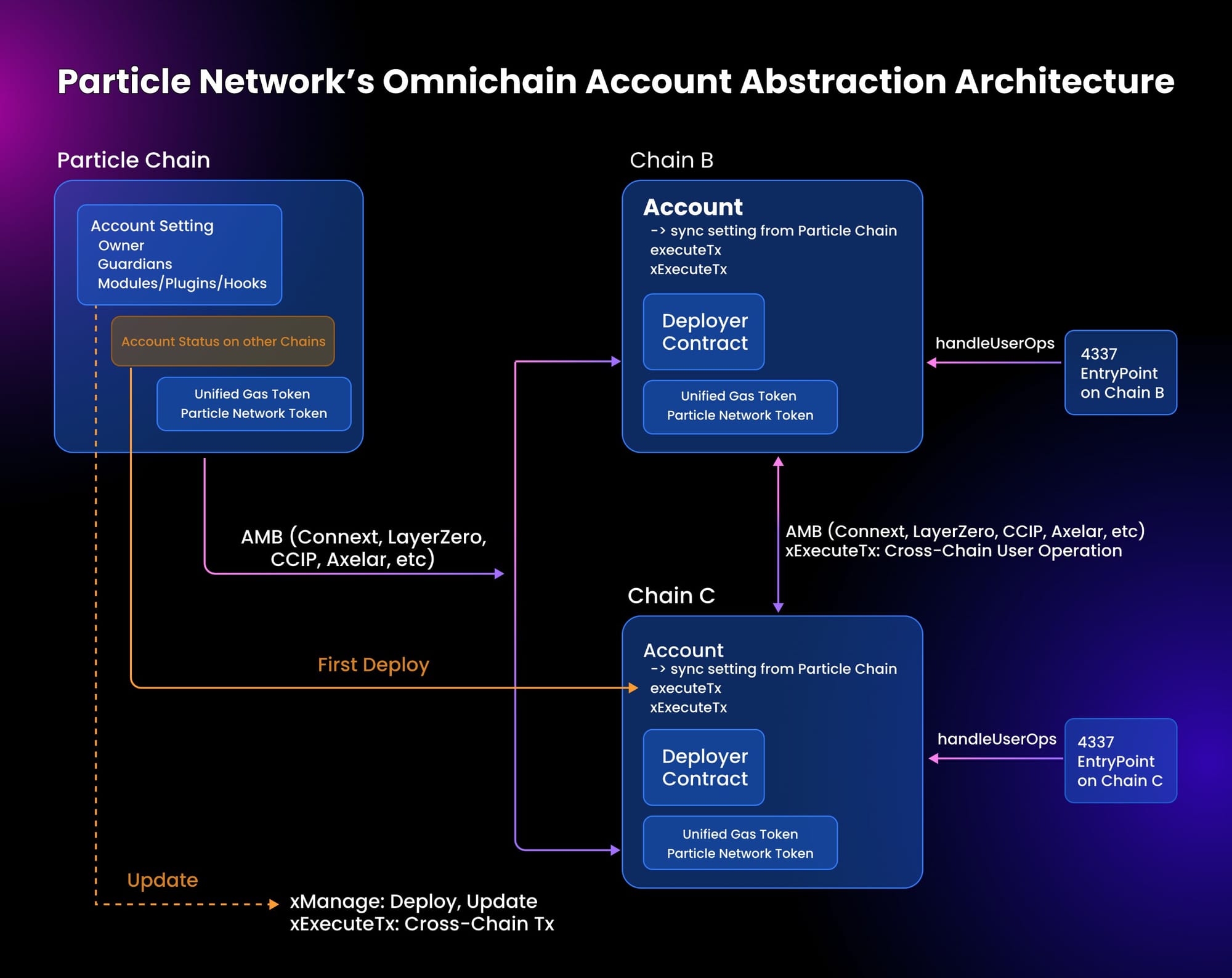
Before adopting new infrastructure, map every transaction that currently requires manual bridging or multi-wallet management. Identify the pain points: high fees, slow settlement times, or confusing user flows. This audit reveals exactly where chain abstraction will deliver the most value to your users.

Not all omnichain solutions are created equal. Compare protocols based on their security models, finality guarantees, and supported chains. Look for solutions that offer native account abstraction support, allowing users to interact with multiple chains using a single wallet interface without realizing the cross-chain mechanics happening in the background.
Build a minimal viable interaction that demonstrates the omnichain capability. Does the user need to approve transactions on two different networks? Is the gas fee paid automatically? The best omnichain UX is invisible; users should focus on their goal, not the technology enabling it. Measure success by reduction in steps, not just speed.
Deploy the solution in a controlled environment. Monitor for failed transactions, high latency, or unexpected costs. Use analytics to track drop-off rates during cross-chain interactions. Continuous monitoring ensures that the abstraction layer remains robust as network conditions change and new chains are added to the ecosystem.
| Feature | Omnichain Standard |
|---|---|
| User Action | Single signature |
| Wallet Management | One wallet |
| Gas Fees | Abstracted/Paid in any token |
| Underlying Complexity | Hidden from user |
Spotting Weak Omnichain Claims
The promise of omnichain infrastructure is simple: users interact with assets across chains without managing bridges or wrapping tokens. The reality is often more complex. Many platforms market "seamless" cross-chain swaps while hiding the underlying fragmentation behind a polished interface. Before committing funds, you need to distinguish between true chain abstraction and a rebranded multi-bridge aggregator.
The Hidden Costs of "Seamless" Swaps
A common pitfall is assuming that a single interface means a single liquidity pool. In many cases, the UX aggregates quotes from multiple bridges and wrapped token versions. While the user experience is smooth, the trade-offs are often buried in the slippage settings or the routing logic. You might be paying higher gas fees on the destination chain or accepting a worse exchange rate because the liquidity is fragmented. Always check the final execution path, not just the initial quote.
When to Avoid Omnichain Solutions
Not every cross-chain interaction should be automated. For large transfers or high-value assets, relying on a single omnichain protocol introduces a single point of failure. If the abstraction layer goes down or gets compromised, your assets are stranded. In these cases, using a well-audited, direct bridge or a multi-sig wallet provides better control and transparency. The convenience of omnichain UX is a feature, not a guarantee of safety.
Key Checks Before You Transact
- Verify the Abstraction Layer: Does the platform handle the bridging, or does it just show you options? True omnichain solutions settle natively or use verified relayers.
- Check Liquidity Depth: Thin liquidity on any leg of the journey can lead to significant price impact.
- Review Gas Estimates: Ensure the estimated gas includes all destination chain fees, not just the source chain.
By focusing on these concrete checks, you can avoid the most common pitfalls of cross-chain interaction and make informed decisions about where your assets should live.
Omnichain UX: Common Questions Answered
If you are evaluating cross-chain infrastructure for 2026, these practical questions clarify how omnichain systems function, their current relevance, and their transparency.
No comments yet. Be the first to share your thoughts!