The shift to unified chain abstraction
Omnichain UX design is the structural response to the fragmentation of liquidity and the friction of manual bridging. As the multichain ecosystem matures, the user experience must decouple from the underlying infrastructure. The goal is to treat cross-chain interactions as a single, continuous state rather than a series of disjointed transactions.
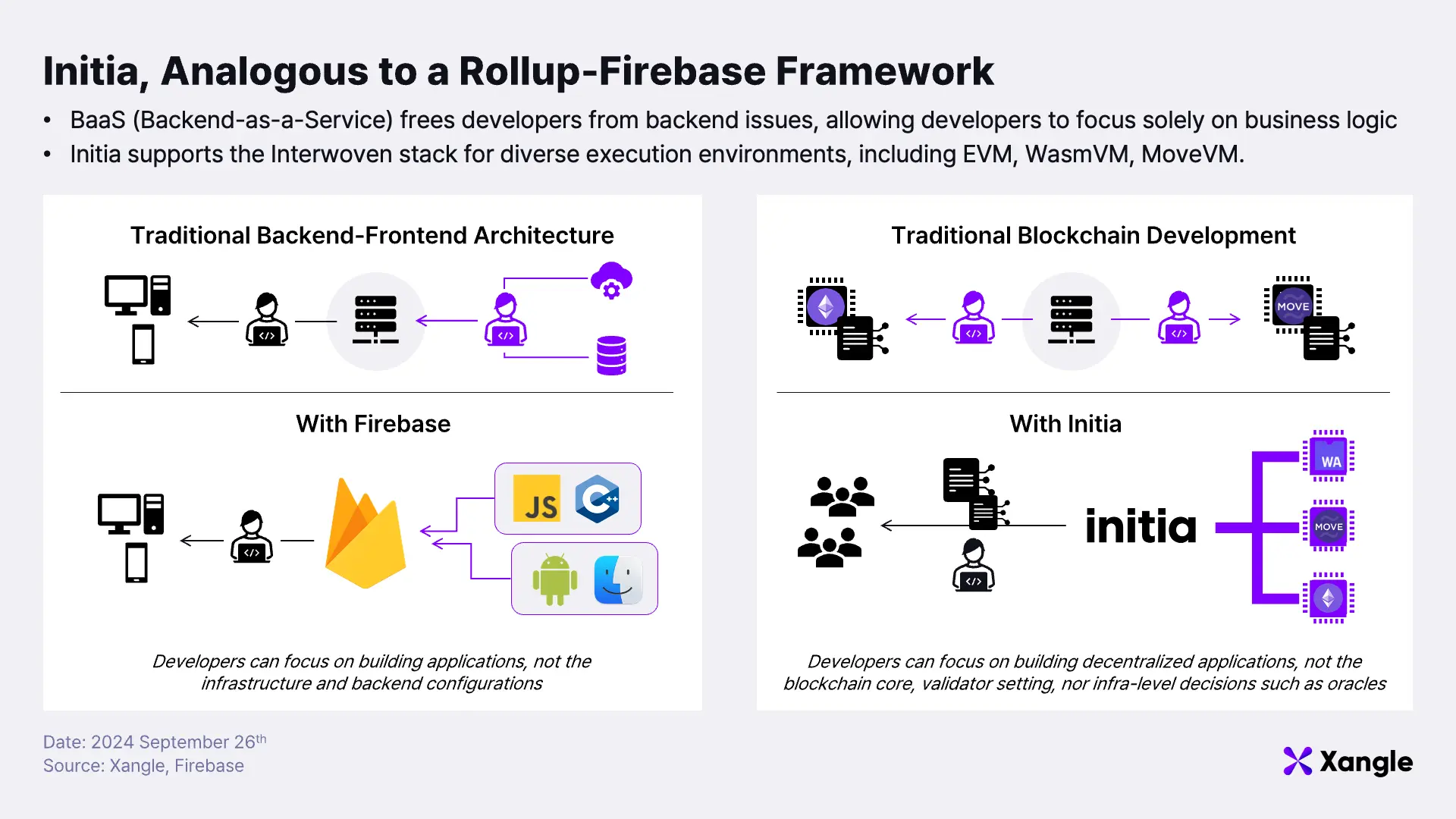
The Omnichain Web provides the framework for this transition, addressing the evolving needs of a decentralized but interconnected network. By abstracting the complexity of message passing and asset routing, applications can maintain a unified interface regardless of which chains are active in the background.
This shift is not merely aesthetic; it is a risk management imperative. Fragmented liquidity leads to slippage, failed transactions, and user drop-off. Unified abstraction reduces these operational risks by standardizing how applications communicate across different environments. The result is a more resilient user journey that prioritizes intent over execution details.
Native token routing
Native token routing removes the need for users to understand cross-chain mechanics. Instead of manually swapping assets on one chain and bridging them to another, users send a native token that the protocol routes automatically across chains. This pattern treats the blockchain network as a unified liquidity layer rather than a series of isolated silos.
The user experience mirrors sending a standard transaction. A user selects a destination chain and initiates a transfer using the token native to their current wallet. Behind the interface, the protocol handles the liquidity provision, message passing, and settlement. This abstraction significantly reduces cognitive load, allowing users to focus on their intent rather than the infrastructure.
By hiding the bridge, applications can maintain higher retention rates. Users are less likely to abandon a transaction when they do not need to manage multiple approvals or wait for complex bridging confirmations. The result is a fluid experience where the underlying chain complexity becomes invisible to the end user.
Unified liquidity pools
Omnichain design patterns shift the burden of liquidity management from the user to the protocol. In traditional cross-chain ecosystems, users face fragmented liquidity. They must manually bridge assets, swap on disparate decentralized exchanges, and monitor slippage across multiple networks. This friction creates a high-risk environment where capital efficiency is low and transaction failures are common.
Unified liquidity pools solve this by presenting a single, aggregated view of capital to the end user. Regardless of whether the underlying assets reside on Ethereum, Arbitrum, or Solana, the application interface treats them as a single, coherent pool. The protocol handles the complex routing and settlement logic in the background, ensuring that the user interacts with one consistent price feed and liquidity depth.
This abstraction is critical for high-stakes trading and institutional-grade applications. When liquidity is siloed, large orders suffer from significant price impact. By aggregating liquidity across chains, omnichain apps can offer tighter spreads and better execution prices. The user sees a unified balance and a single transaction receipt, even though the backend may involve multiple cross-chain message passing events.
The result is a trading experience that mirrors centralized exchanges in simplicity, while retaining the composability and security of decentralized infrastructure. For developers, this means building once and accessing liquidity everywhere. For traders, it means capital efficiency without the operational overhead of multi-chain management.
Abstracted gas payments
Users should never need to acquire a specific native token just to cover transaction fees. Abstracted gas payments remove this friction by allowing users to pay for cross-chain operations using any supported asset, typically stablecoins like USDC or USDT. This pattern treats gas as a backend service rather than a user-side requirement.
Without abstraction, onboarding requires a multi-step process: acquiring the destination chain’s token, bridging it, and managing separate balances. This creates significant drop-off risk. By handling gas internally, the application absorbs the complexity, allowing the user to interact with the dApp using their existing portfolio.
This approach aligns with traditional finance expectations where fees are deducted from the principal amount or settled in the primary currency. It reduces cognitive load and prevents failed transactions due to insufficient native balances. The result is a smoother entry point for capital deployment across fragmented liquidity pools.
Single sign-on identity
Omnichain applications are failing because they force users to manage fragmented digital identities. A user holding assets across an L2 like Arbitrum and an L3 like Base currently needs two distinct wallets, two sets of keys, and two separate authentication flows. This friction is the primary barrier to mass adoption. Single sign-on (SSO) identity patterns solve this by decoupling the user’s identity from the underlying chain infrastructure.
This pattern relies on account abstraction (ERC-4337) to create a unified account that exists logically across multiple chains. Instead of signing transactions with private keys tied to specific networks, the user authenticates once via a social login or biometric signature. The abstraction layer handles the routing of that session across different L2s and L3s. The result is a single identity that moves seamlessly between ecosystems without the user ever interacting with a new wallet interface.
The operational difference between traditional multi-wallet management and omnichain single-identity is stark. Traditional models require manual bridging and repeated authentication steps for every chain switch. Omnichain SSO abstracts this complexity, allowing the application to manage the cross-chain state in the background. This reduces the cognitive load on the user and eliminates the security risks associated with managing multiple seed phrases.
| Feature | Traditional Multi-Wallet | Omnichain Single Identity |
|---|---|---|
| Authentication | Chain-specific signing per network | Single session across all chains |
| Asset Visibility | Fragmented across separate wallets | Unified view via abstraction layer |
| User Experience | High friction, manual bridging required | Seamless, background chain routing |
By consolidating identity management, omnichain UX transforms the user experience from a series of disconnected logins into a continuous, coherent interaction. This is not just a convenience feature; it is a necessary evolution for any application aiming to operate at scale across the fragmented blockchain landscape."
Intent-centric interfaces
Traditional DeFi interfaces force users to solve routing puzzles. You must select the source chain, pick a bridge, choose a destination chain, and approve two different token allowances before a single swap occurs. This transaction-based workflow creates friction that alienates mainstream users who care about outcomes, not mechanics.
Intent-centric design flips this model. Users specify what they want—such as "swap ETH for USDC on Arbitrum"—and the backend orchestrates the complex cross-chain logistics. The interface becomes a simple input field rather than a dashboard of chain selectors and bridge options.
This pattern relies on off-chain solvers to find the most efficient path across chains. The user pays for the result, not the route. By hiding the complexity of bridges and liquidity fragmentation, intent-centric interfaces reduce cognitive load and error rates, making cross-chain interaction as simple as sending a message.
Implementing omnichain UX best practices
Building for multiple chains introduces friction that standard single-chain apps do not face. Users expect their assets to move instantly, but cross-chain bridges and relayers operate on different timelines. The primary goal of omnichain UX is not speed, but clarity. When a transaction spans LayerZero or similar omnichain protocols, the interface must manage user expectations regarding latency and finality.
Transparency in fees and latency is more important than speed. Users are willing to wait if they understand why. Hide the complexity of the underlying relayer logic, but expose the total cost and estimated time clearly. If a bridge is congested, show the delay upfront rather than letting the user stare at a spinning loader. This reduces anxiety and support tickets.
Error handling must be specific. Generic "Transaction Failed" messages are useless in cross-chain contexts. Distinguish between network congestion, insufficient gas on the source chain, and liquidity shortages on the destination. Provide actionable steps for each scenario, such as switching chains or adjusting slippage tolerance.
Finally, design for recovery. Cross-chain transactions can fail at multiple stages. Provide a clear path to refund or retry without forcing the user to navigate complex blockchain explorers. Keep the user within your application’s UI whenever possible to maintain trust and continuity.
Helpful gear
Use these product recommendations as a starting point, then choose the size, material, and price point that fit how you actually use the gear.


As an Amazon Associate, we may earn from qualifying purchases.
No comments yet. Be the first to share your thoughts!