
The shift to unified cross-chain interfaces
The current landscape of blockchain interoperability remains fragmented, requiring users to manage multiple wallets, bridge assets, and navigate distinct network protocols for every transaction. This operational burden creates significant cognitive load and increases the risk of user error, which regulators view as a material compliance gap. As of 2026, the demand for unified cross-chain interfaces reflects a market correction toward designs that abstract underlying complexity while maintaining auditability.
Regulatory bodies in the European Union and the United States are increasingly scrutinizing the transparency of cross-chain movements. A unified interface is no longer merely a convenience feature; it is a prerequisite for demonstrating clear intent and proper asset custody. Designing for this new standard requires treating the user journey as a single legal event, rather than a series of disconnected technical operations, to ensure that terms of service and risk disclosures remain consistent regardless of the underlying chain.
Industry reports from 2026 indicate a shift from craft-based design to operational reliability. Users expect a single point of truth for their digital assets. This expectation aligns with regulatory goals for consumer protection, as standardized interfaces reduce the ambiguity that often leads to unauthorized transfers or lost funds. The focus is now on creating interfaces that can legally and technically verify cross-chain states without exposing users to unvetted bridge risks.
Abstraction Layer Design Patterns
The complexity of cross-chain transactions requires an abstraction layer that shields users from underlying blockchain mechanics. In 2026, this layer functions as a compliance buffer, managing the legal and technical risks inherent in multi-jurisdictional asset movement. By decoupling the user interface from the execution engine, platforms can enforce consistent regulatory standards regardless of the destination chain.
Account abstraction, defined by ERC-4337, allows for smart contract wallets that can batch operations and sponsor gas fees. This standard shifts liability from the individual user to the contract logic, providing a clearer audit trail for regulatory bodies. Intent-based routing complements this by allowing users to submit high-level goals rather than specific transaction steps. The system then finds the most compliant and efficient path, reducing the potential for user error and failed transactions.
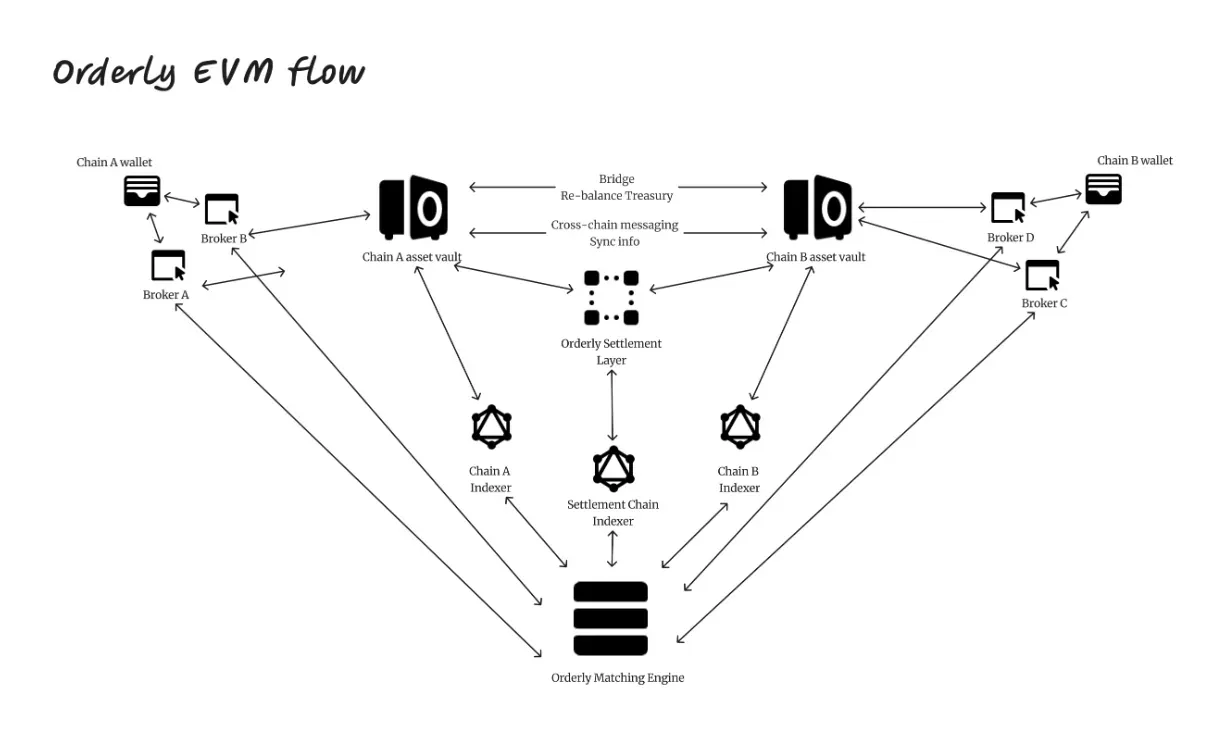
A robust abstraction layer must address several critical compliance points. The following checklist outlines the essential components for 2026:
The integration of these patterns transforms cross-chain UX from a technical challenge into a regulatory advantage. By hiding complexity behind a compliant interface, platforms can operate across borders with greater legal certainty. This approach ensures that the user experience remains seamless without compromising the legal obligations of the service provider.
Managing Latency and State Visibility
Cross-chain transactions introduce inherent latency that standard single-chain interfaces do not account for. In the context of 2026 standards, the primary risk is not merely technical delay, but user confusion regarding transaction finality. When a user initiates a bridge, the interface must clearly distinguish between "initiated," "in-flight," and "confirmed" states. Ambiguity in these states can lead to duplicate submissions or premature user abandonment, creating liability for the platform through failed transactions and lost funds.
Designing for pending states requires strict adherence to transparency principles. Interfaces should display real-time progress indicators that reference specific blockchain confirmations rather than generic loading spinners. This approach aligns with emerging regulatory expectations for clear communication of service status. Users must be informed of estimated completion times based on the slowest chain in the routing path. Failure to provide accurate time estimates can be construed as misleading conduct under consumer protection frameworks in various jurisdictions.
State visibility also extends to error handling. If a transaction fails due to network congestion or smart contract rejection, the interface must provide a clear, non-technical explanation and, where possible, an automated recovery path. This reduces the burden on customer support and minimizes regulatory exposure related to unfair trade practices. By ensuring users always understand the status of their assets, platforms can mitigate the legal risks associated with opaque cross-chain operations.
Designing for Failure in Cross-Chain Journeys
In 2026, the assumption that transactions will succeed is a liability. Cross-chain bridges operate across heterogeneous consensus mechanisms, introducing unique failure modes such as finality delays, liquidity dry-ups, and protocol-specific validation errors. Designing for these states is not merely a usability feature; it is a risk mitigation strategy that aligns with regulatory expectations for transparency and consumer protection.
Error State Communication
Users must understand why a transaction failed without encountering cryptic hexadecimal codes. Error messages should explicitly state the nature of the failure—whether it is a network congestion issue, a bridge liquidity shortfall, or a smart contract revert. Clarity reduces support volume and mitigates the risk of user error leading to irreversible losses. Regulatory bodies increasingly scrutinize how platforms disclose technical risks to retail users.
Recovery Flows and Fund Retrieval
A robust 2026 standard includes automated recovery mechanisms. When a bridge transaction stalls, the interface should guide the user through the official claim or dispute process. This may involve interacting with a dispute resolution contract or contacting a bridge operator. The flow must be documented, auditable, and accessible. Providing clear instructions for fund retrieval is essential for maintaining trust and complying with emerging digital asset custody standards.
Compliance and Audit Trails
Every error state and recovery action should be logged. These logs serve as evidence of due diligence in the event of a regulatory inquiry. Platforms must ensure that users are aware of the immutable nature of blockchain transactions and the limited recourse available in cases of user error. Transparent communication about these limitations is a cornerstone of compliant cross-chain UX.
Compliance and jurisdictional routing
Cross-chain UX operates within a fragmented regulatory landscape where user location dictates protocol behavior. Routing is no longer just about latency; it is a compliance layer that must enforce jurisdictional boundaries in real time. As cross-chain bridges become standard, the risk of facilitating transactions for restricted entities or assets in specific regions has escalated.
The European Union’s Markets in Crypto-Assets (MiCA) regulation, fully applicable as of 2024, requires strict identity verification (KYC) and transaction monitoring for digital asset service providers. In contrast, the United States employs a sectoral approach, with the SEC and CFTC asserting overlapping jurisdiction over different asset classes. Cross-chain interfaces must therefore detect user IP and wallet provenance to route transactions through compliant chains or disable specific features entirely.
Failure to implement these jurisdictional gates exposes platforms to significant legal liability. For instance, routing a transaction involving a privacy-enhancing token through a chain that lacks auditability may violate anti-money laundering (AML) laws in the EU or the US. UX designers must embed these constraints invisibly, ensuring that non-compliant actions are prevented before they reach the blockchain, rather than flagged after the fact.
No comments yet. Be the first to share your thoughts!