Defining the omnichain UX shift
Omnichain UX represents the transition from fragmented multi-wallet experiences to a unified user interface. Instead of forcing users to manually bridge assets, switch networks, and manage multiple token balances, omnichain infrastructure leverages chain abstraction to handle these complexities in the background. The result is a single, seamless interaction point that feels like a traditional web application, regardless of the underlying blockchain activity.
The core problem omnichain UX solves is the friction of interoperability. In a traditional multi-chain environment, a user interacting with a decentralized exchange on Ethereum might need to bridge assets to Layer 2 solutions or other chains to access specific liquidity. This process is slow, expensive, and error-prone. Omnichain applications, such as those built on LayerZero’s Omnichain Application (OApp) standard, define generic crosschain messaging interfaces. This allows developers to send and receive arbitrary data across multiple networks without the user ever leaving the application.
From a developer perspective, this shift simplifies architecture. Instead of maintaining separate codebases for different chains, teams can build once and deploy everywhere, relying on the omnichain layer to manage the cross-chain logic. For the end user, the benefit is immediate: they interact with their favorite dApps without worrying about which chain they are on. This abstraction removes the technical barriers that have historically limited blockchain adoption, making crypto interactions as intuitive as using a standard app.
Standardizing Cross-Chain Messaging
Cross-chain communication has historically been fragmented, requiring developers to stitch together disparate bridges and adapters. This friction created a poor user experience, forcing users to navigate complex wallet swaps and bridge interfaces just to move assets. The industry is now converging on standardized messaging protocols to solve this fragmentation.
At the center of this shift is the Omnichain Application (OApp) standard. Defined by LayerZero, OApp provides a generic cross-chain messaging interface that allows developers to build applications capable of sending and receiving arbitrary data across multiple blockchain networks. Instead of building custom bridge logic for every chain, developers implement a single OApp interface. This standardization reduces development time and minimizes the attack surface associated with custom bridge code.
The OApp framework supports various token standards, including the Omnichain Fungible Token (OFT) standard for fungible assets and similar standards for NFTs. By unifying these transfer mechanisms, protocols can offer seamless liquidity and asset movement. Users interact with a single interface, while the underlying messaging protocol handles the complex routing and verification across different chains.
This standardization is critical for the next wave of omnichain adoption. It shifts the burden from the user to the protocol layer, enabling applications to feel native regardless of the underlying chain complexity. As more projects adopt OApp, the network effects will accelerate the transition from isolated silos to a truly interconnected web3 ecosystem.
How omnichain UX works in lending, swapping, and NFTs
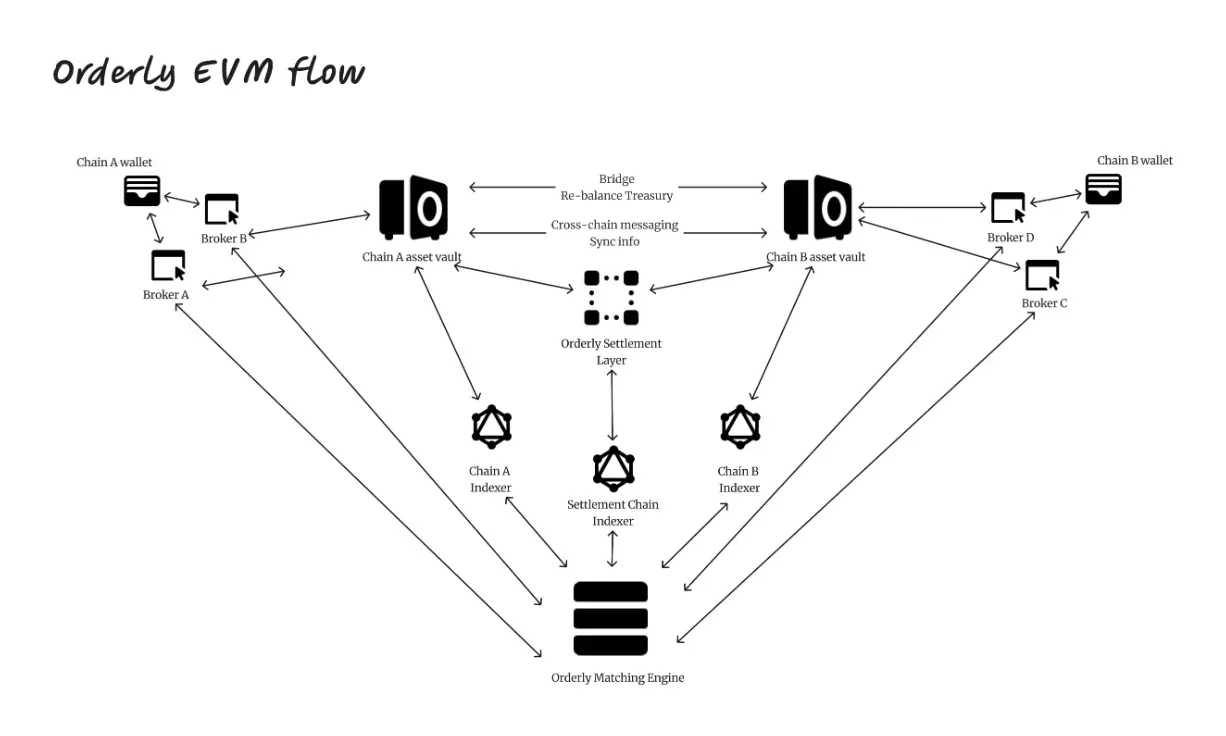
Omnichain applications are moving from theoretical diagrams to live user interfaces. Instead of treating cross-chain interactions as a series of manual bridge hops, these patterns let users interact with a single interface while the underlying infrastructure handles the routing. This approach reduces friction and minimizes the risk of user error during complex transactions.
Lending across chains
Omnichain lending allows collateral to remain on one chain while borrowing occurs on another. This is particularly useful for users who want to keep assets liquid on a high-throughput chain while accessing capital on a different network. The system verifies the collateral state and executes the loan without requiring the user to manually bridge funds first.
Seamless swapping
Swapping assets across chains typically involves wrapping, bridging, and unwrapping tokens. Omnichain UX abstracts this away, allowing a user to swap an asset on Chain A for a native asset on Chain B in a single transaction. The interface handles the liquidity routing and message passing, presenting the user with a single confirmation screen rather than a multi-step checklist.
NFT portability
NFTs are no longer locked to their native chain. Omnichain protocols enable the transfer of NFT ownership across networks, allowing collectors to move assets to chains with lower fees or better marketplaces. This creates a more fluid secondary market where the value of the NFT is not tied to the specific blockchain it was minted on.
Bridging vs. Omnichain
The difference between traditional bridging and omnichain UX is like mailing a letter versus sending an email. Traditional bridging requires you to physically move the asset to a new location before using it. Omnichain UX allows the asset to remain where it is while the value is accessed remotely.
| Feature | Traditional Bridging | Omnichain UX |
|---|---|---|
| User Steps | 3-5 steps | 1 step |
| Asset Movement | Physical transfer | Logical transfer |
| Gas Payments | Multiple chains | Single chain |
| Risk Exposure | High (multiple txs) | Lower (single tx) |
Designing for the unified user
Omnichain applications succeed only when they hide the underlying complexity. Users should not need to understand which blockchain hosts their assets or how messages route between networks. LayerZero’s Omnichain Application (OApp) standard provides the generic cross-chain messaging interface that makes this abstraction possible, allowing developers to build applications that send and receive data without exposing the user to the mechanics of interchain communication.
Hiding complexity and managing gas
The most friction-heavy part of cross-chain interaction is often gas management. Users typically need native tokens on the destination chain to pay for transaction fees, a barrier that deters casual adoption. Modern omnichain solutions address this by enabling gasless transactions or abstracting the fee payment into the user’s preferred currency. By handling the routing and fee settlement in the background, the application presents a single, familiar interface rather than a fragmented multi-wallet experience.
Ensuring transaction finality visibility
Uncertainty kills trust. When a user initiates a cross-chain transfer, they need immediate, clear feedback on the status. The interface must distinguish between pending messages, in-flight bridges, and final confirmations. Providing real-time visibility into transaction finality reduces support tickets and user anxiety. Without this transparency, the perceived risk of losing funds during the transition outweighs the utility of accessing liquidity across chains.
Market signals and adoption metrics
The market for chain abstraction is moving from experimental prototypes to deployed infrastructure. Projects like LayerZero have shifted focus from theoretical messaging to tangible omnichain applications, such as lending platforms where collateral sits on one chain while borrowing occurs on another. This shift signals that the market values functional interoperability over abstract connectivity.
Financial performance in this sector remains volatile, reflecting the high-risk nature of early-stage crypto infrastructure. Investors are closely monitoring tokens tied to cross-chain messaging protocols, treating them as leveraged bets on the broader adoption of omnichain UX. The STG token, for instance, serves as a primary indicator of market sentiment toward LayerZero's ecosystem growth and developer activity.
Adoption metrics are increasingly tied to developer engagement rather than just total value locked. The LayerZero Omnichain Application (OApp) standard has become a benchmark, allowing developers to build applications that send arbitrary data across multiple networks. As more builders adopt this standard, the network effects of chain abstraction begin to compound, potentially stabilizing the financial outlook for these infrastructure providers.
No comments yet. Be the first to share your thoughts!