Defining omnichain UX in 2026
Omnichain UX represents a fundamental shift in blockchain interaction, moving away from the fragmented, chain-specific silos that have defined Web3 for years. It is not merely a technical upgrade but a user-centric design philosophy that abstracts the underlying infrastructure complexity. The core goal is the removal of chain selection friction, allowing users to interact with digital assets and decentralized applications without needing to understand which specific blockchain network is processing their transaction.
In this model, the concept of "chain" becomes invisible to the end user. Instead of manually selecting Ethereum, Solana, or Arbitrum and paying distinct gas fees for each, the user experiences a unified interface. The system handles the routing, settlement, and data transfer across multiple chains in the background. This abstraction is critical for mass adoption, as it eliminates the cognitive load and security risks associated with bridge hopping and cross-chain token wrapping.
The 2026 standard prioritizes outcomes over infrastructure. Users care about the functionality of an application—whether it is trading, lending, or gaming—not the ledger on which it resides. By decoupling the user experience from the specific blockchain protocol, omnichain design creates a seamless environment where liquidity and utility are aggregated rather than siloed. This approach mirrors the evolution of traditional finance, where the complexity of clearing and settlement is hidden behind a simple, intuitive banking interface.
The technical backbone of abstraction
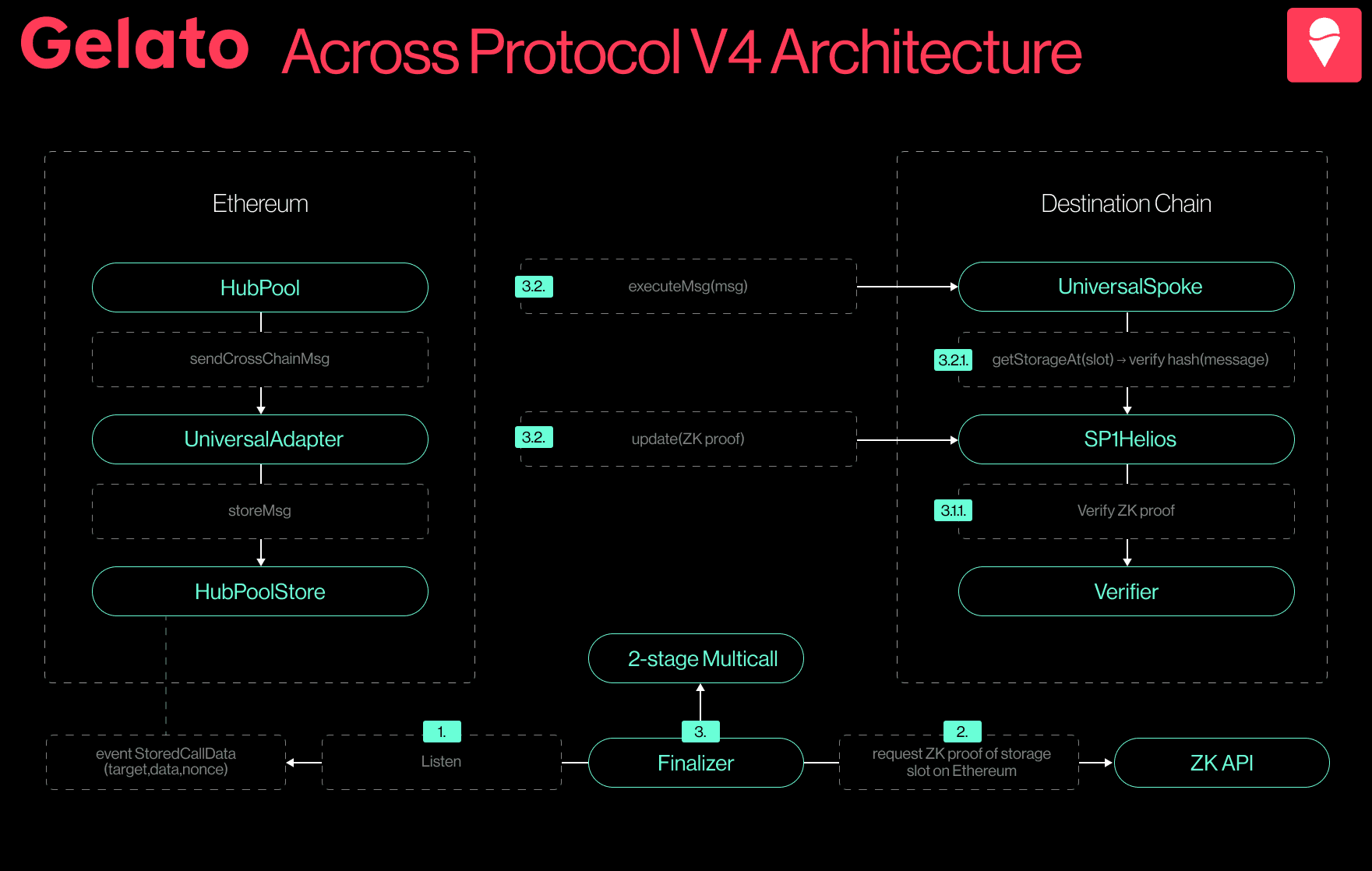
Omnichain UX relies on a specialized infrastructure layer that decouples message passing from asset settlement. Rather than forcing users to navigate complex bridge interfaces, this architecture operates in the background, treating disparate blockchains as a single, unified liquidity pool. The result is an experience where the underlying technology becomes invisible to the end user.
LayerZero V2 exemplifies this approach through its Omnichain Mesh Network. Instead of relying on a single centralized router, the protocol distributes trust across a network of independent oracle and relayer nodes. This decentralization ensures that transaction validity is verified without a single point of failure, allowing assets to move between chains with cryptographic certainty rather than trust assumptions.
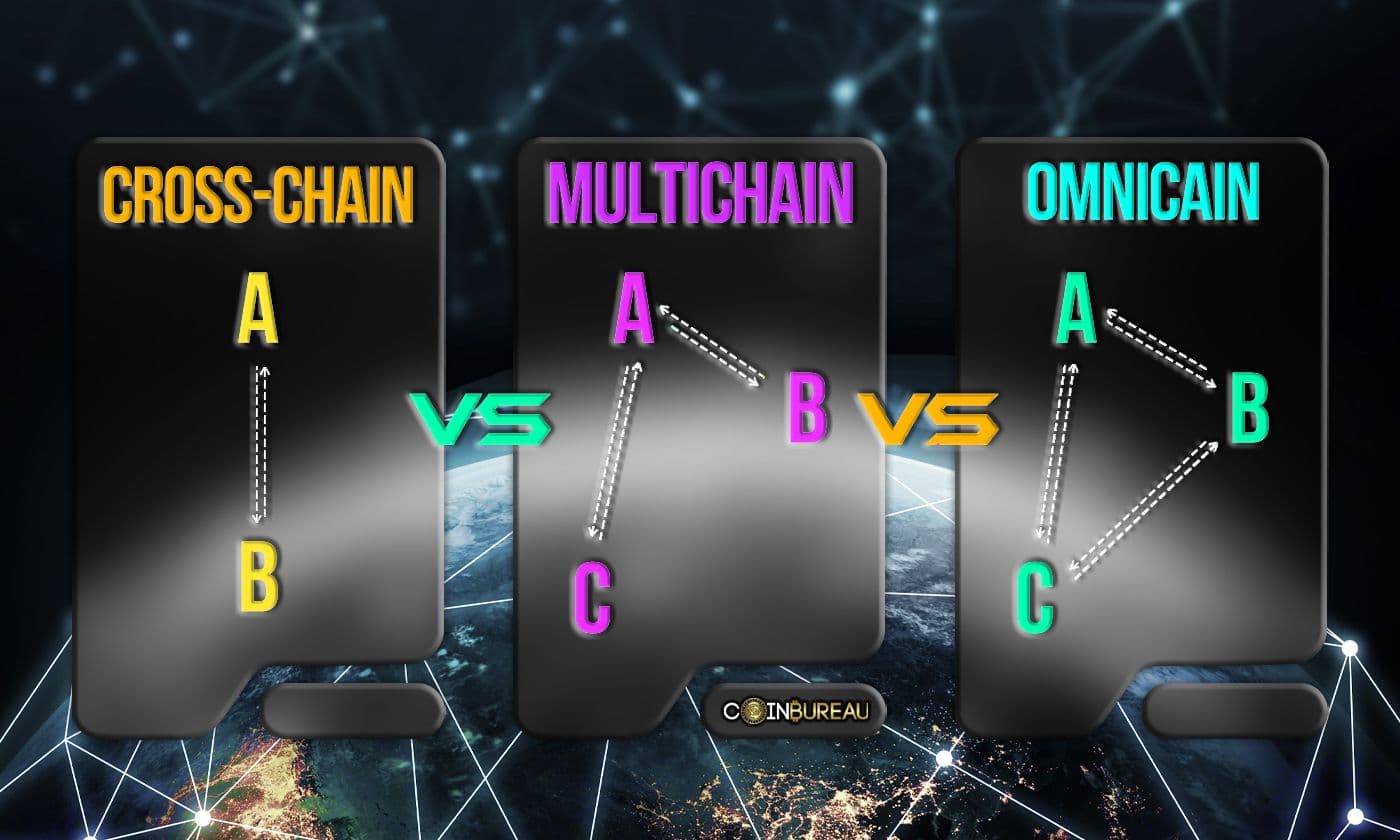
From a market analysis perspective, this technical shift reduces friction and counterparty risk. When users no longer need to manually approve transactions on multiple chains or worry about bridge exploits, adoption barriers drop significantly. The protocol handles the routing, verification, and finality, presenting the user with a single, seamless interaction.
Market leaders in omnichain interfaces
The current landscape of omnichain UX is defined by platforms that prioritize "intent-based" interactions. Rather than forcing users to manage bridges, gas tokens, and manual approvals across different networks, these leaders abstract the underlying complexity. The user experience resembles a single, unified application, even though the backend executes transactions across multiple distinct blockchains.
LayerZero Scan serves as a primary example of this architectural shift. By functioning as an omnichain blockchain explorer, it provides a unified view of cross-chain activity. This tool allows users and developers to trace transactions seamlessly, demonstrating how visibility is a critical component of trust in a fragmented ecosystem. The interface consolidates data from various chains into a single, coherent narrative, reducing the cognitive load typically associated with multi-chain operations.
Beyond explorers, DeFi platforms are integrating omnichain capabilities directly into their core products. Recent updates in the space, such as those seen in RUJI Network, highlight a broader industry move toward chain abstraction. These platforms are redesigning their onboarding flows to handle asset deposits and swaps across chains automatically. The goal is to make the underlying blockchain infrastructure invisible to the end user, allowing them to focus on financial outcomes rather than technical logistics.
| Platform | UX Focus | Key Feature |
|---|---|---|
| LayerZero Scan | Transparency | Unified cross-chain explorer |
| RUJI Network | DeFi Abstraction | Automated cross-chain swaps |
| YouCoin | Omnichain Web | Blueprint for unified architecture |
Design patterns for unified assets
The 2026 standard for omnichain UX relies on abstracting the underlying blockchain infrastructure so users interact with a single, unified interface. Rather than managing distinct tokens for each network, the system leverages chain abstraction to facilitate seamless interaction, data transfer, and transaction settlement across disparate ledgers. This approach transforms the user experience from a fragmented series of manual bridging operations into a fluid, continuous flow of value.
Single-wallet interactions
Users no longer need to select a specific network or hold native gas tokens for every chain they wish to use. A single wallet address serves as the entry point for all assets, regardless of their origin. The interface automatically detects the user’s preferred chain and handles the necessary routing in the background. This reduces cognitive load and eliminates the friction of switching between multiple wallets or dApp interfaces.
Automatic asset wrapping
When an asset moves from one chain to another, the system automatically handles the wrapping and unwrapping process. Users do not need to manually convert ETH to wETH or bridge assets through third-party protocols. The transaction logic manages these conversions invisibly, ensuring that the user receives the liquid, usable form of the asset on the destination chain. This automation is critical for maintaining the speed and simplicity expected in modern financial applications.
Unified liquidity pools
Liquidity is aggregated across multiple chains, creating a deep, shared pool of capital. Smart contracts route orders to the most efficient path, ensuring the best execution price without the user needing to understand the underlying mechanics. This unified liquidity model prevents fragmentation and ensures that large transactions do not suffer from significant slippage, a common issue in siloed chain environments.
Security and trust in abstraction
Cross-chain transactions carry inherent risks that traditional single-chain environments do not. Bridge hacks accounted for over $2 billion in losses between 2022 and 2023, a figure that underscores the high-stakes nature of interoperability [src-serp-3]. These failures often stem from user error or vulnerable smart contract architectures, making security the primary barrier to mainstream adoption.
Omnichain UX mitigates these risks by abstracting the complexity of routing and bridging. Instead of manually selecting networks and approving multiple transactions, users interact with a single interface that handles the underlying logistics. This reduces the attack surface for phishing and misrouting, ensuring that assets move securely across chains without exposing users to common pitfalls.
The shift toward omnichain standards prioritizes protocol-level security over user responsibility. By embedding trust into the infrastructure, developers can offer seamless experiences without compromising on safety. This approach aligns with the growing demand for reliable, institution-grade interoperability solutions.
Common questions about omnichain UX
Users often ask how omnichain design handles the friction of multi-chain transactions. The core benefit is chain abstraction: the interface manages the routing and settlement logic behind the scenes. You interact with a single dApp interface regardless of which underlying blockchain holds your assets or processes the transaction.
Do I need to hold native tokens for every chain?
No. Omnichain protocols typically handle the necessary bridging and gas payment internally. You might pay fees in a single stablecoin or the native token of the chain you are currently interacting with, rather than maintaining balances on multiple networks. This simplifies portfolio management and reduces the risk of running out of gas on a destination chain.
How does gas fee abstraction work?
Gas abstraction means the protocol sponsors or covers the transaction fees on the destination chain. For the user, the cost is often bundled into the exchange rate or displayed as a single total cost in the primary asset. This removes the need to source specific tokens for every network, making cross-chain swaps feel like local transactions.
Is omnichain UX secure?
Security relies on the underlying interoperability protocol, such as LayerZero, which uses a decentralized oracle and executor network to verify messages. While the user experience is simplified, the security model shifts from trusting a single bridge contract to trusting the protocol's consensus and verification mechanism. Always verify the specific protocol's audit status and staking requirements.
No comments yet. Be the first to share your thoughts!