
In the bustling multichain ecosystem, where Layer-2 and Layer-3 solutions promise scalability but deliver headaches, users juggle wallets, bridges, and gas tokens like a circus act gone wrong. Ethereum hovers at $1,850.42, down slightly by $183.75 over the last 24 hours, yet its L2s and L3s fragment liquidity and complicate every DeFi swap or NFT mint. Chain abstraction routers step in as the quiet fixers, promising unified UX across L2s and L3s without users noticing the chainsaw juggling beneath the surface.
The Hidden Costs of Chain Fragmentation
Picture this: you spot a yield farm on an Optimism L2 offering juicy APYs, but your funds sit on Arbitrum. Bridging takes hours, fees eat profits, and you need native gas tokens on both sides. This is the daily grind for DeFi users, amplified by L3s nesting atop L2s for hyper-specialized scaling. Liquidity splinters, apps stay siloed, and newcomers bail before their first transaction confirms.
Modularity fueled this explosion - Ethereum's rollups hit over 50 active ones, per recent tallies - but without glue, it's chaos. Chain fragmentation fix isn't just nice-to-have; it's survival. Projects like Particle Network and NEAR Protocol spotlight how accounts and assets scatter across chains, demanding manual wrangling that scares off mainstream adoption.
Chain Abstraction Routers: The UX Unifiers
At their core, chain abstraction routers abstract away the blockchain plumbing. Users issue high-level intents - "swap this for that at best price" - and routers handle the cross-chain magic: routing via solvers, bundling transactions, even sponsoring gas. No more wallet-switching or bridge-hunting; one account rules them all.
Chain abstraction shields users from multiple network complexities, eliminating manual bridging needs.
Take Particle Network: their stack unifies dApps across chains with a single account. Or NEAR's intent-centric approach, where solvers compete to fulfill your wishes optimally. These aren't repackaged intents; they're evolutions. Intents provide the "what, " routers the "how" across L2s and L3s.
Intents-Based Protocols Powering Seamless Omnichain Flows
Intents-based protocols form the brain of these routers. Unlike rigid transactions, intents declare outcomes - "get me USDC on Base from ETH on Polygon" - letting networks of validators or solvers optimize paths. Anoma, Aethos, and Everclear demo this in action, removing UX friction that modularity baked in.
Optimism's Superchain illustrates L2 interoperability dreams, sharing security while routers knit L3s into the fold. Yet challenges linger: security in solver trust, standard gaps causing silos. I see routers bridging this, fostering omnichain UX solutions where liquidity pools feel native everywhere.
Blockworks nails it - chain abstraction decouples UX from infra, making fragmented chains feel like one. But routers elevate this, actively routing value intelligently. As ETH dips to $1,850.42 from a 24-hour high of $2,039.75, savvy builders eye abstraction to capture liquidity rebounds across rollups.
Ethereum (ETH) Price Prediction 2027-2032
Predictions driven by chain abstraction innovations addressing L2/L3 fragmentation and enhancing seamless user experience
| Year | Minimum Price | Average Price | Maximum Price | YoY % Change (Avg from Prior Year) |
|---|---|---|---|---|
| 2027 | $3,000 | $4,500 | $6,500 | +29% |
| 2028 | $3,800 | $6,000 | $9,000 | +33% |
| 2029 | $5,000 | $8,000 | $12,500 | +33% |
| 2030 | $6,500 | $10,500 | $16,500 | +31% |
| 2031 | $8,500 | $14,000 | $22,000 | +33% |
| 2032 | $11,000 | $18,500 | $28,000 | +32% |
Price Prediction Summary
Ethereum is projected to see strong upward trajectory from 2027-2032, with average prices rising from $4,500 to $18,500, fueled by chain abstraction routers that unify L2/L3 ecosystems, boost adoption, and resolve fragmentation issues. Minimum prices reflect bearish scenarios like regulatory hurdles, while maximums capture bullish adoption surges. Projections assume ~30% annual CAGR, grounded in current $1,850 baseline, short-term targets ($3,500 by end-2026), and historical market cycles.
Key Factors Affecting Ethereum Price
- Chain abstraction and intents protocols (e.g., Particle Network, NEAR) improving multi-chain UX
- L2/L3 proliferation (e.g., Optimism Superchain) driving Ethereum ecosystem liquidity and TVL
- Resolution of fragmentation via unified standards and routers
- Bullish market cycles with institutional adoption post-2026 recovery
- Regulatory clarity enabling Web3 growth
- Technological advancements in interoperability amid competition from modular L1s
Disclaimer: Cryptocurrency price predictions are speculative and based on current market analysis. Actual prices may vary significantly due to market volatility, regulatory changes, and other factors. Always do your own research before making investment decisions.
Real-world wins emerge: LI. FI's intents-chain abstraction primer shows swaps oblivious to chains. Particle's multi-faceted report compares account unifiers, spotlighting routers' edge in execution. This isn't hype; it's the stack fixing crypto's UX Achilles heel.
Particle Network stands out by treating chain abstraction as its bedrock, letting one account power dApps across dozens of supported chains. No more fragmented wallets or asset silos; it's a unified dashboard where your ETH on Ethereum flows effortlessly to an L3 yield optimizer. NEAR Protocol pushes boundaries with intent solvers that auction off execution, ensuring best prices even as ETH lingers at $1,850.42 amid market jitters.
Key Players Shaping the Chain Abstraction Stack
Builders flock to these protocols for their developer-friendly kits. Particle's modular components let you plug in universal accounts, while NEAR's intent framework abstracts gas and bridging entirely. Optimism's Superchain adds Ethereum-aligned security, but routers like these make L2-L3 handoffs invisible. I reckon this combo - intents declaring desires, routers fulfilling them - crushes fragmentation better than bridges ever could.
Bridges vs. Intent-Based Routers: How Intents Crush Fragmentation for Seamless Chain Abstraction (Insights from Anoma, Aethos, Everclear)
| Aspect | Traditional Bridges ❌ | Intent-Based Routers ✅ |
|---|---|---|
| User Experience | Manual steps: switch wallets, manage gas tokens, multi-chain txs | Single intent: seamless UX across L2/L3, no bridging hassle |
| Liquidity Fragmentation | Siloed pools, inefficient multi-hop swaps | Unified aggregation: solvers route optimal paths, crush silos |
| Execution | User-managed, sequential txs prone to failure | Atomic fulfillment: solvers compete to execute intents reliably |
| Security Risks | Frequent hacks (historical $2B+ losses) | Verifiable proofs, decentralized solvers minimize custody risks |
| Interoperability | Limited pairs, chain-specific | Universal L2/L3 abstraction: any-to-any seamless |
| Expert Insights | Fragmented UX persists (Particle Network, Blockworks) | Intents enable true ChA: Anoma (solver nets), Aethos (abstraction), Everclear (clearing) |
Intents aren't just buzz; they're the user declaration of victory over complexity. Declare "maximize my yield across L2s, " and solvers scramble: bundling txs, sourcing liquidity from Arbitrum to Base, even covering fees. This shines in DeFi, where chain fragmentation fix means pooled liquidity feels omnipresent, not chain-locked.
Yet, the road isn't smooth. Security hinges on solver honesty - what if they front-run? Standards fragmentation breeds incompatible stacks, stalling adoption. Blockworks highlights these hurdles, urging unified protocols. My take: hybrid models, blending on-chain verification with off-chain optimization, will prevail. Projects auditing solvers rigorously, like those in Particle's landscape report, build trust incrementally.
Core Benefits of Chain Abstraction Routers
- Single Account Across L2s/L3s: Use one unified account for all chains, like Particle Network's solution, to interact with dApps seamlessly without managing multiple wallets.
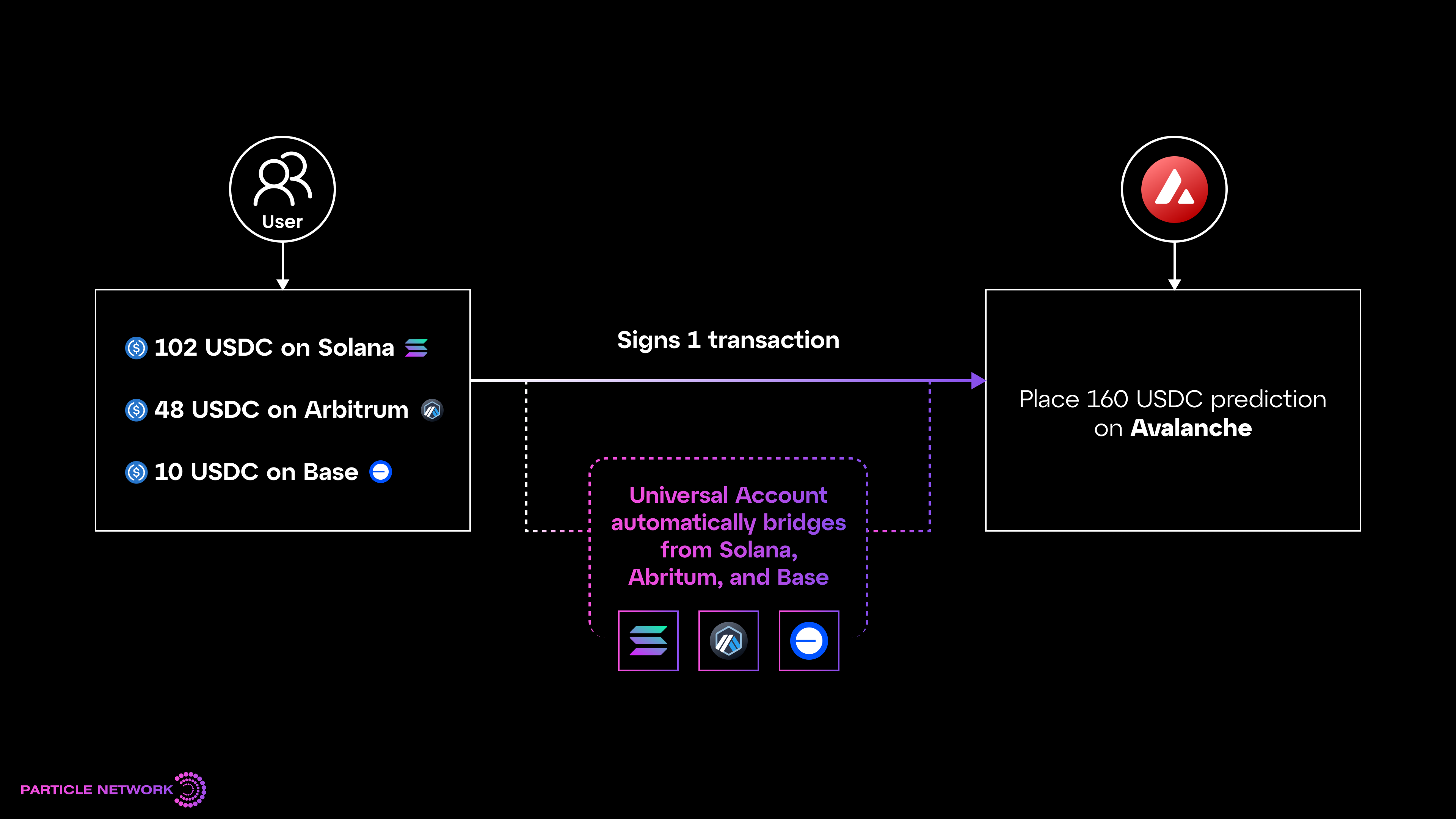
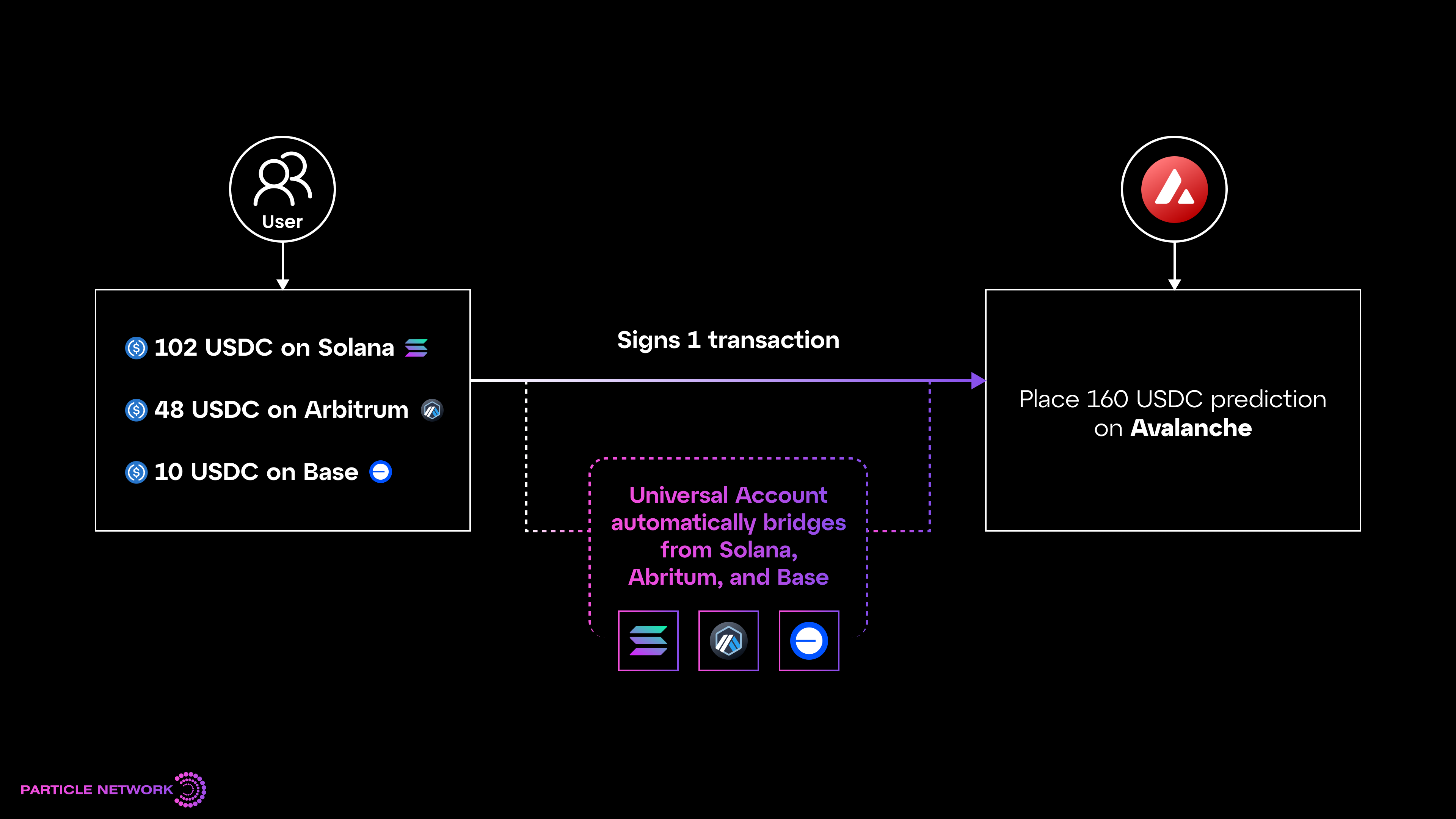
- Automated Bridging and Gas: Routers automatically handle asset bridging and gas payments across chains, hiding complexity from users as in NEAR Protocol's intents.
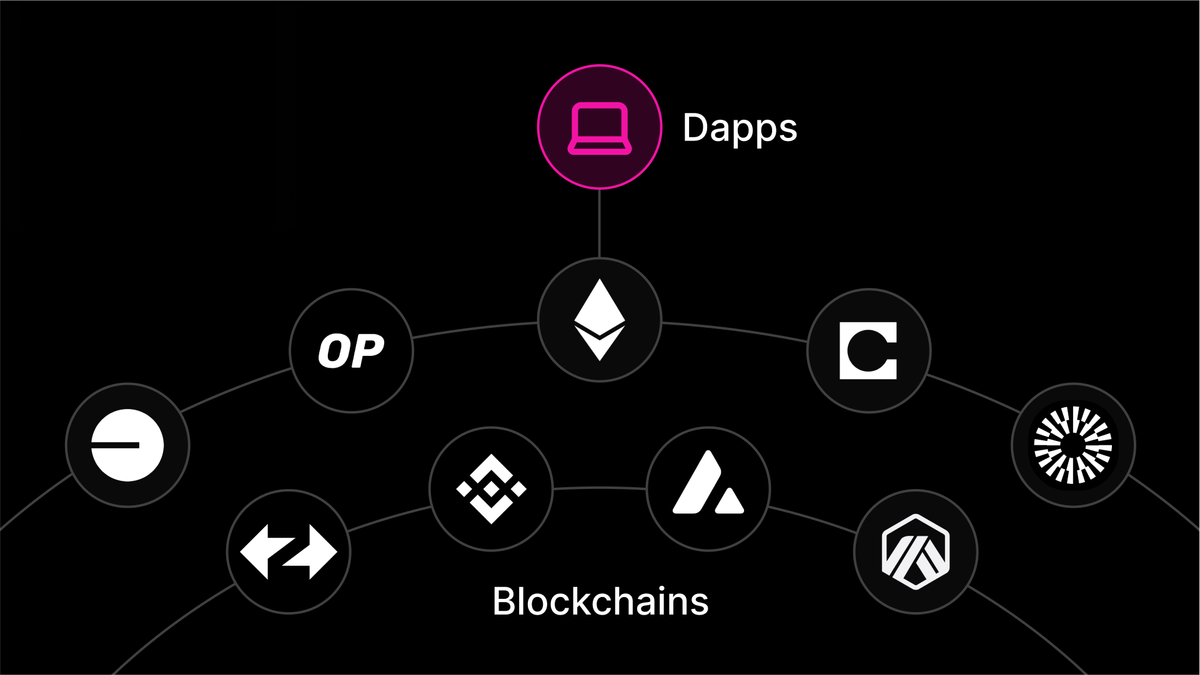
- Optimized Cross-Chain Swaps: Perform efficient swaps with minimal fees and slippage by leveraging unified protocols like Optimism Superchain.

- Unified Liquidity Access: Access aggregated liquidity from L2s/L3s as a single pool, reducing fragmentation per Blockworks insights.

- Developer SDKs for Easy Integration: Integrate via simple SDKs from projects like Particle Network for quick dApp cross-chain support.
For developers, this means dApps that scale without UX trade-offs. Embed a router SDK, and your app auto-routes intents across ecosystems. Users win bigger: no more 30-minute bridge waits when ETH dips from $2,039.75 highs to $1,850.42 lows, missing arb ops. Omnichain UX turns crypto into something intuitive, like Venmo on steroids.
Real-World Applications and Adoption Trends
LI. FI exemplifies intents chaining abstraction for swaps that ignore network boundaries. Mint Ventures frames it via problem-solving: L1s like NEAR tackle full-stack unification. Tiger Research praises Particle's vision - shielding users from multi-chain toil. As L3s proliferate for app-specific scaling, routers ensure they don't spawn new UX nightmares.
Adoption surges quietly. DeFi TVL rebounds hinge on this; fragmented liquidity starves yields. With ETH at $1,850.42 testing support near $1,841.05 lows, abstraction routers position protocols to capture flows seamlessly. Imagine NFT drops on L3s accessible from any wallet - no chain hunts required.
Looking ahead, chain abstraction routers evolve into intent marketplaces. Solvers specialize - some gasless, others MEV-aware - competing for your business. Unified standards, perhaps Ethereum-led, will knit Superchains with outsiders. This isn't repackaged hype; it's the pragmatic glue for a modular world.
For builders, start simple: integrate Particle or NEAR kits today. Users, demand apps with unified UX L2 L3 - it's coming fast. As fragmentation fades, Web3 sheds its training wheels, inviting billions without the tech overwhelm. That's the quiet revolution brewing under the hood.



No comments yet. Be the first to share your thoughts!