

In the sprawling ecosystem of Layer 2 and Layer 3 networks, users grapple with a fragmented experience that demands juggling multiple wallets, gas tokens, and bridges. Chain abstraction routers emerge as a beacon, leveraging intents-based protocols to deliver unified UX across L2s and L3s. These sophisticated systems allow users to declare desired outcomes, like swapping assets across chains, while routers handle the orchestration behind the scenes. This shift from rigid transactions to flexible intents promises omnichain UX solutions that mask blockchain complexities, fostering true scalability in decentralized finance.
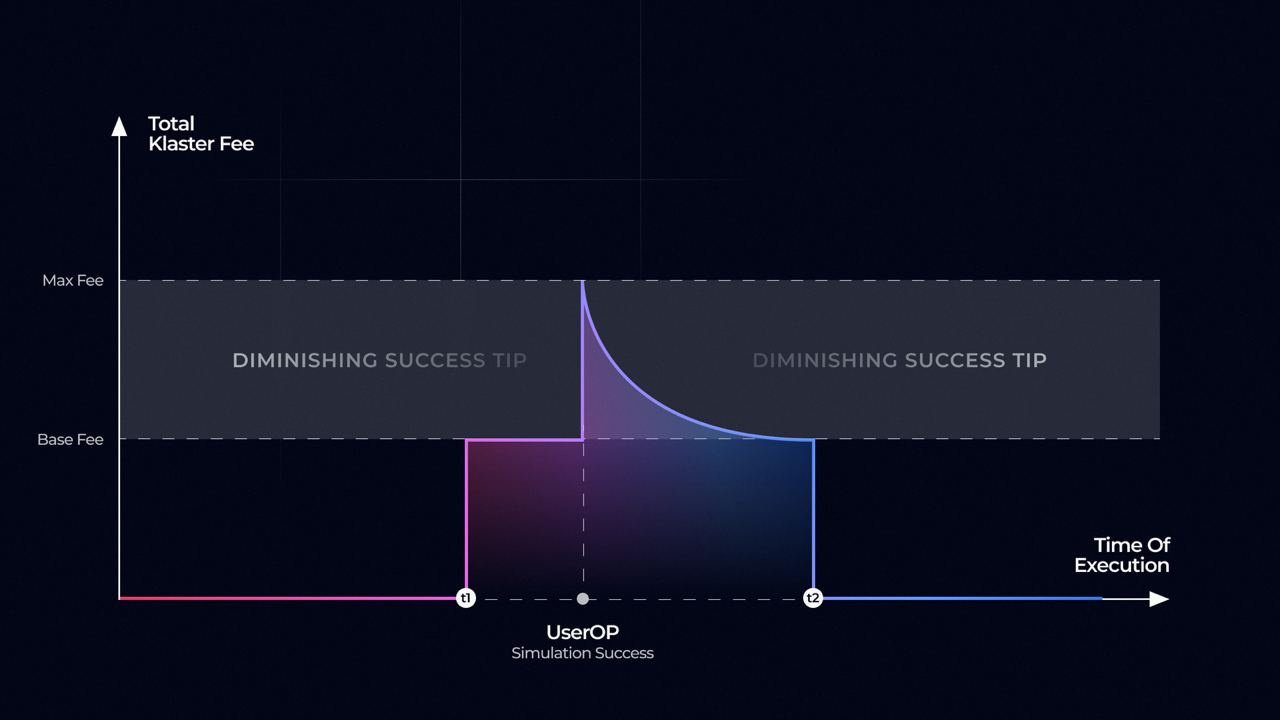
The promise of Ethereum's rollups and app-specific chains has unleashed innovation, yet it has also amplified user friction. Switching between Optimism, Arbitrum, or emerging L3s requires manual bridging, native token swaps for gas, and constant signature approvals. From a fundamental standpoint, this fragmentation erodes protocol adoption. Chain abstraction routers, as cross-chain routers for L2 L3, address this by abstracting away chain-specific details. They interpret user intents through solver networks that compete to execute outcomes optimally, often at lower costs and higher speeds.
Decoding Intents: From User Desire to Blockchain Reality
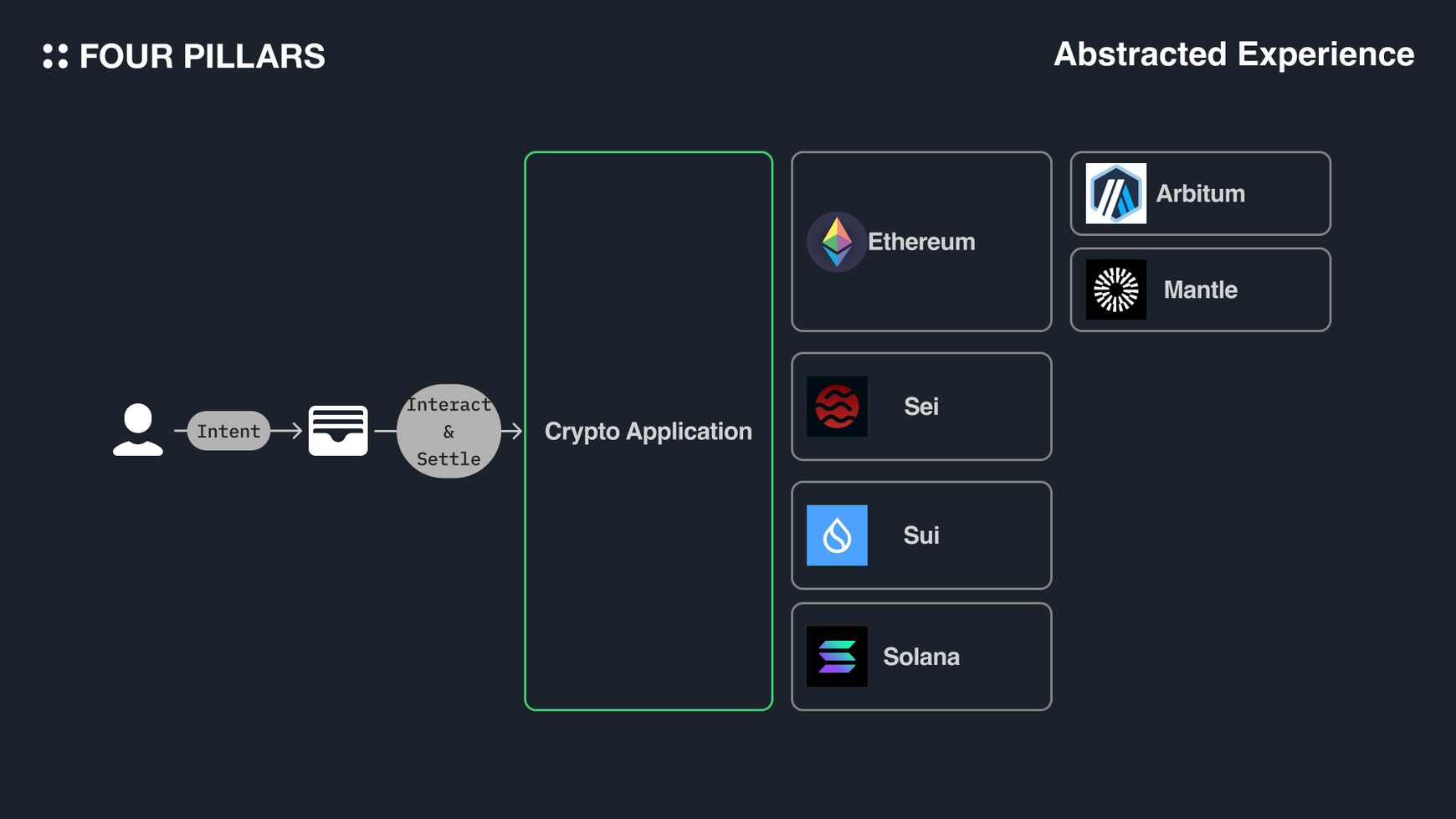
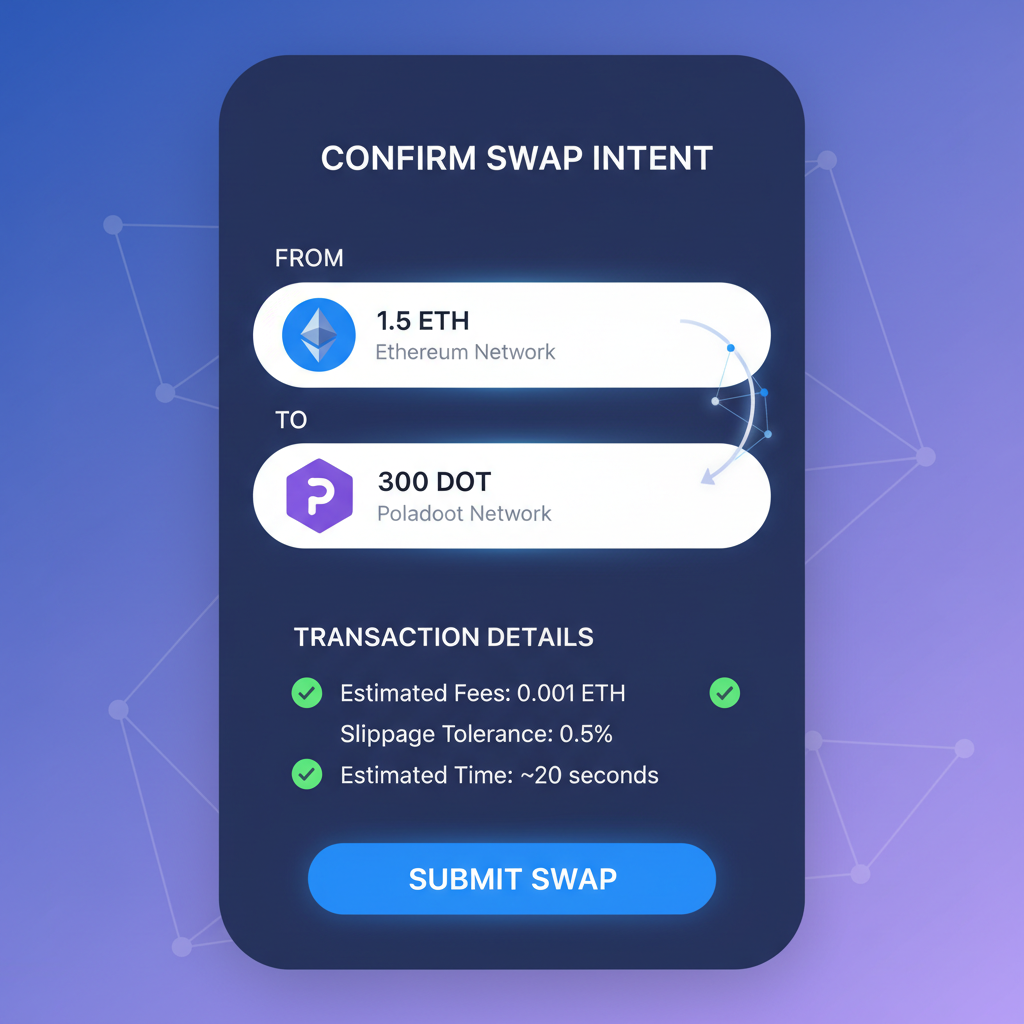
At their core, intents represent a paradigm shift. Traditional transactions specify every step: approve, swap, bridge, pay gas. Intents, however, simply state the end goal, such as "swap 1 ETH on Arbitrum for USDC on Base. " Solvers then bid to fulfill this, using liquidity pools, MEV strategies, or proprietary capital. This model draws from ERC-4337 account abstraction and extends it omnichain, enabling chain abstraction routers to route intents across disparate networks seamlessly.
Consider the mechanics: an intent is broadcast to a marketplace where decentralized solvers analyze feasibility. They bundle operations into atomic bundles, settling on the destination chain while reimbursing via relayers. This not only unifies UX but introduces economic incentives for efficiency. Protocols like those in the updated landscape prioritize security through verifiable proofs and economic game theory, mitigating risks inherent in cross-chain ops.
Key Features of Intents-Based Protocols
- User-Centric Outcomes: Users express intents for desired results, not step-by-step transactions, as in Across V3 intents-driven protocol.
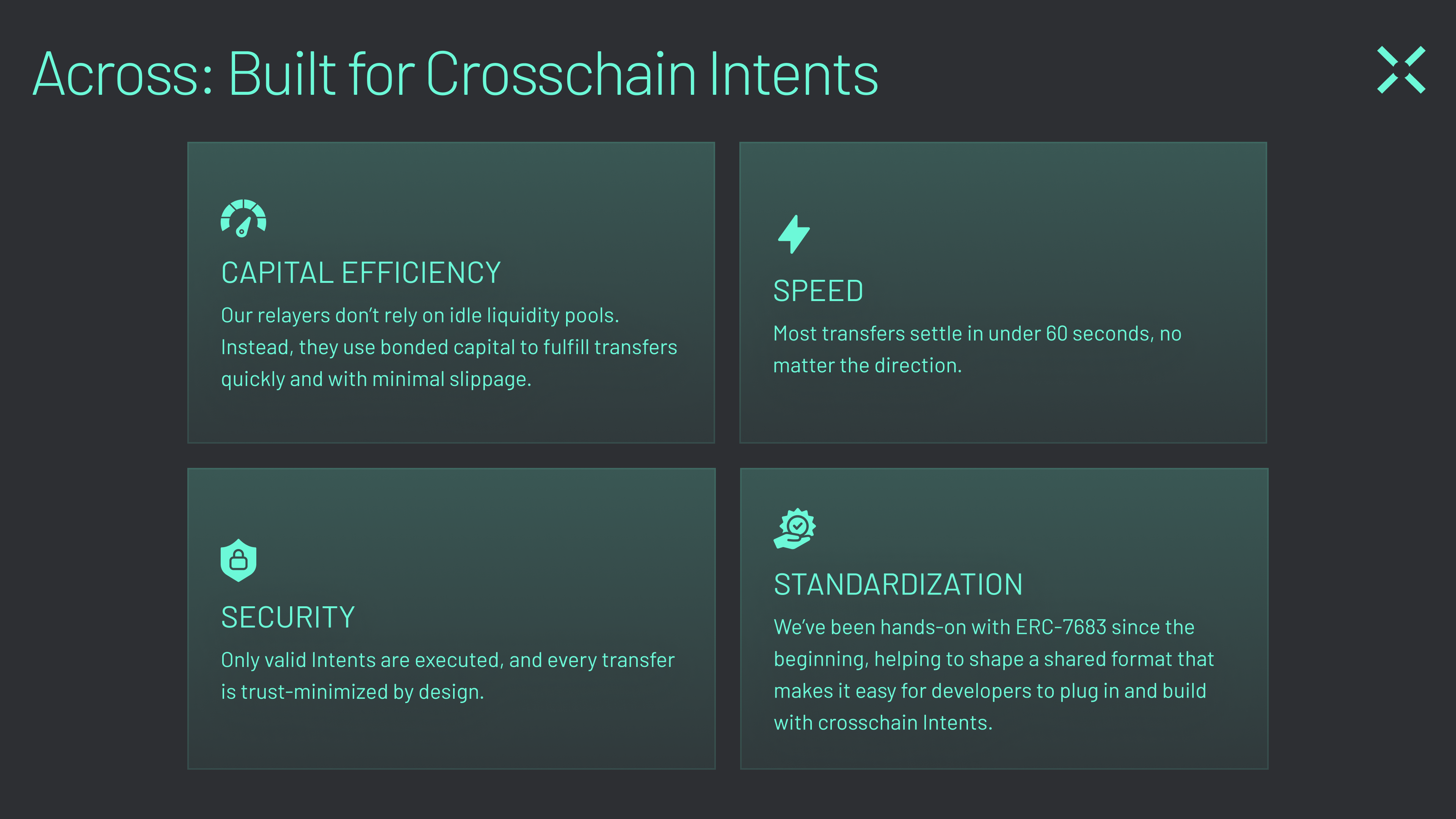
- Solver Competition: Solvers compete for optimal execution of intents, improving speed and cost, featured in Self Chain.
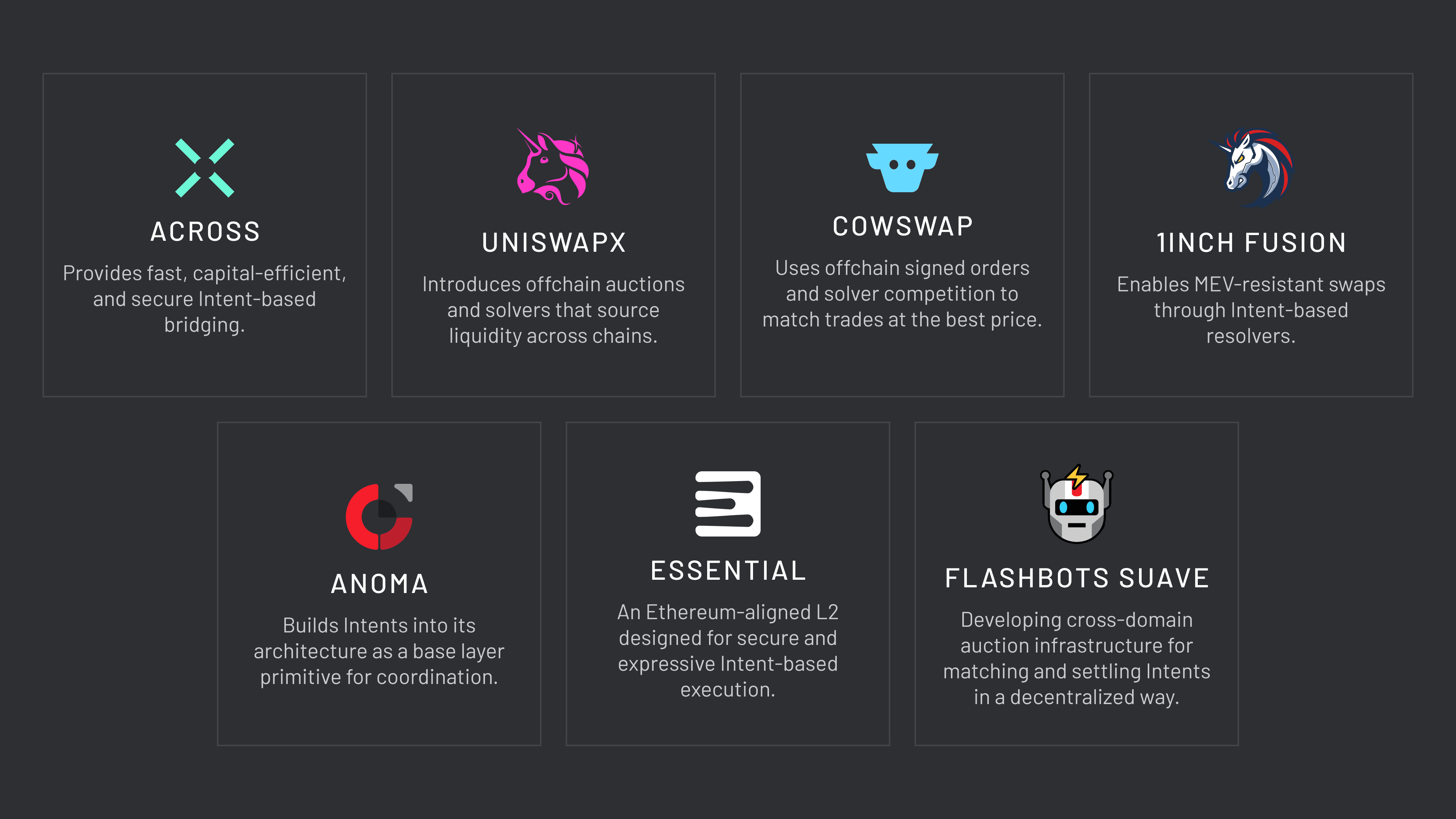
- Gas and Bridge Abstraction: Hides gas payments and bridging complexities from users, via Across Protocol invisible bridging.
- Unified Account Support: Single smart account across chains, eliminating multi-wallet management, as in ZeroDev and Particle Network.
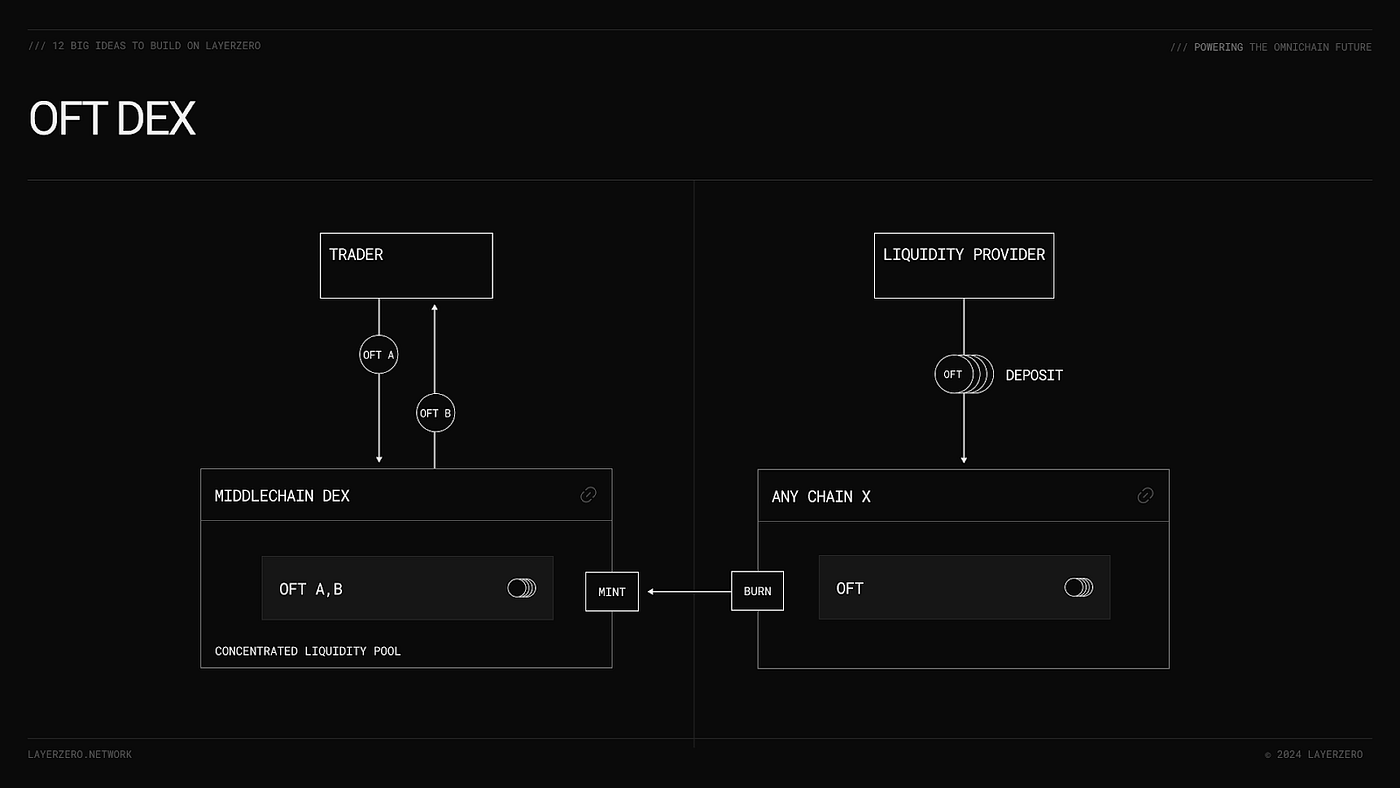
- Scalable Omnichain Liquidity: Facilitates seamless liquidity across L2/L3 without fragmentation, enabled by Singularity Protocol cross-chain AMMs.
Self Chain and ZeroDev: Pioneering Unified Accounts
Self Chain stands out with its intent-centric framework, designed explicitly for seamless dApp interactions across blockchains. By centering on user intents, it abstracts technical hurdles, presenting developers and users with a singular interface. This aligns with conservative investment theses: protocols that reduce UX barriers capture outsized TVL growth. Early metrics suggest Self Chain's approach could consolidate liquidity, much like how L2 aggregators dominated pre-abstraction era.
Complementing this, ZeroDev delivers chain abstraction via single smart accounts spanning multiple chains. No more juggling wallets or gas tokens; one account suffices. This unified account layer, a cornerstone of chain abstraction routers, streamlines onboarding and retention. In my analysis, such solutions echo traditional finance's account portability, bridging Web2 expectations with Web3 realities.
Invisible Bridging and Beyond: Across Protocol's Edge
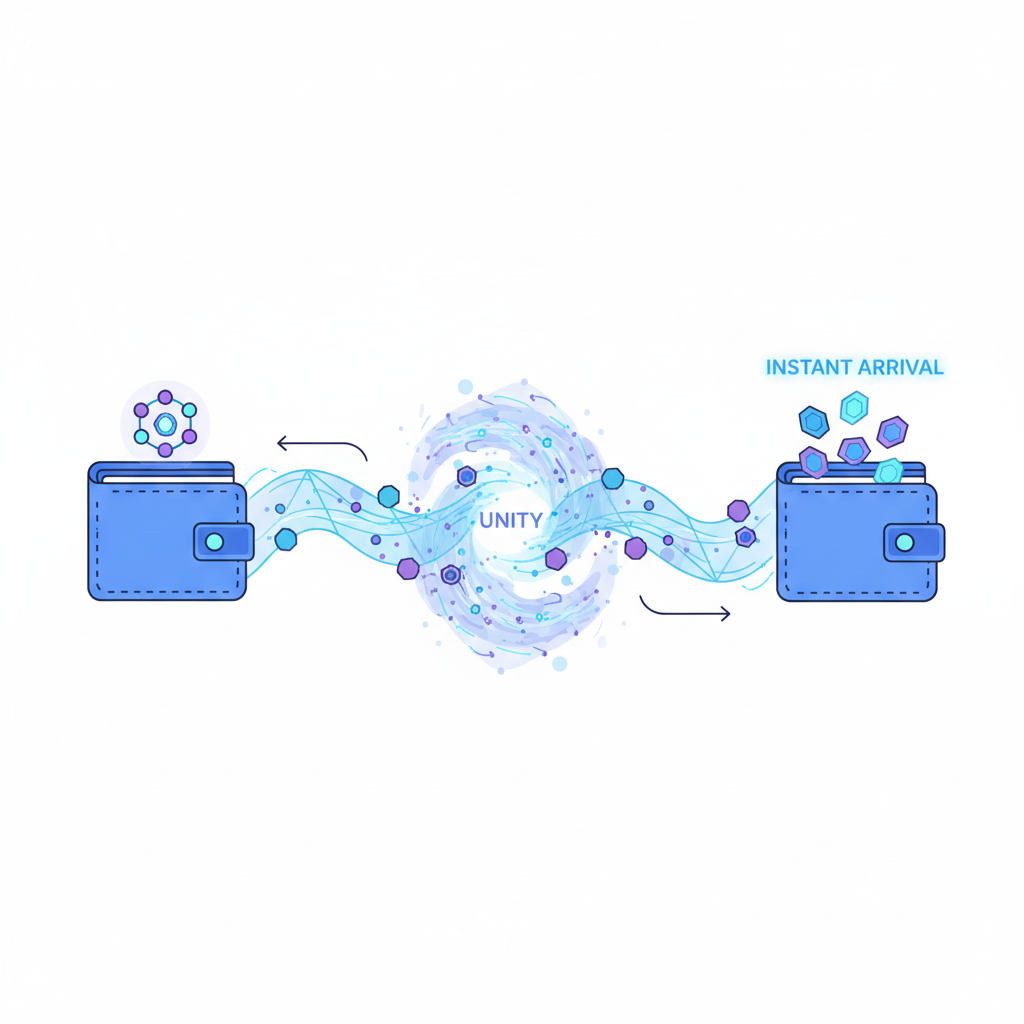
Across Protocol redefines cross-chain with 'bridge abstraction, ' where apps automate transitions invisibly to users. Intents drive solvers to front capital for instant fills, settling later via optimistic mechanisms. This velocity addresses a critical pain: bridging delays that plague DeFi. In fragmented L2/L3 landscapes, such intents-based protocols position themselves as indispensable middleware.
Layered on top, research into Cross-Chain Channel Networks (CCN) proposes decentralized multi-hop paths with privacy safeguards. Meanwhile, the Omnichain Web framework unifies settlement layers, optimizing liquidity flows. Singularity Protocol's bridgeless AMMs further fragment-proof liquidity, executing swaps natively across chains. Together, these form a robust ecosystem of omnichain UX solutions, where chain abstraction routers orchestrate harmony amid diversity.
Fundamentally, these innovations demand scrutiny on solver centralization risks and oracle dependencies. Yet, their traction signals a maturing multichain future, where unified UX isn't aspirational but operational.
Evaluating these chain abstraction routers through a fundamental lens reveals varying risk-reward profiles. Self Chain's intent-centric design excels in developer adoption potential, scoring high on composability metrics, while ZeroDev's smart account unification minimizes user error vectors, a conservative bet for retention-driven growth. Across Protocol's solver model, however, introduces capital efficiency gains but warrants caution on reimbursement failure rates during volatility spikes.
Protocol Showdown: Metrics That Matter for L2 L3 Routers
Dissecting intents-based protocols requires quantifiable benchmarks: total value locked (TVL), cross-chain volume, solver uptime, and latency reductions. Emerging data positions these players as frontrunners in delivering unified UX L2 L3. Self Chain prioritizes atomic execution guarantees, ZeroDev emphasizes gasless universality, and Across focuses on sub-minute fills. Research-backed frameworks like CCN add privacy layers, potentially elevating baseline security, whereas Omnichain Web's settlement unification could standardize liquidity routing across L3 nests.
Comparison of Chain Abstraction Routers
| Project | Core Focus | Key Features | Main Benefits | Reference |
|---|---|---|---|---|
| Self Chain | Intent-centric framework | High composability, abstracts technical details | Seamless cross-chain dApp interactions | [selfchain.xyz](https://www.selfchain.xyz/chain-abstraction) |
| ZeroDev | Unified accounts | Single smart account, gas abstraction | Eliminates multiple wallets and gas tokens | [zerodev.app](https://zerodev.app/features/chain-abstraction) |
| Across | Invisible bridging | Automatic cross-chain operations, fast settlement | Bridge abstraction for enhanced usability | [across.to](https://across.to/blog/the-invisible-bridge-abstraction) |
| Singularity | Bridgeless AMMs | No intermediate tokens or bridges | Reduces liquidity fragmentation and risks | [arxiv.org](https://arxiv.org/abs/2505.24337) |
Singularity Protocol disrupts further by enabling direct cross-chain AMMs, sidestepping bridge vulnerabilities altogether. This bridgeless paradigm aligns with my thesis that cross-chain routers L2 L3 thrive on minimal trust assumptions. Investors should prioritize protocols with audited solver incentives and diversified relayer networks, as these underpin long-term dominance in fragmented scaling landscapes.
How Across Protocol Masters Chain Abstraction with Intents & Solver Capital


Risks and Resilience: Building Robust Omnichain UX
Centralization in solver pools poses the sharpest threat; a dominant actor could manipulate fills or extract undue MEV. Oracle risks amplify this, as price feeds underpin intent fulfillment. Conservative strategies favor protocols layering zero-knowledge proofs for verification, like those in CCN designs. Privacy-preserving multi-hop channels mitigate interception attacks, while Omnichain frameworks distribute settlement authority. In practice, hybrid models blending optimistic and ZK settling balance speed with assurance, a pragmatic path for omnichain UX solutions.
From 15 years tracking financial protocols, I observe parallels to high-frequency trading venues: efficiency begets liquidity flywheels, but lapses erode trust irreversibly. Chain abstraction routers must embed economic deterrence, such as slashing mechanisms for malicious solvers, to mirror TradFi clearinghouse standards.
Developers benefit immensely too. Unified environments let them deploy dApps agnostic to underlying chains, slashing iteration cycles. Particle Network's account-level unification, echoed in these leaders, foreshadows a developer flywheel where one codebase spans ecosystems. Intents evolve this further, offloading orchestration to specialized routers and unlocking agentic primitives for autonomous DeFi.
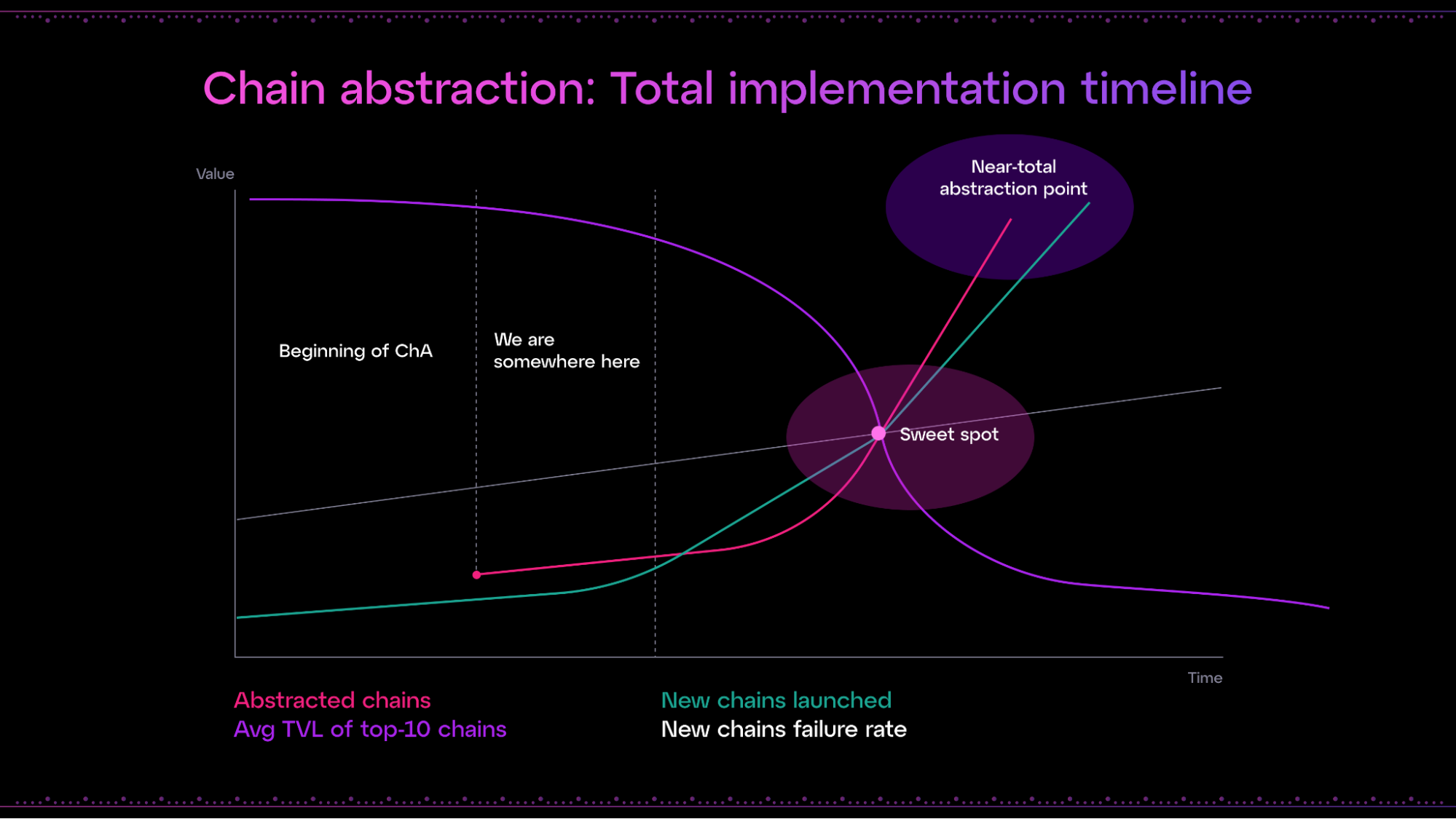
Looking ahead, EIP-7702 and ERC-4337 evolutions will turbocharge adoption, embedding intent support natively. As L3s proliferate, chain abstraction routers become non-optional infrastructure, routing intents across nested rollups with surgical precision. This maturity heralds Web3's inflection: users wielding power without wielding chains, protocols scaling through abstraction rather than raw throughput. The multichain mosaic coalesces into a singular canvas, rewarding patient builders with enduring network effects.




No comments yet. Be the first to share your thoughts!