
In the sprawling multichain ecosystem of 2026, where L2s and L3s proliferate like urban sprawl, users grapple with fractured liquidity pools, erratic gas fees, and the mental gymnastics of bridge-hopping. Chain abstraction routers emerge as the urban planners of Web3, orchestrating unified UX L2 L3 experiences that mask this chaos. Hyperbridge Intents v2 stands at the vanguard, redefining cross-chain liquidity routers through its sovereign intents framework. This isn't mere abstraction; it's a macro shift toward intent-centric protocols that let users declare outcomes while solvers handle the drudgery.

Hyperbridge's evolution reflects broader market dynamics. By late 2025, the protocol had processed over $300 million in volume, leveraging Polkadot's architecture for scalability. Sovereign Intents v2 introduces trustless cross-chain transactions where users specify desires without micromanaging execution. Cryptographic proofs underpin security, and permissionless refunds protect against solver failures, ditching off-chain trust and oracles entirely.
Navigating Multichain Fragmentation with Intents-Based Protocols
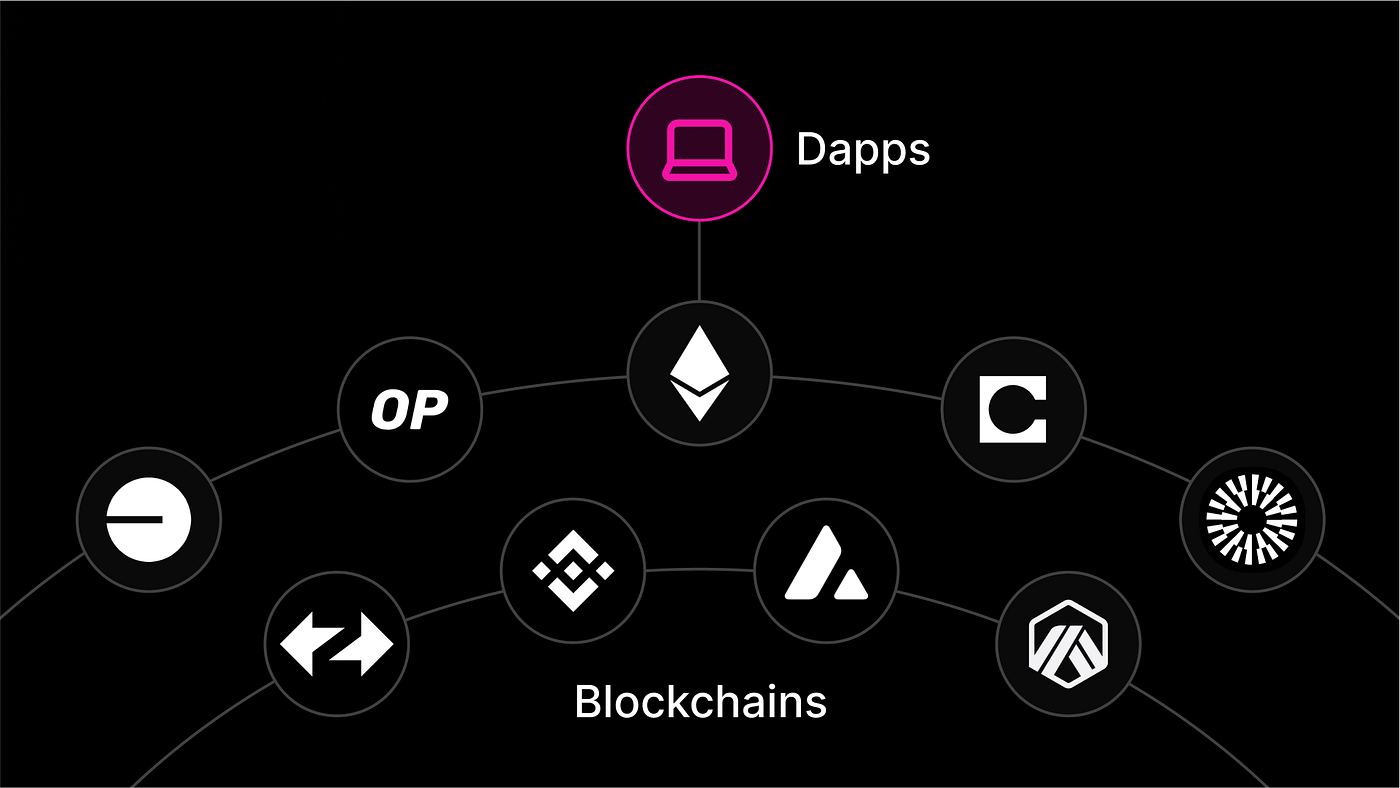
The multichain promise falters under its own weight: siloed balances demand constant chain-switching, liquidity splinters across ecosystems, and UX feels like assembling IKEA furniture blindfolded. Chain abstraction addresses this head-on, as BlockEden notes, delivering single-account addresses and unified balances with automatic routing. CoinGecko echoes that it tackles fragmentation in liquidity and user flows, paving the way for frictionless dApps.
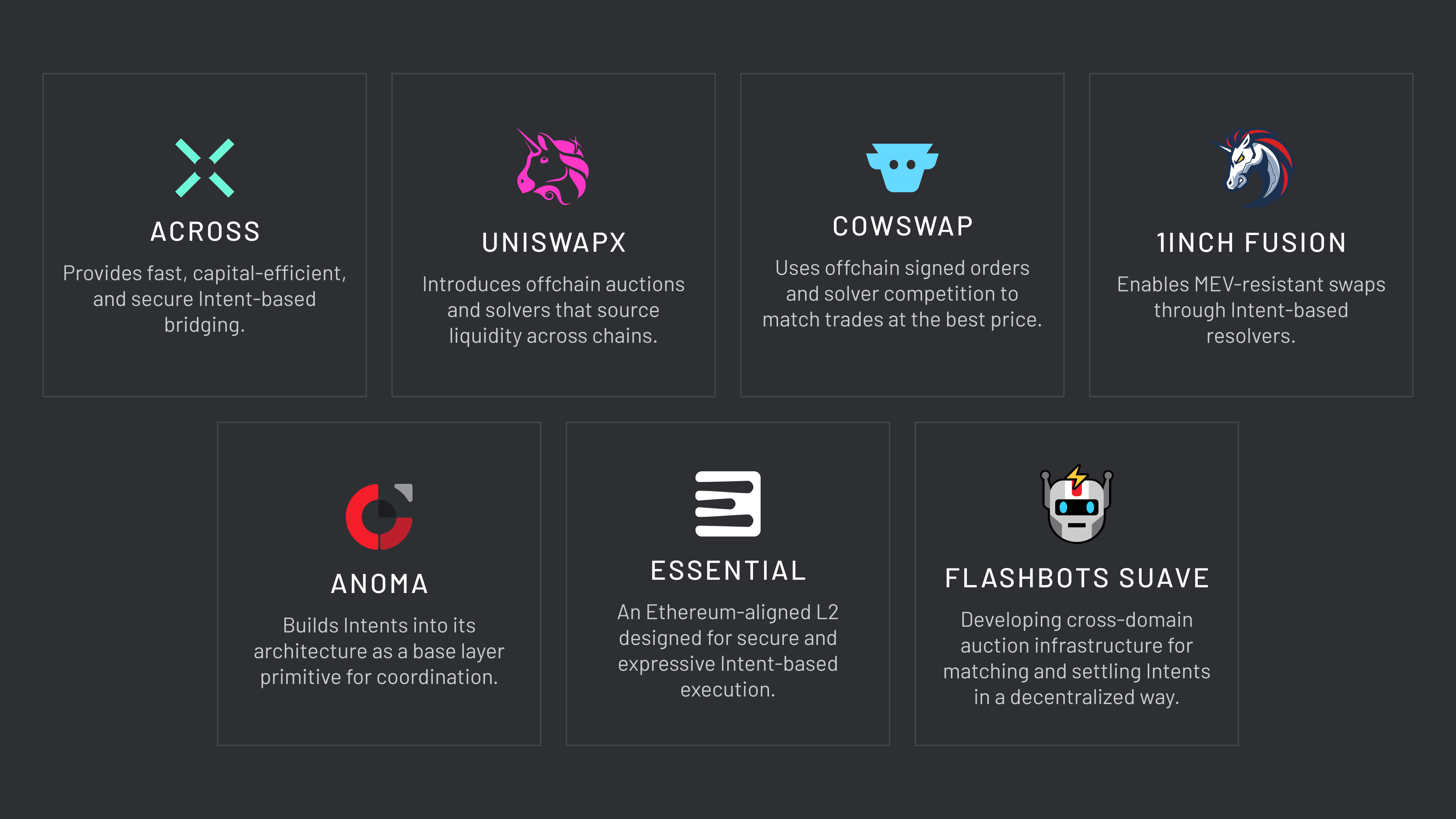
Intents-based protocols L2 L3 elevate this further. Unlike rigid transactions, intents express end-states, like "swap ETH on Ethereum for SOL on Solana": empowering solvers to optimize paths. Eco's 2025 guide spotlights leaders: Eco, UniswapX, CoW Protocol. Yet Hyperbridge distinguishes itself with sovereign economics, where LPs front liquidity on destination chains, rebalancing via intent fulfillment. Mapleblock Capital frames this as blockchain interoperability's future, countering modular chains' scalability pains.
Core Benefits of Chain Abstraction Routers
- Single Unified Balance across L2s/L3s: Users maintain one account address and balance, hiding chain complexity for superior UX. (BlockEden)
- Automatic Chain Routing & gas optimization: Intents route via optimal paths with built-in profitability estimation and gas efficiency. (Hyperbridge SDK)
- Trustless Intents with solver competition: Solvers compete using own capital for fast, cheap fulfillment via standards like ERC7683. (Archetype Fund)
- Permissionless Refunds for failed executions: Cryptographic proofs enable trustless refunds without off-chain trust. (Hyperbridge v2)
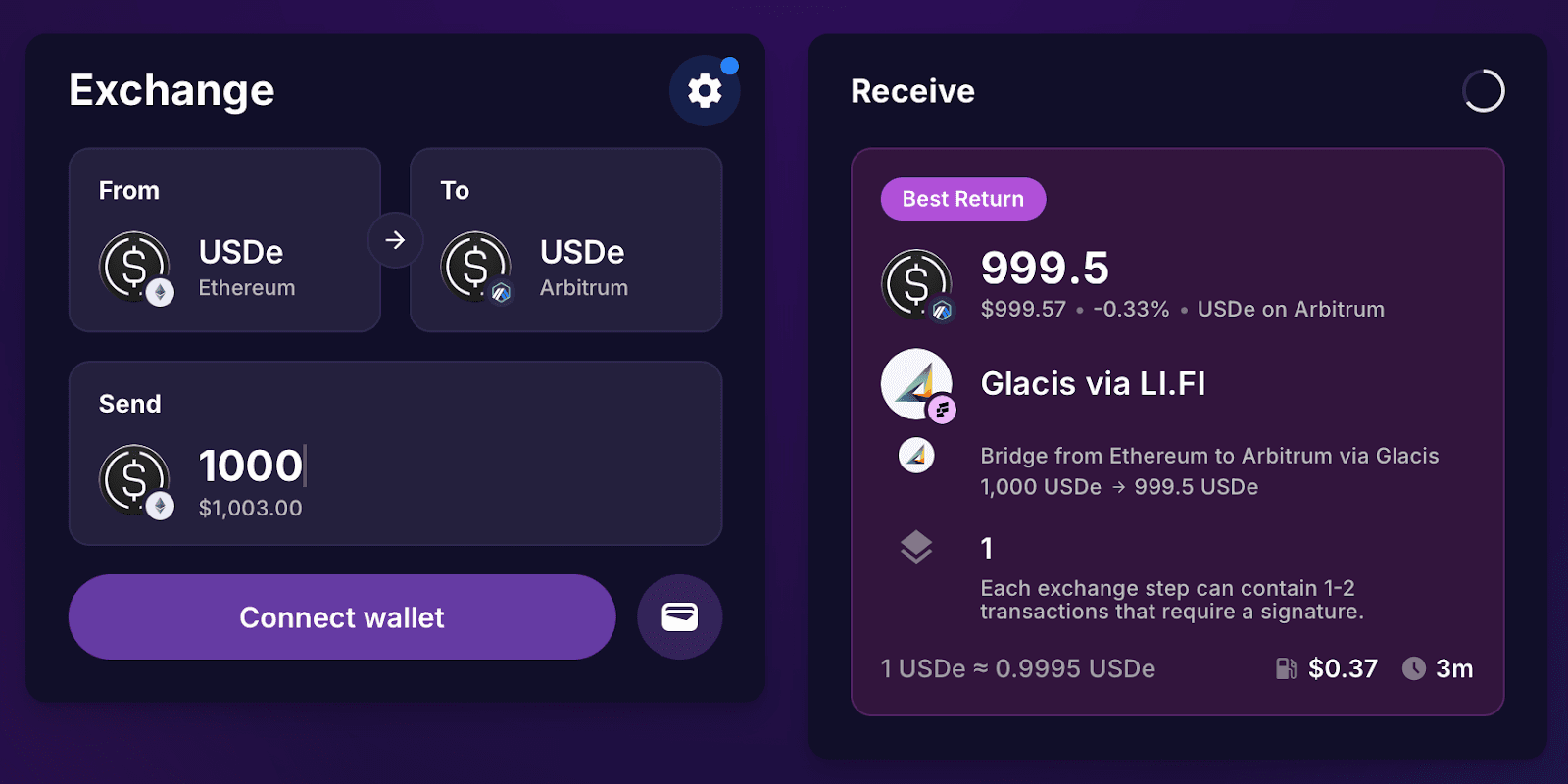
- Seamless Cross-Chain Liquidity unification: LPs provide instant liquidity on destination chains, unifying fragmented pools. (Hyperbridge Sovereign Intents)
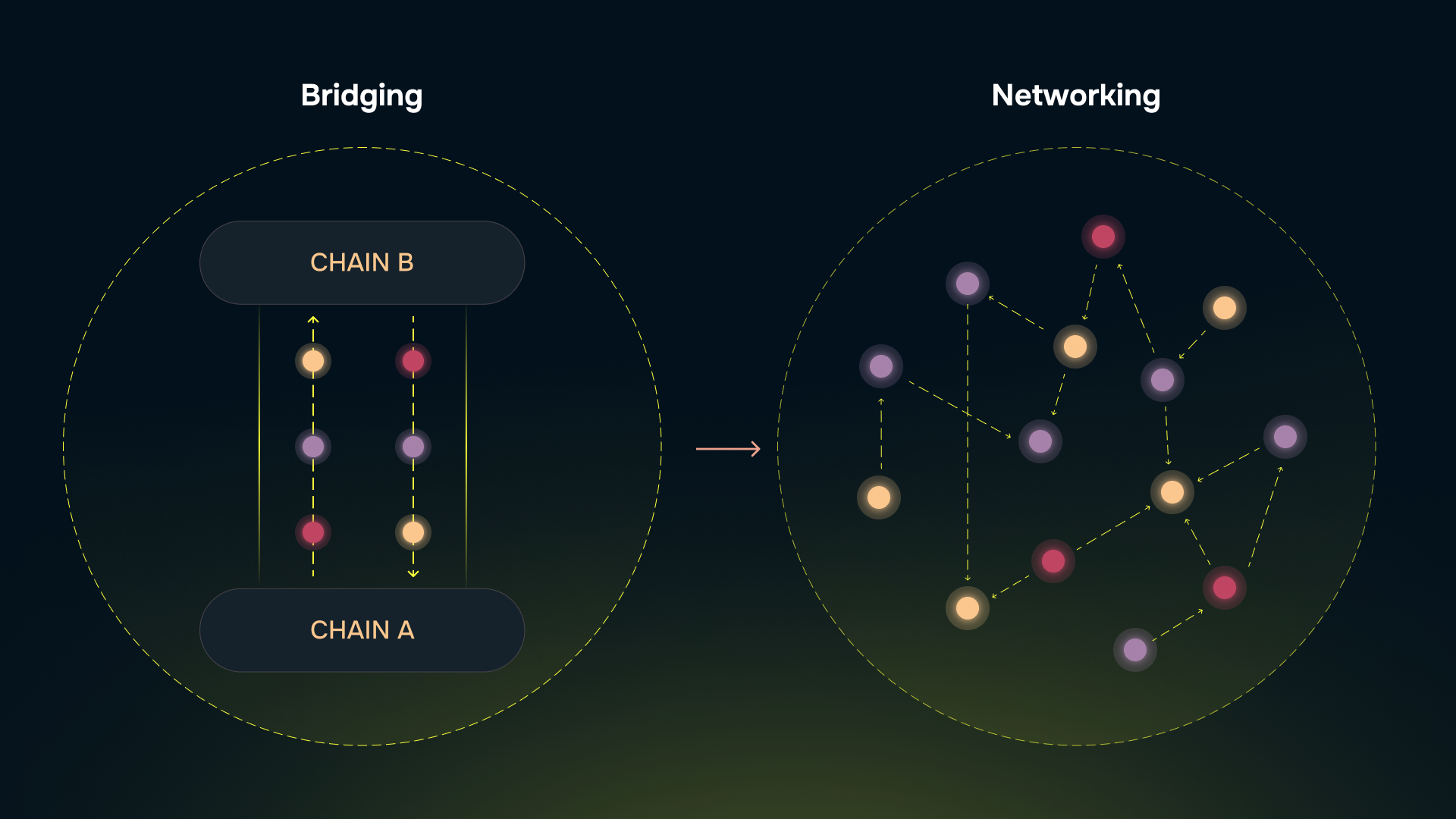
Hyperbridge Intents v2: Trustless Framework for Sovereign Execution
At its core, Hyperbridge Intents v2 flips the script on cross-chain UX. Users broadcast intents via the SDK's Intent Gateway, which bundles profitability estimates, gas tweaks, and routing smarts. Solvers compete permissionlessly, using their capital for swift fills, repaid post-settlement, as Across demonstrates at ETHDenver. This solver-centric model, optimized by ERC7683 standards per Archetype Fund, lowers entry barriers to a universal network.
Security shines through cryptographic proofs, ensuring atomic settlements without intermediaries. Quicknode's take on cross-chain abstraction aligns: it unifies liquidity and UX, beckoning enterprise adoption by simplifying compliance. Hyperbridge's Polkadot synergy amplifies this, processing high volumes scalably. Sovereign Intents mean no custodial risks; if solvers falter, refunds trigger automatically, fostering a robust economy.
ERC7683 and the SDK: Building Blocks for Developer Adoption
ERC7683 standardizes cross-chain intents, prioritizing solver UX and interoperability. Hyperbridge's SDK operationalizes this, letting devs craft intents with built-in optimizations. Imagine deploying a dApp where users interact oblivious to underlying chains, Velorum's multi-chain journeys made singular. The Hyperbridge SDK handles order-filling, profitability, and routing, turning complexity into plug-and-play.
This developer empowerment correlates with macro trends. As L2s/L3s scale Ethereum and beyond, abstraction routers like Hyperbridge bridge not just chains but adoption gaps. Sovereign rebalancing economics incentivize LPs, ensuring liquidity flows where intents demand. In a landscape where intents protocols vie for dominance, Hyperbridge v2's trustless design positions it for outsized impact, much like Polkadot's parachain model scaled messaging.
Hyperbridge Intents v2 doesn't just abstract chains; it reengineers incentives, drawing LPs into a self-sustaining loop of rebalancing. When an intent crosses chains, liquidity materializes instantly on the target, repaid through solver competition. This mirrors broader chain abstraction routers trends, where protocols like those in Eco's guide prioritize speed over user toil. Yet Hyperbridge's sovereignty edges ahead, eliminating oracle dependencies that plague rivals.
Solvers thrive in this arena, bidding aggressively on intents broadcast via standardized formats like ERC7683. The standard's solver-first design, as Archetype Fund details, funnels intents to a universal network, slashing fragmentation. Developers slot Hyperbridge's SDK into their stacks, gaining automatic routing that Velorum praises for crafting one-product multi-chain journeys. Picture a DeFi trader eyeing yields across Arbitrum L2s and Optimism L3s: one intent, zero bridge clicks, unified execution.
Cross-Chain Liquidity Routers: Benchmarking the Leaders
Amid 2026's interoperability surge, cross-chain liquidity routers define winners. Hyperbridge v2 processes $300 million volumes scalably via Polkadot, outpacing pure Ethereum intents in throughput. Sovereign mechanics ensure LPs capture rebalancing premiums, fostering deep liquidity without centralized pools. Quicknode highlights how such abstraction unlocks enterprise flows, blending compliance with seamless UX. Compare this to UniswapX's Dutch auctions or CoW's batching: effective on single ecosystems, but Hyperbridge spans L2/L3 frontiers trustlessly.
Comparison of Top Intents Protocols
| Protocol | Key Mechanism | Primary Focus | Notable Stats |
|---|---|---|---|
| Hyperbridge v2 | Trustless proofs, cryptographic proofs, permissionless refunds | Polkadot scale, cross-chain intents | $300M volume (end of 2025) |
| UniswapX | Dutch auctions | Ethereum focus | - |
| CoW Protocol | Batch optimization, MEV protection | Ethereum-centric | - |
| Eco | Multi-chain swaps, solver network | Multi-chain | - |
This table underscores Hyperbridge's macro edge. While competitors optimize intra-chain, v2's proofs-over-promises model, per their 2025 recap, delivers atomic cross-chain settles. Permissionless refunds act as a safety net, rare in intents land, building user confidence for high-value trades.
Macro Implications: Positioning for Web3's Unified Era
Zoom out, and unified UX L2 L3 via Hyperbridge signals Web3's maturity. Modular chains, Mapleblock argues, strain under fragmentation; abstraction routers knit them anew. Sovereign Intents v2 correlates with global shifts: as institutions eye blockchain for treasury, trustless cross-chain becomes table stakes. Polkadot's relay chain boosts Hyperbridge's efficiency, handling intent spikes without Ethereum's congestion tax.
Builders benefit most. The SDK's Intent Gateway spits out profitability scores pre-execution, letting dApps quote precise outcomes. Integrate once, deploy everywhere: from gaming L3s to DeFi hubs. This developer flywheel accelerates adoption, much like account abstraction streamlined EOA pains. Solvers, meanwhile, diversify revenue beyond MEV, arbitraging liquidity gradients across ecosystems.
Challenges linger, of course. Solver collusion risks exist, though cryptographic commitments and refunds mitigate. Scalability hinges on Polkadot's upgrades, but 2025's $300 million milestone proves resilience. As ERC7683 matures, expect a Cambrian explosion of intents apps, with Hyperbridge as the routing backbone.
Stakeholders from retail traders to VCs grasp this: intents-based protocols L2 L3 aren't hype; they're the infrastructure layer for trillion-dollar multichain TVL. Hyperbridge v2, with its proof-centric sovereignty, charts the path. Users declare intents, markets execute, and Web3 feels whole. In this unified landscape, the mental load lifts, innovation surges, and blockchain delivers on its borderless promise.




No comments yet. Be the first to share your thoughts!