
In 2026, the multichain world finally sheds its fragmented skin. Chain abstraction routers stand at the forefront, delivering L2 L3 unified UX that turns complex cross-chain navigation into intuitive, one-click magic. Imagine a single wallet balance spanning dozens of rollups, intents solvers handling routing behind the scenes, and seamless swaps without bridge hunting. This is no longer a dream; it's the reality powered by top protocols reshaping DeFi for everyday users and builders alike.
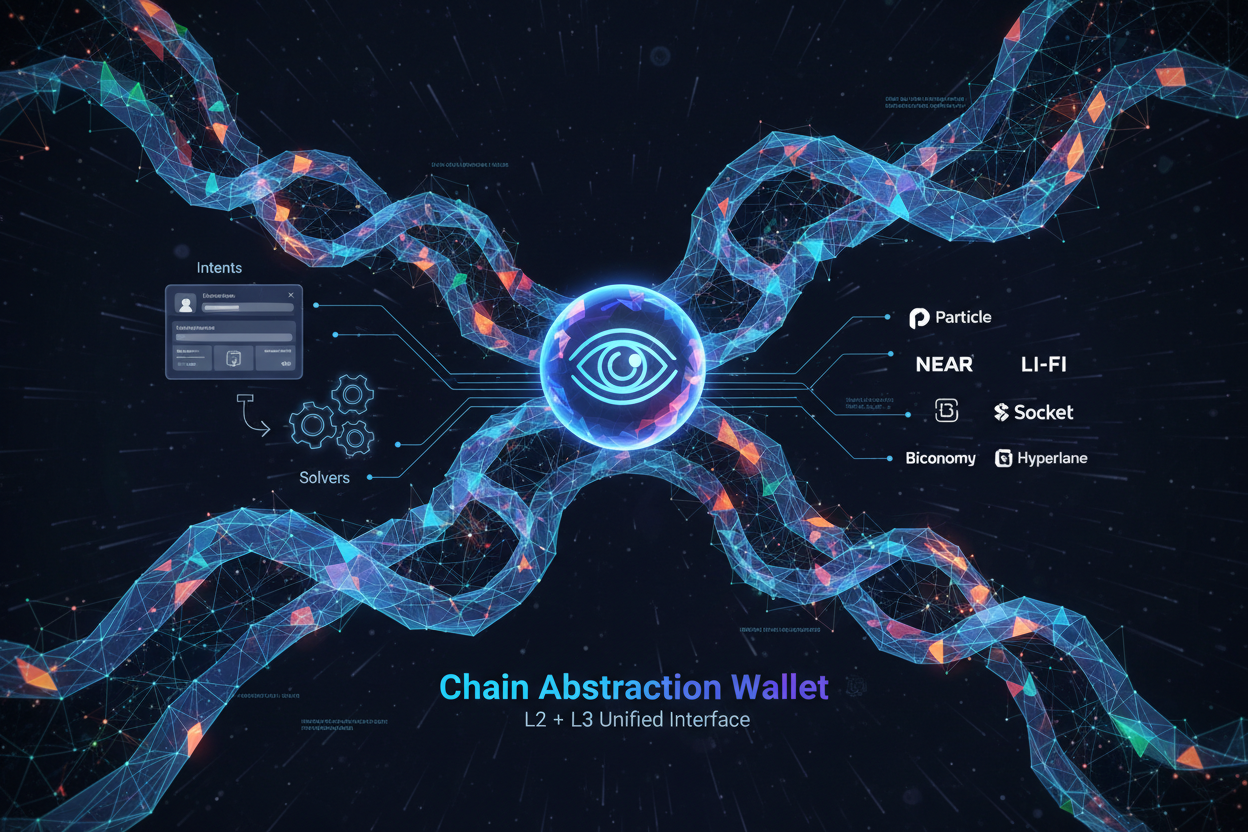
We've waited years for this evolution. Ethereum's 2026 UX roadmap, with its Ethereum Interoperability Layer and Open Intents Framework, sets the stage. Yet, the real heroes are specialized chain abstraction routers like Particle Network and NEAR Protocol, which have already processed billions in volume. These omnichain wallet routers abstract away chain-specific quirks, letting you focus on opportunity, not operations.
Unlocking Single-Account Freedom Across Chains
Chain abstraction routers excel by providing a single account address across all chains and a unified balance view. Users see one number, and chain routing happens automatically via intents-based protocols. NEAR Intents, for instance, has handled $5 billion in cross-chain volume across 25 and chains, proving solvers can deliver without traditional bridges. This isn't just convenience; it's a motivational force multiplier for DeFi adoption. No more wallet juggling or gas token swaps, just pure execution.
Intents solvers represent the next leap. As LI. FI outlines, they structure user desires, like "swap USDC for ETH cheapest, " into executable paths competed on by networks of relayers. In 2026, mature solver ecosystems and AI enhancements make this reliable at scale. Protocols building here balance risk across chains, optimizing for speed, cost, and security, my core mantra.

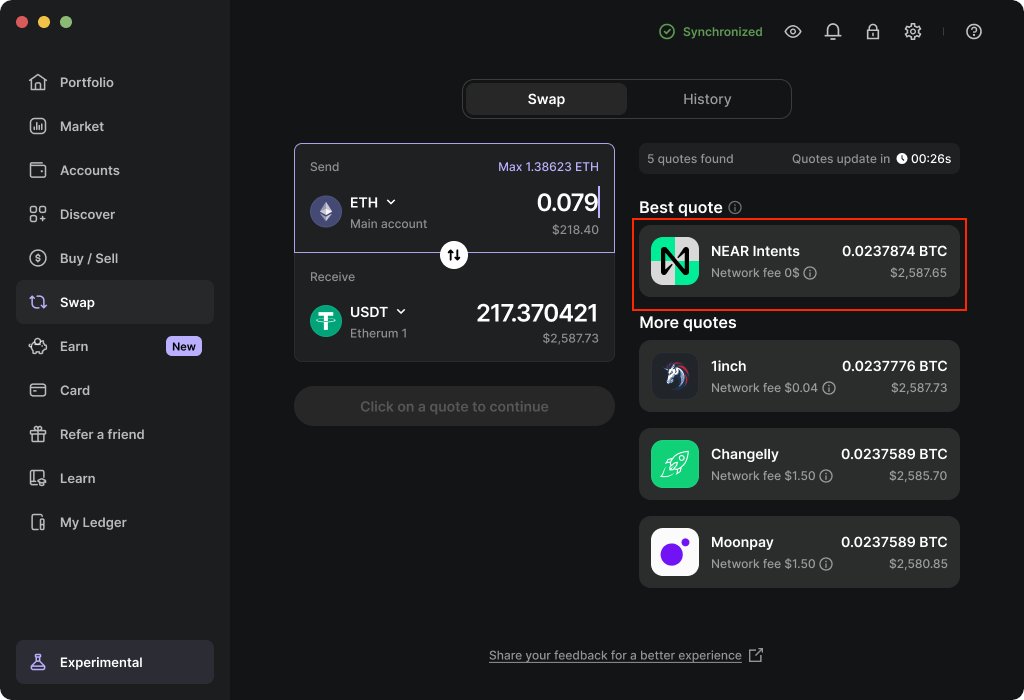
Particle Network: Pioneering Universal Accounts
Particle Network leads with its Universal Account system, a cornerstone of cross-chain abstraction protocols. It enables one account to operate natively on any chain, from Ethereum L2s to emerging L3s. Developers integrate easily, users pay gas in preferred tokens, and liquidity pools unify effortlessly. I've optimized portfolios around such infrastructure because it minimizes fragmentation risks while maximizing yield opportunities. Particle's stack integrates account abstraction via ERC-4337, making smart wallets chain-agnostic and battle-tested for high-volume DeFi.
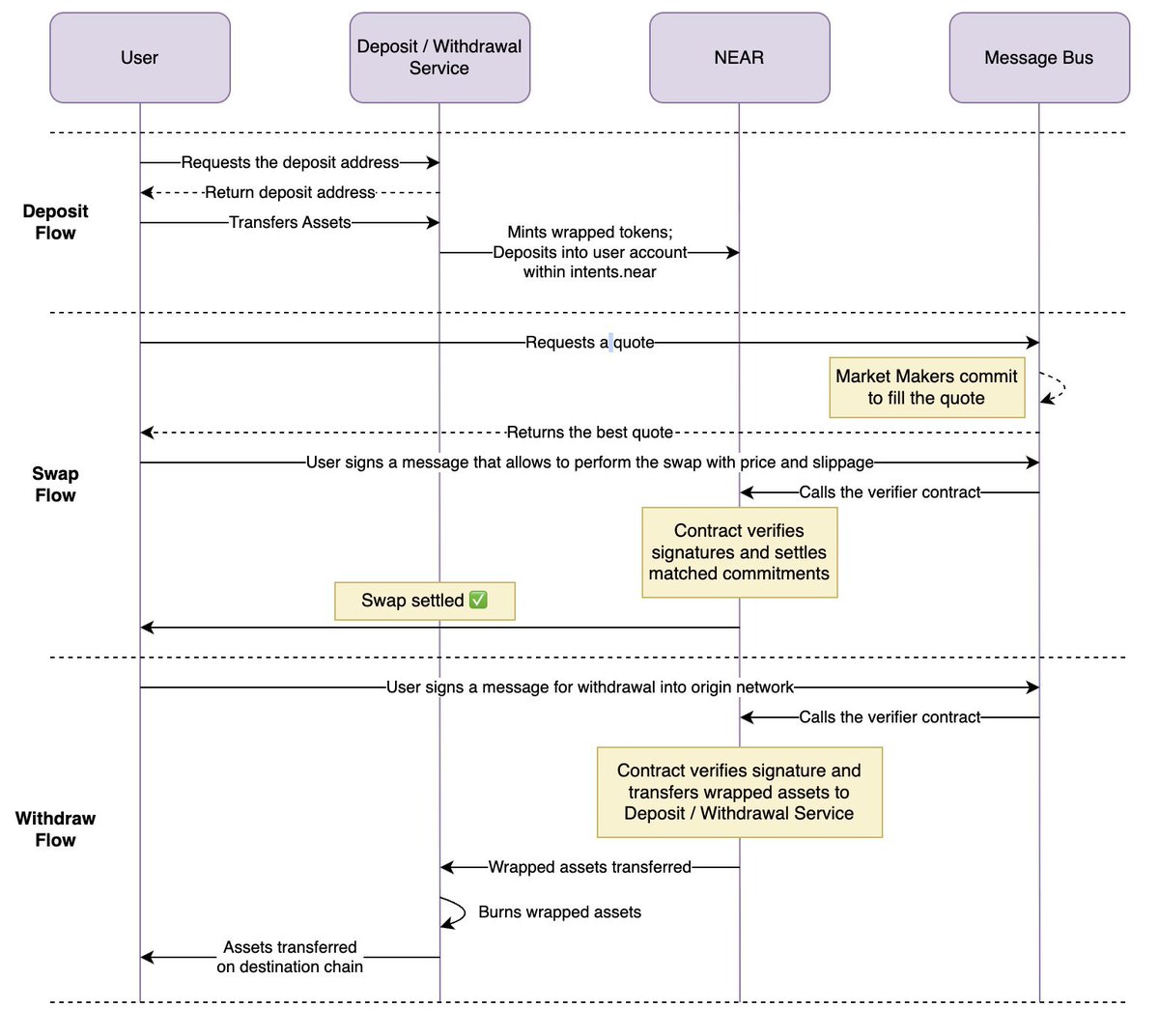
Pair this with NEAR Protocol's intents machinery. NEAR's chain abstraction stack processes swaps sans bridges, leveraging fast finality and low fees. Their $5 billion milestone underscores real-world traction, positioning NEAR as a top contender for intents solvers 2026. Builders on NEAR deploy apps that feel monolithic despite multichain reality, a game-changer for dApps chasing mass appeal.
Top 7 Chain Abstraction Routers
- Particle Network: Leads with universal accounts, enabling a single address and unified balance across all chains for automatic routing and superior L2/L3 UX.
- NEAR Protocol: Excels in intents solvers, processing over $5B in cross-chain volume across 25+ chains without bridges, unlocking seamless swaps.
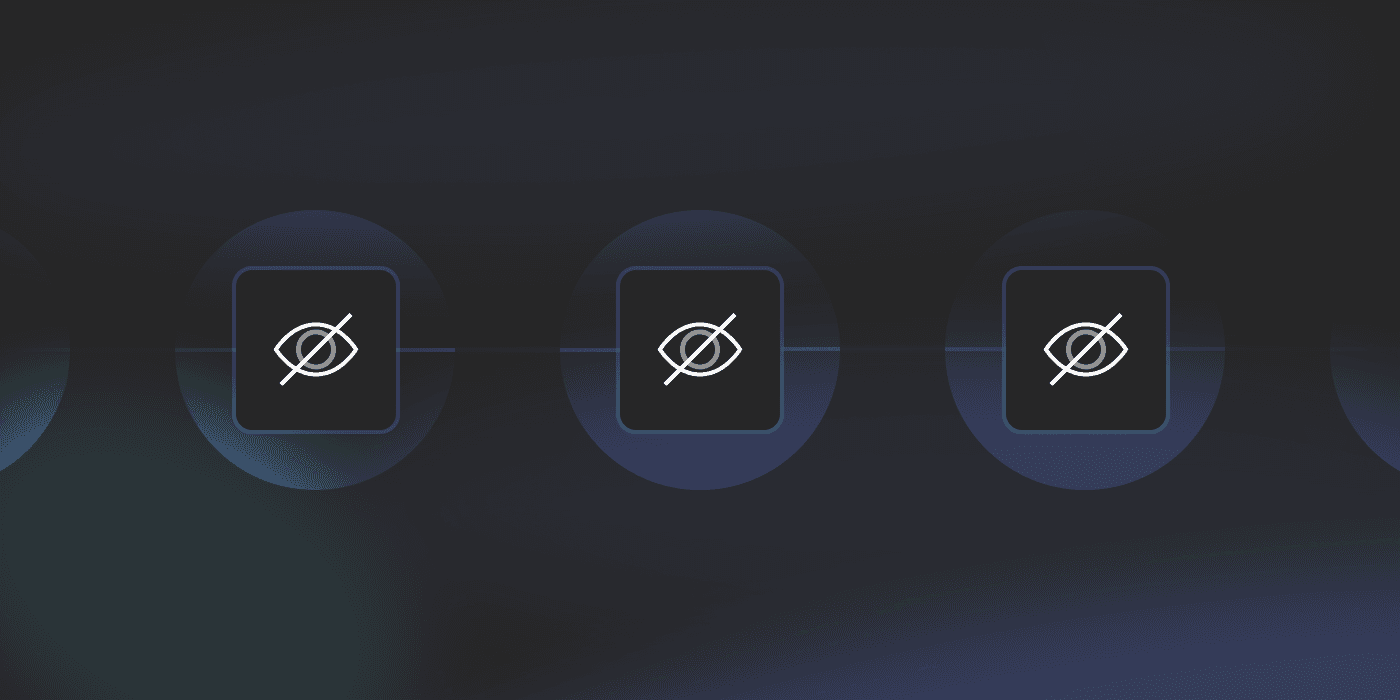
- LI.FI: Masters intent routing with solver networks, simplifying DeFi UX through dynamic cross-chain execution in the intents era.
- Socket Protocol: Delivers secure bridging for reliable L2/L3 interoperability, minimizing risks while maximizing speed and efficiency.

- Across Protocol: Powers fast intents-based transfers, offering rapid cross-chain liquidity with optimized solver competition.
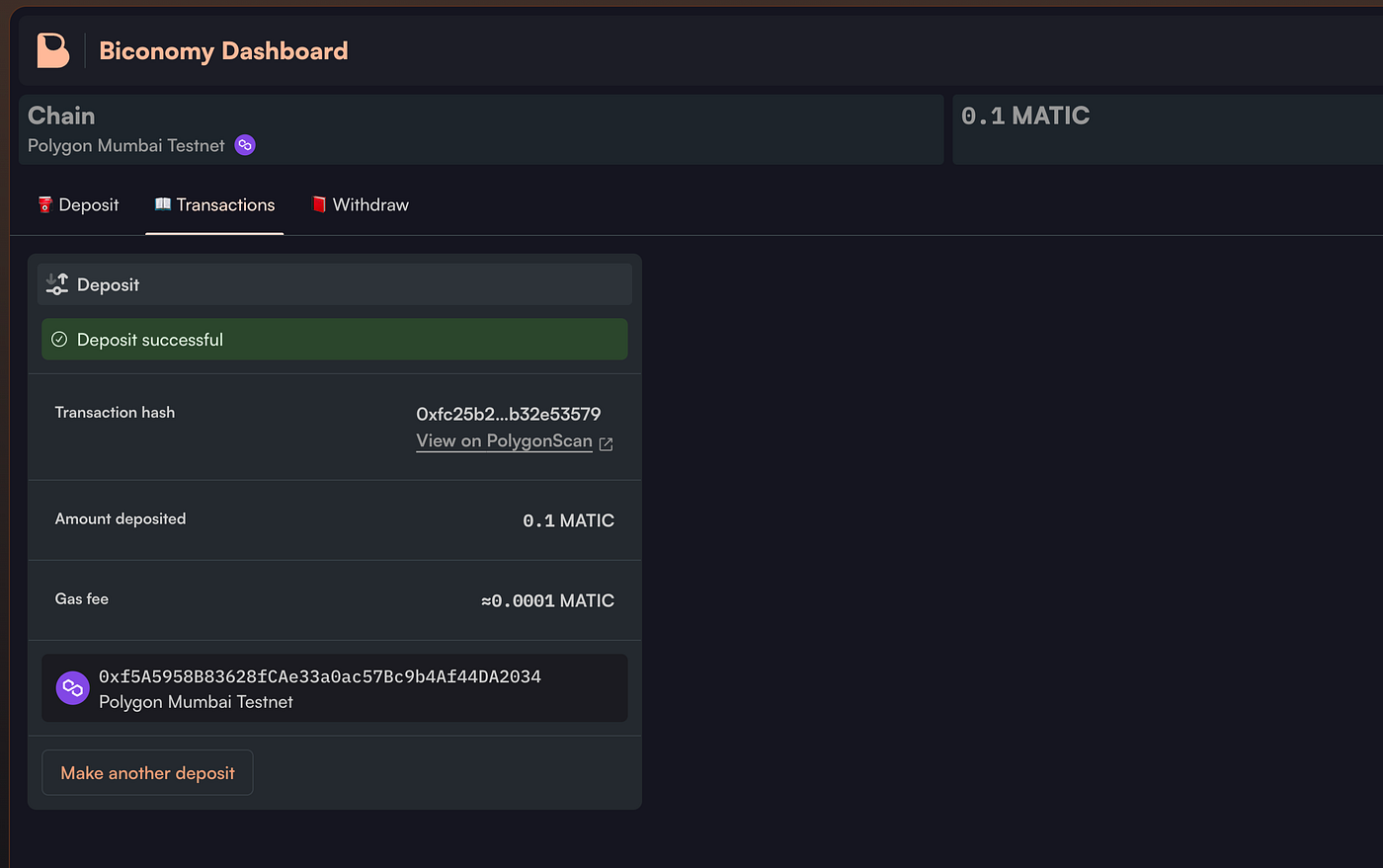
- Biconomy: Advances account abstraction (ERC-4337), providing gasless, chain-agnostic wallets for effortless multi-chain interactions.
- Hyperlane: Enables permissionless messaging for modular chains, fostering trust-minimized communication and unified ecosystems.
LI. FI and Socket Protocol: Intent Routing Mastery
LI. FI defines intents-based architecture, empowering solvers to find optimal paths across L2s and L3s. Their protocol aggregates DEX liquidity and bridge options, executing complex trades with minimal user input. In my view, LI. FI's modular design future-proofs against new rollups, ensuring portfolios stay agile amid Ethereum's scaling boom.
Socket Protocol complements this with guarded launches and secure interoperability. It abstracts bridging into a plug-and-play layer, supporting intents for atomic cross-chain actions. Socket's focus on security audits and economic incentives aligns with balancing risk and reward, making it indispensable for high-stakes DeFi maneuvers in 2026's interconnected landscape.
These routers don't just connect chains; they inspire confidence. As solver networks mature, expect exponential growth in omnichain strategies that were once portfolio nightmares.
Across Protocol accelerates this vision with its intent-centric design, specializing in rapid cross-chain transfers that settle in under two minutes. By leveraging optimistic verification and restaking economics, Across minimizes latency while securing billions in volume. For portfolio optimizers like me, it's a cornerstone for omnichain wallet routers, enabling instant liquidity repositioning across L2s and L3s without the drag of slow bridges. Pair it with real-world intents, and you unlock strategies that thrive on speed.
Biconomy: Account Abstraction Powerhouse
Biconomy elevates user control through advanced account abstraction, bundling ERC-4337 with modular paymasters for gasless, chain-agnostic experiences. Developers deploy once, users interact anywhere, paying fees in any token via sponsored transactions. This isn't mere convenience; it's empowerment. In 2026's solver-driven era, Biconomy's stack lets intents flow freely, abstracting complexities so innovators focus on alpha generation. I've seen it transform fragmented DeFi into streamlined yield farms, balancing exposure across volatile chains.
Hyperlane rounds out the elite with permissionless interoperability, deploying modular contracts that connect any chains, EVM or not. Its mailbox architecture enables sovereign messaging, powering intents solvers to route payloads atomically. Hyperlane's agentic design anticipates 2026's AI integrations, where solvers autonomously optimize paths. This permissionless ethos disrupts centralized routers, fostering a truly decentralized multichain future.
Top 7 Chain Abstraction Routers Comparison
| Router | Key Feature | Supported Chains | UX Strength |
|---|---|---|---|
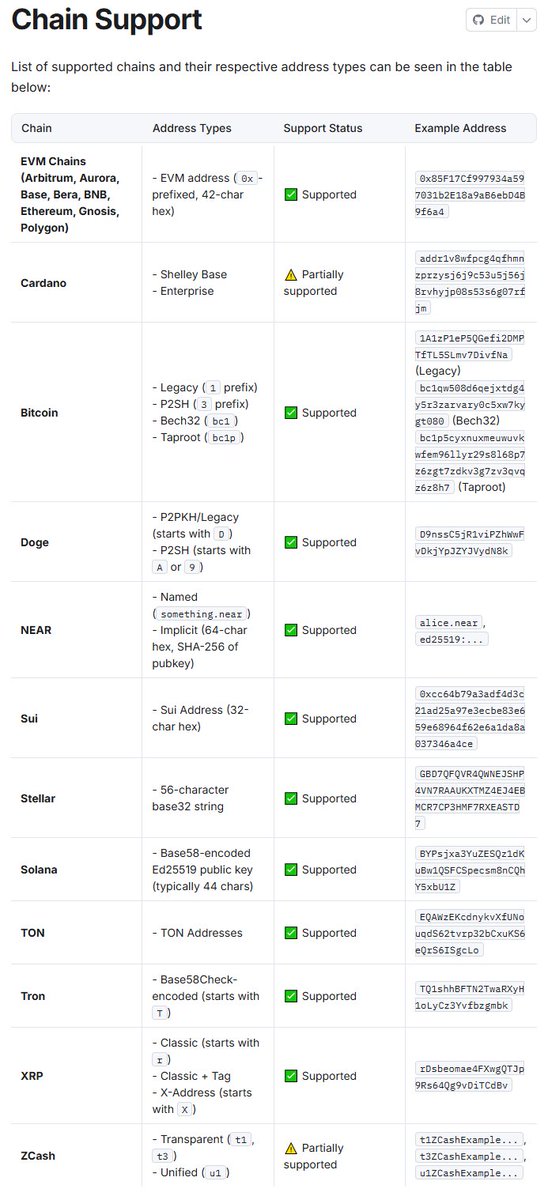
| Particle Network | Universal Accounts | 50+ chains (EVM & non-EVM) | Single account address, unified balance, automatic chain routing |
| NEAR Protocol | Intents ($5B volume) | 25+ chains | Seamless bridge-less asset swaps across chains |
| LI.FI | Solver Routing | 100+ chains & assets | Intent-based fulfillment by decentralized solvers |
| Socket Protocol | Secure Bridges | 65+ chains | Guardian network for secure, reliable transfers |
| Across Protocol | Fast Transfers | 15+ L2s & L1s | Sub-second cross-chain bridging with optimistic security |
| Biconomy | Gasless AA | 20+ EVM chains | Paymaster-sponsored gasless transactions, easy onboarding |
| Hyperlane | Permissionless Messaging | 100+ chains | Modular, trustless cross-chain communication |
Why These Routers Dominate L2 L3 Unified UX
Particle Network's universal accounts, NEAR's battle-tested intents, LI. FI's routing prowess, Socket's security, Across's velocity, Biconomy's abstraction, and Hyperlane's flexibility form an unbeatable septet. They converge on chain abstraction routers that hide blockchain multiplicity, delivering one wallet, one balance, one intent. Ethereum's EIL and Superchain amplify this, but these protocols execute on the ground, processing trillions in potential volume as adoption surges.
Picture deploying capital effortlessly: swap on Arbitrum, lend on Optimism, all from Polygon AggLayer liquidity, resolved by zkSync Hyperchains under UXLINK's single account. Push Chain's fee abstraction seals it, but our top seven lead the charge. Solver maturity, per LI. FI and DcentraLab insights, plus AI enhancements, propel intents solvers 2026 into mainstream DeFi.
Builders, integrate these now. Users, demand them in your wallets. The risk-reward balance tilts toward unified ecosystems, where abstraction unlocks exponential returns. 2026 isn't about surviving chains; it's about conquering them seamlessly. Optimize boldly, execute flawlessly, and watch your multichain portfolios soar.




No comments yet. Be the first to share your thoughts!