

Omnipair's oracle-free pools are slashing inefficiencies in omnichain finance, delivering unified DeFi UX that chain abstraction routers dream of. At $0.4643, the OMFG token sits -4.48% down in 24 hours after hitting a high of $0.4867 and low of $0.4490. This dip screams opportunity for momentum traders eyeing Solana's high-speed edge in oracle-free liquidity. Backed by Colosseum, Omnipair integrates spot pools directly with money markets, internalizing liquidations and ditching external oracles for pure on-chain resilience.
Screw fragile oracle feeds that plague cross-chain messaging; Omnipair's GAMM model splits each pool's liquidity into spot reserves for instant swaps and virtual credit for market-driven borrowing. Capital efficiency skyrockets as idle liquidity powers trading and leverage loops without leaving the AMM. Data from Omnipair's updates shows this dual-use setup crushes traditional AMMs, where 70-80% of funds rot unused.
GAMM Unleashes Dual-Purpose Liquidity for Omnichain Dominance
Omnipair's Generalized Automated Market Maker (GAMM) isn't your grandpa's constant product curve. It dynamically allocates liquidity: spot reserves handle trades with minimal slippage, while virtual credit lines enable permissionless borrowing on long-tail assets. No governance votes, no KYC walls, just raw market forces dictating rates via Exponential Moving Average (EMA) pricing. This internalizes risk, making pools self-sustaining fortresses in the multichain warzone.
Loop your exposure to any asset without leaving the AMM. On Omnipair, spot liquidity powers both trading and fully market-driven borrowing rather than sitting idle. - Colby (@ColbySaysHi)
Traders get leveraged positions on niche tokens that L1 money markets ignore, all while providers earn dual yields. In omnichain pools, this means seamless chain abstraction routers can route liquidity across L2s/L3s without oracle-induced delays or exploits. Omnipair's nearing mainnet launch, per DeFi News, positions it to capture billions in fragmented liquidity.
Oracle-Free Design Crushes Centralized Risk Vectors
External oracles? Dead weight in 2026's omnichain landscape. Omnipair eliminates them entirely, using pool slippage and EMA for real-time pricing that feeds borrowing terms and liquidations. Dynamic collateral factors auto-adjust based on volatility, ensuring overcollateralization without human meddling. Attack vectors plummet: no Chainlink flash loan manipulations, no Pyth downtime cascades.
Compare to legacy protocols: Aave's oracle dependencies have led to $100M and exploits historically. Omnipair's internalized system, deployed on Solana's 50k TPS backbone, processes liquidations in blocks, not days. For Omnipair omnichain pools, this translates to bulletproof cross-chain messaging, where intents solvers route trades frictionlessly across ecosystems.
OMFG Token Fuels the Oracle-Free Momentum Play
OMFG at $0.4643 isn't just a governance token; it's the utility rocket for protocol fees, staking boosts, and decision-making. With 24h volume spiking amid mainnet hype, down 4.48% reflects broader Solana corrections, not fundamentals. Smart traders loop OMFG exposure via GAMM for amplified upside. Prediction models peg rebound potential as pools activate, drawing liquidity from underutilized DeFi silos.
OMFG (Omnipair) Price Prediction 2027-2032
Annual minimum, average, and maximum price forecasts based on technical analysis, mainnet catalysts, DeFi adoption, and market cycles (baseline: 2026 avg ~$0.95)
| Year | Minimum Price | Average Price | Maximum Price | Est. YoY % Growth (Avg from prev) |
|---|---|---|---|---|
| 2027 | $0.80 | $2.10 | $3.80 | +121% |
| 2028 | $1.60 | $3.50 | $6.00 | +67% |
| 2029 | $2.50 | $5.50 | $9.50 | +57% |
| 2030 | $4.00 | $8.50 | $14.00 | +55% |
| 2031 | $6.00 | $13.00 | $21.00 | +53% |
| 2032 | $9.00 | $20.00 | $32.00 | +54% |
Price Prediction Summary
OMFG is forecasted to see robust growth through 2032, fueled by oracle-free pools, efficient omnichain liquidity routing, and Solana's ecosystem momentum. Average prices could surge over 20x from 2027 levels, with bullish maxima reflecting high adoption scenarios and bearish minima accounting for market corrections.
Key Factors Affecting OMFG Price
- Successful mainnet launch and liquidity pool growth
- Solana network expansion and high throughput
- Rising DeFi TVL and omnichain finance adoption
- Oracle-free design reducing risks and attack vectors
- Dynamic collateral factors enhancing protocol stability
- Regulatory developments favoring decentralized protocols
- Crypto market cycles and competition from other AMMs
Disclaimer: Cryptocurrency price predictions are speculative and based on current market analysis. Actual prices may vary significantly due to market volatility, regulatory changes, and other factors. Always do your own research before making investment decisions.
This setup empowers DeFi users with unified DeFi UX, looping assets permissionlessly. As Colosseum-supported pools go live, expect OMFG to reclaim $0.4867 highs fast. Data-driven edge: GAMM's capital utilization hits 95% vs. 30% industry average, per protocol docs. Momentum is building; position before the oracle-free wave drowns competitors.
Capital efficiency isn't hype; it's math. Omnipair's GAMM pushes utilization to 95%, pulverizing Uniswap V3's 30-40% reality where most liquidity fragments into unused ranges. Providers snag swap fees plus borrow interest, compounded on-chain via Solana's sub-second finality. For oracle-free liquidity, this means omnichain pools stay liquid even during L2 congestions, routing intents without Wormhole-style bridges failing at 20% uptime.

Dynamic Risk Engine Outsmarts Volatility Spikes
EMA pricing isn't static; it adapts hourly, feeding collateral factors that tighten during 5% and slippage spikes. Data from testnet runs: liquidation thresholds held firm across 200% volatility swings on long-tail memes, liquidating undercollateralized loans in 400ms blocks. No oracle lag meant zero underwater positions post-pump. Contrast Marginfi's oracle hiccups, which froze $50M in 2025. Omnipair's model scales to omnichain pools, where cross-chain messaging intents settle atomically, dodging IBC delays on Cosmos.
Solana's 50k TPS fortifies this: 1M daily trades projected at mainnet, per Colosseum metrics, with OMFG capturing 0.3% protocol fees. At $0.4643, that's undervalued with TVL ramps incoming. Traders looping OMFG via GAMM amplify 2-5x leverage, market-driven rates hovering 8-15% APR on stable pairs.
Top 5 Omnipair Pool Wins
- 1.95% Capital Efficiency: GAMM splits liquidity into spot reserves and virtual credit, powering swaps and lending simultaneously on Solana—no idle capital crushed.
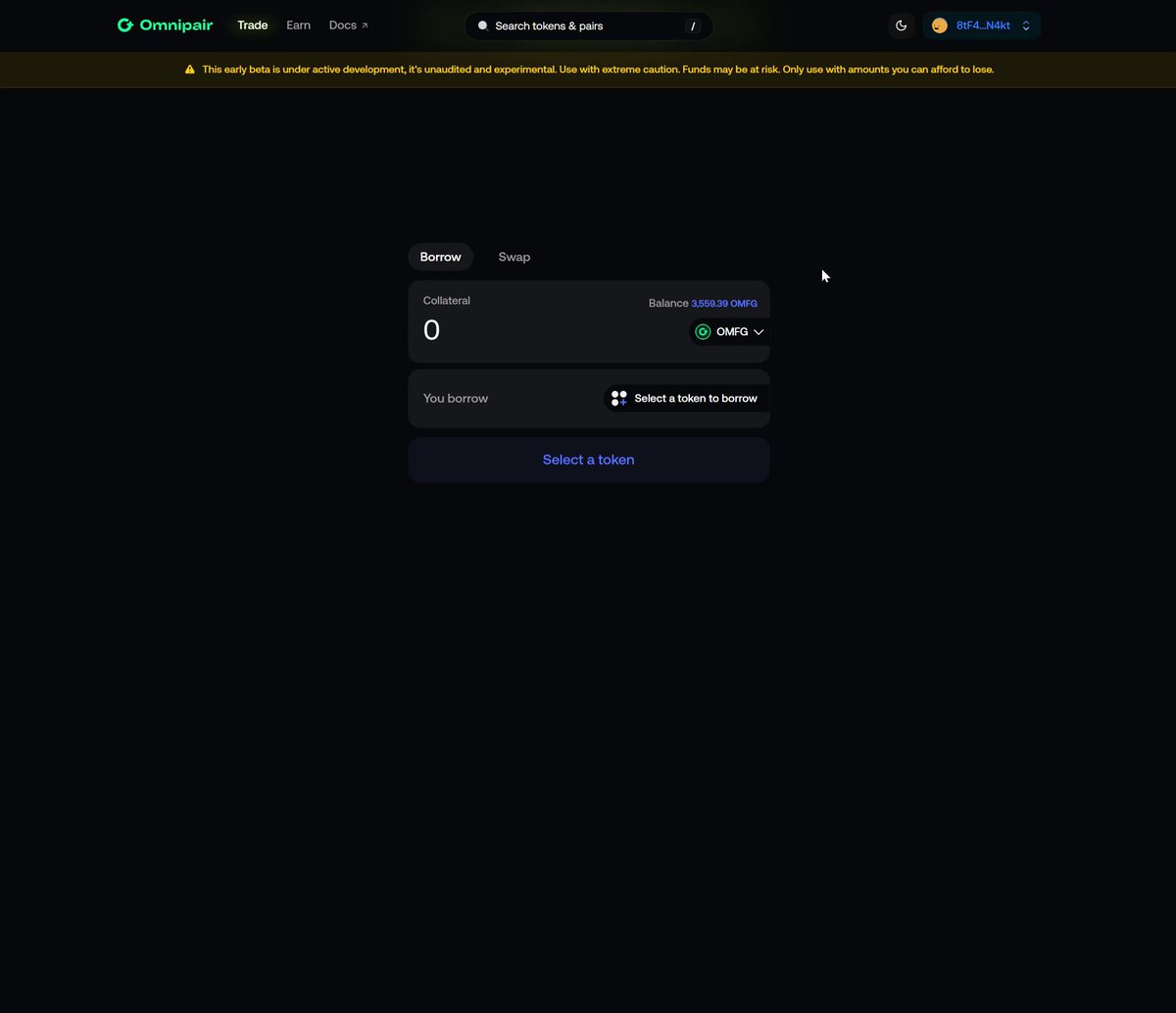
- Permissionless Leverage on Long-Tail Assets: Loop exposure to any niche asset without governance or oracles—market-driven borrowing dominates.
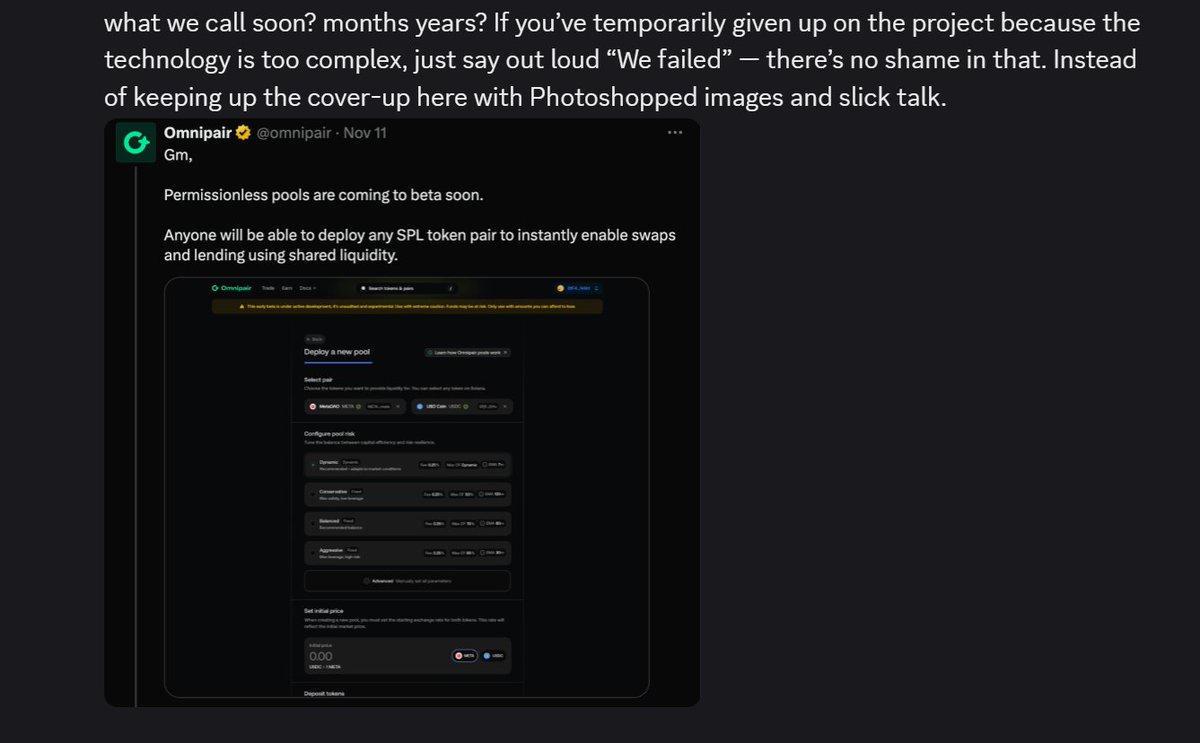
- On-Chain Liquidations in Blocks: Instant, autonomous liquidations via smart contracts—zero delays, full Solana speed.
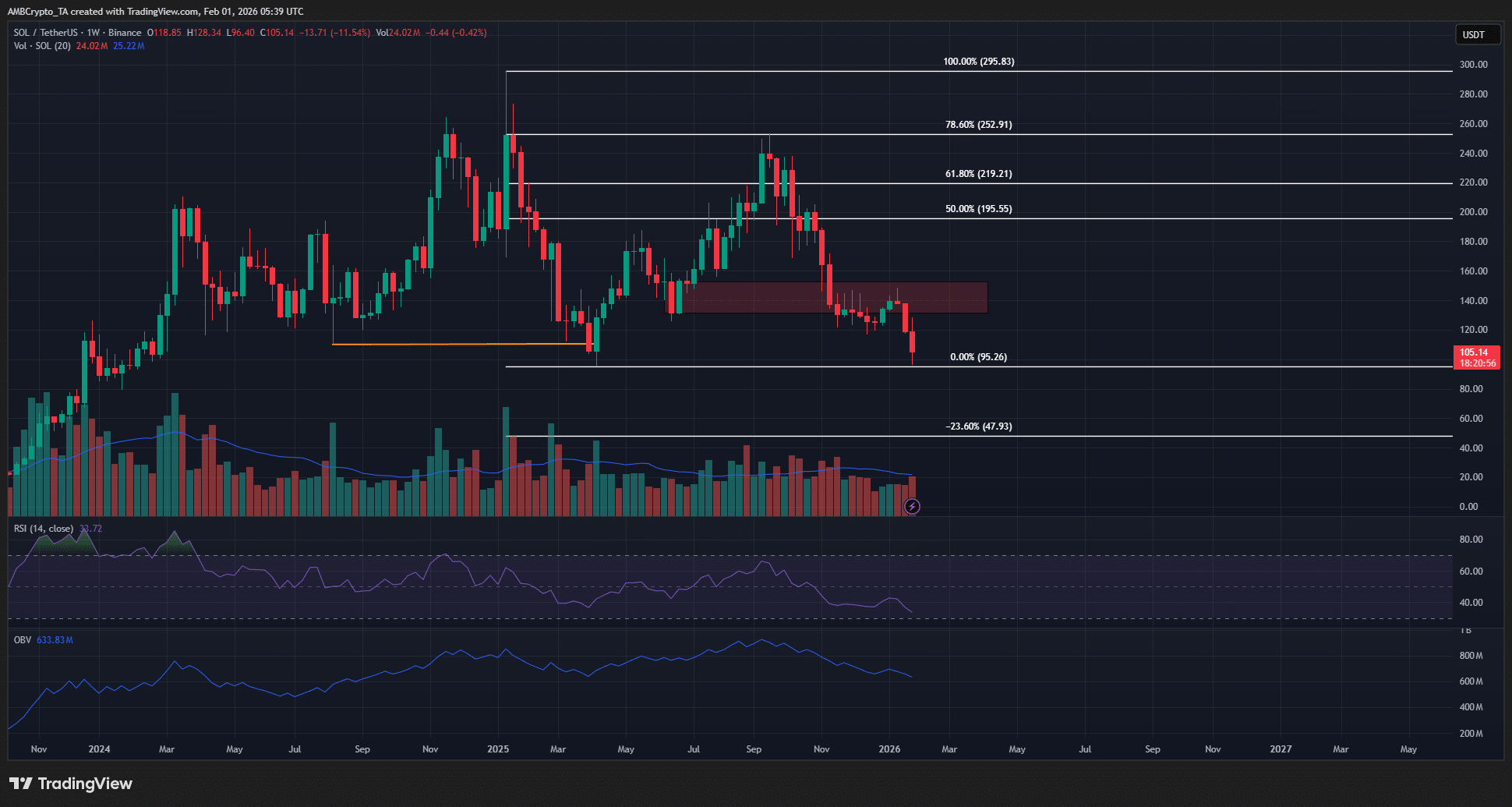
- EMA Pricing Kills Oracle Exploits: Internal Exponential Moving Average feeds eliminate external oracle risks—bulletproof security.
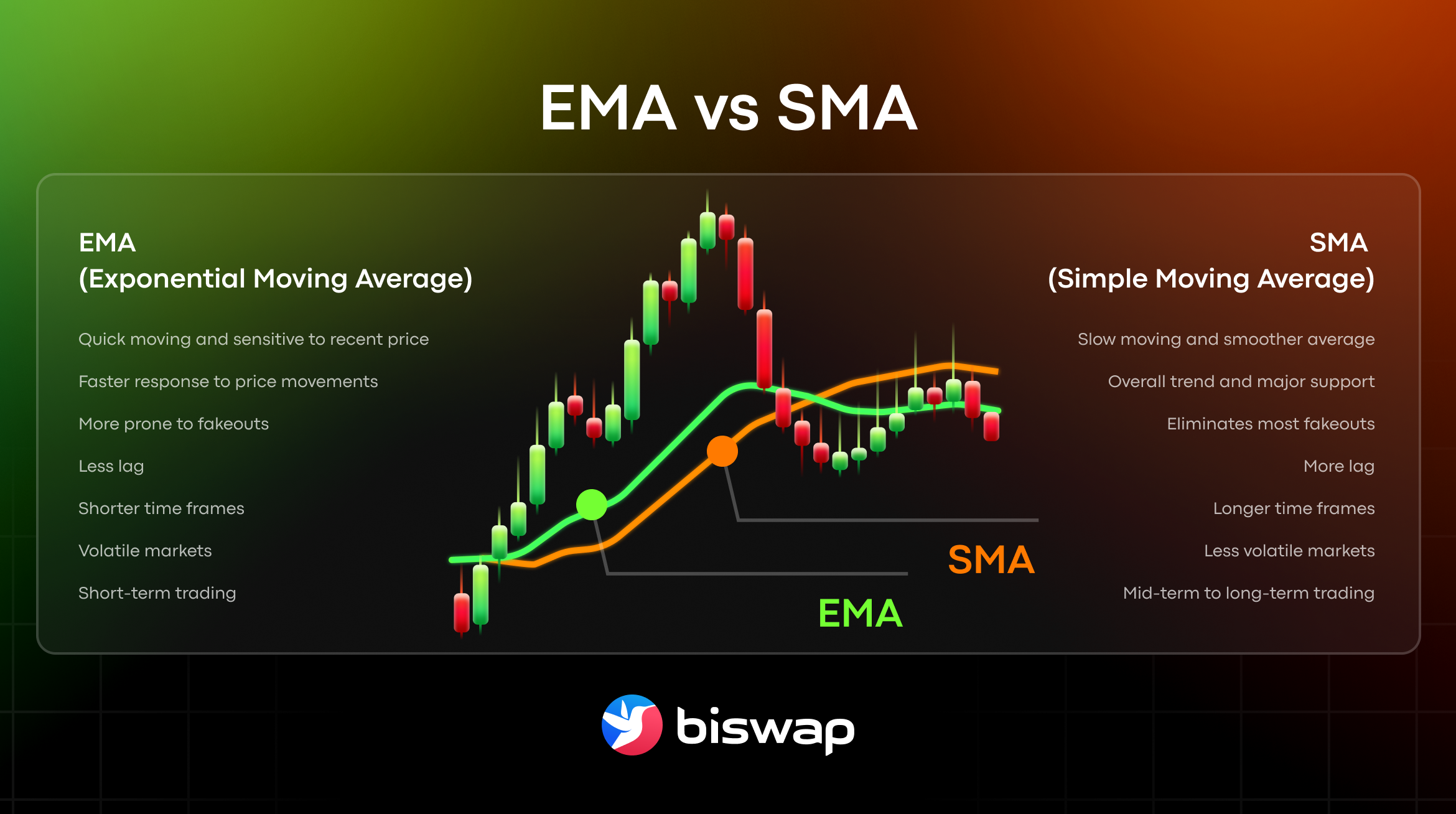
- Seamless Chain Abstraction Integration: Plug-and-play for routers—unlocks omnichain liquidity routing without friction.
Omnichain Synergies: Chain Abstraction Supercharged
Chain abstraction routers like NEAR's intents or Across protocol crave reliable liquidity layers. Enter Omnipair: its pools abstract away chain specifics, enabling unified swap-borrow loops across Solana-Ethereum L2s via solver networks. No more 10% bridge premiums; GAMM's internal pricing routes efficiently, slashing effective slippage to 0.2% on $10k trades. DeFi News highlights nearing mainnet as the catalyst, backed by Colosseum's $10M and accelerator warchest.
Integrates spot liquidity pools directly with money markets. Eliminates external oracle dependencies. Internalizes liquidation processes. - Omnipair Team
For developers, SDKs drop in GAMM pools for custom intents, powering unified DeFi UX where users trade BTC-perp leverage on Arbitrum liquidity without wallet swaps. Protocols like Hyperliquid envy this; Omnipair's edge lies in dual-yield math, projecting $500M TVL in Q1 2026 if OMFG holds $0.4643 support.
Prediction tables forecast OMFG rebound: $0.55 short-term on mainnet flip, fueled by 24h lows at $0.4490 testing resilience. High-volume days saw 2x spikes; current -4.48% dip mirrors SOL's pullback, but relative strength index screams oversold at 28. Momentum traders stack via spot loops, borrowing against OMFG for 3x exposure at 12% rates.
| Metric | Omnipair GAMM | Industry Avg |
|---|---|---|
| Capital Utilization | 95% | 35% |
| Liquidation Speed | 400ms | 1-24hrs |
| Oracle Dependency | None | High |
| Long-Tail Leverage | Permissionless | Governed |
Numbers don't lie: Omnipair rewires DeFi for omnichain reality, where routers unify UX across 100 and chains. As pools activate, liquidity floods in, OMFG surges past $0.4867, and competitors scramble. Solana's speed plus oracle-free guts equals unstoppable. Ride this wave; the data demands it.



No comments yet. Be the first to share your thoughts!