
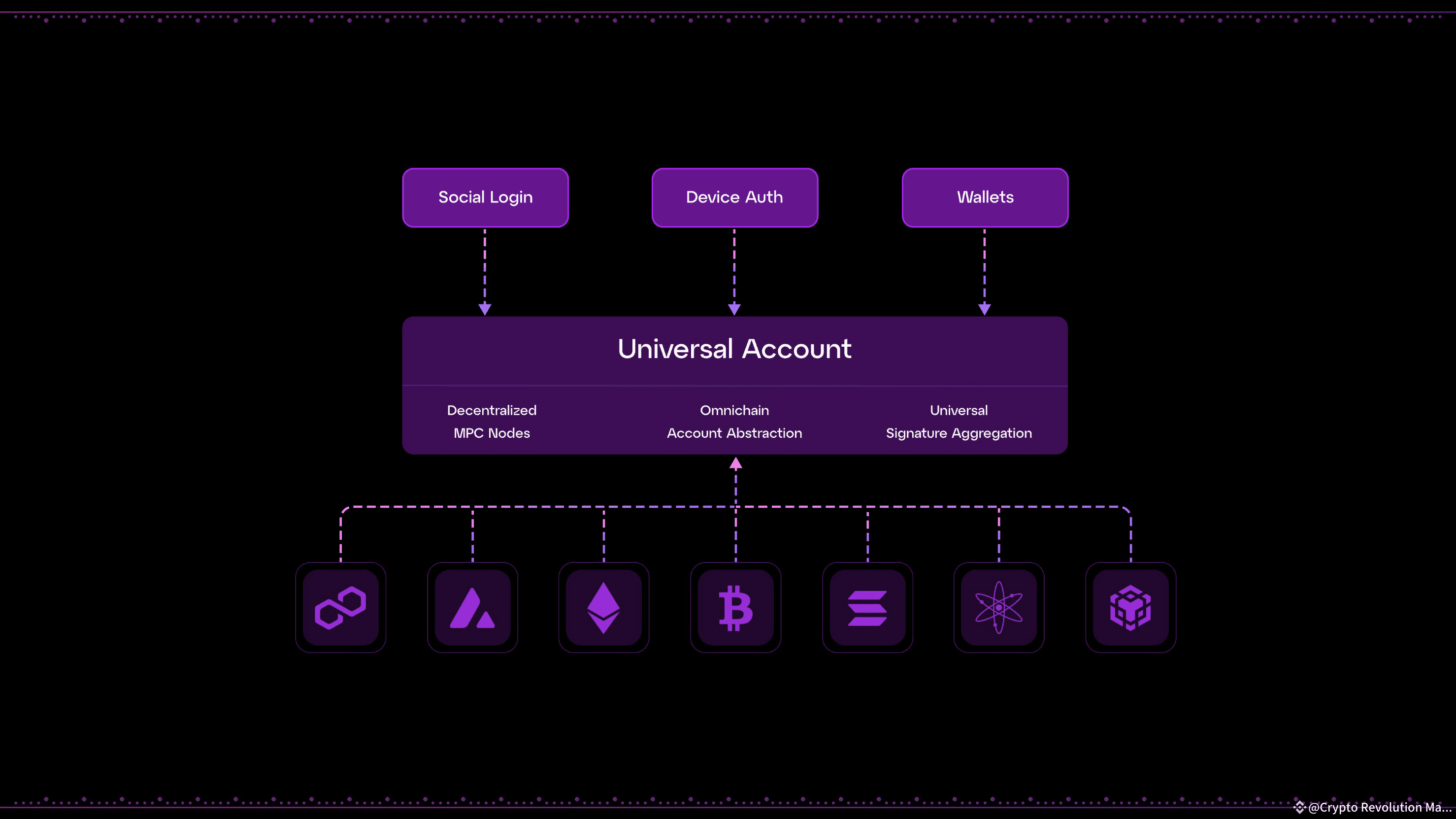
What Omnichain UX Actually Means
Omnichain UX is the user experience layer that hides blockchain fragmentation. Instead of juggling multiple wallets, bridging assets across separate networks, or manually approving transactions on different chains, users interact with a single interface. The infrastructure handles the complexity in the background, allowing data and value to move fluidly between chains.
Think of it like email. You don’t need to know the physical routing of servers or the specific protocols connecting your provider to your recipient’s to send a message. Omnichain protocols abstract away the underlying chain differences, presenting a unified experience. For the user, the "chain" becomes irrelevant; only the application and its utility matter.
This shift moves the industry from a "multi-chain" reality, where users must actively manage cross-chain friction, to an "omnichain" experience. The goal is seamless interaction, data transfer, and settlement without the user needing to understand the technical mechanics. It’s not just about speed; it’s about removing the cognitive load of blockchain navigation.
The UX Constraint: Friction vs. Abstraction
The primary constraint in current omnichain development is balancing abstraction with security. Early implementations often prioritized ease of use by hiding transaction details, which can lead to confusion when gas fees vary wildly or when a transaction fails silently on a destination chain. True omnichain UX requires transparency without complexity.
Users need to see that their asset has moved, but they shouldn’t need to monitor five different block explorers to verify it. The ideal interface provides a single status tracker that aggregates confirmations across all involved chains. This reduces anxiety and support tickets, making the technology accessible to non-crypto natives.
However, the "seamless" label can be misleading. Under the hood, smart contracts still execute on distinct ledgers. The UX layer must clearly communicate potential delays or costs without overwhelming the user. If the abstraction leaks—by exposing raw error codes or confusing bridge delays—the trust in the omnichain promise erodes quickly. The best implementations make the complex feel simple, but never invisible.
Omnichain UX Evaluation Framework
Use this section to make the omnichain UX decision easier to compare in real life, not just on paper. Start with the reader's actual constraint, then separate must-have requirements from details that are merely nice to have. A practical choice should survive normal use, maintenance, timing, and budget. If a recommendation only works in an ideal situation, call that out plainly and give the reader a fallback path.
| Factor | What to check | Why it matters |
|---|---|---|
| Fit | Match the option to the primary use case. | A good deal still fails if it does not fit the job. |
| Condition | Verify age, wear, and service history. | Hidden condition issues erase upfront savings. |
| Cost | Compare purchase price with likely upkeep. | The cheapest option is not always the lowest-cost option. |
Choosing the Right Omnichain Tool
Omnichain infrastructure is still finding its footing. The term describes a blockchain setup that uses chain abstraction to move data and settle transactions across different networks without making you manage bridges manually. While the promise is a unified experience, the reality is a fragmented market of protocols trying to solve the same problem. You need to pick a tool that matches your specific workflow rather than chasing the latest hype. This decision framework helps you evaluate options based on security, cost, and ease of use.
Check Security Audits and Track Record
Security is the biggest risk in cross-chain interactions. Before using any omnichain tool, verify that its underlying protocol has undergone multiple independent security audits. Look for tools that have been battle-tested in production environments with significant total value locked (TVL). A protocol with a clean audit history and a long operational track record is far safer than a new entrant with flashy marketing. If a tool cannot provide clear evidence of its security posture, skip it.
Compare Transaction Fees and Slippage
Cross-chain transactions often involve multiple gas fees and potential slippage. Compare the total cost of moving assets across chains for your most frequent use case. Some tools offer fee aggregation that makes costs predictable, while others may hide hidden fees in the exchange rate. Use a
to understand the baseline cost of your primary asset, then compare how different omnichain tools affect your total spend. Lower fees are better, but not if they compromise security.Evaluate User Experience and Support
The best omnichain tool should feel like a single chain, even if it isn't. Test the user interface for clarity. Does it clearly show which chains are involved? Is the transaction status easy to track? Poor UX often leads to user error, which can result in lost funds. Additionally, check the quality of customer support and community resources. A tool with active developer documentation and responsive support is easier to troubleshoot if things go wrong.
Verify Asset Compatibility
Not all omnichain tools support every token or NFT. Check the list of supported assets for the tool you are considering. If you only need to move ETH and USDC, a simpler tool might suffice. If you need to move niche ERC-20 tokens or specific NFTs, you may need a more robust solution. Ensure the tool you choose supports the specific assets you plan to use most often.
Test with Small Amounts First
Never move a large amount of capital through a new omnichain tool without testing it first. Send a small, insignificant amount to verify that the transaction completes successfully and that the funds arrive in the expected destination. This simple step can save you from costly mistakes and help you understand the actual speed and reliability of the tool in real-world conditions.
Spotting Weak Omnichain Claims
The term "omnichain" is currently a marketing shield for fragmented infrastructure. Projects promise seamless cross-chain interactions, but the reality often involves hidden gas fees, bridging delays, or custodial risks that break the user experience. As you evaluate tools for 2026, treat broad promises with skepticism and look for concrete technical proofs.
The "Seamless" Illusion
Many platforms claim to abstract away chain complexity, yet they still require users to manage multiple wallets or approve excessive token allowances. True omnichain design should hide the underlying blockchain state entirely. If a user must manually switch networks or approve transactions on every chain, the abstraction is superficial. Look for protocols that handle relay and settlement invisibly in the background.
Hidden Costs and Latency
Seamless interaction does not mean free or instant. Some solutions hide bridging fees in poor exchange rates or impose high latency for security finality. A robust omnichain solution should provide transparent fee structures and predictable settlement times. If a project does not clearly disclose where the liquidity comes from or how the relay works, it is likely a weak option.
Custodial Red Flags
Avoid any omnichain solution that requires you to lock assets in a centralized bridge contract without verifiable proof of reserves. Non-custodial models using light client verification or zero-knowledge proofs are the standard for reliable cross-chain data transfer. Always verify if the protocol’s source code is audited and if the security model relies on trusted multisigs rather than decentralized consensus.
No comments yet. Be the first to share your thoughts!