
Defining the omnichain UX shift
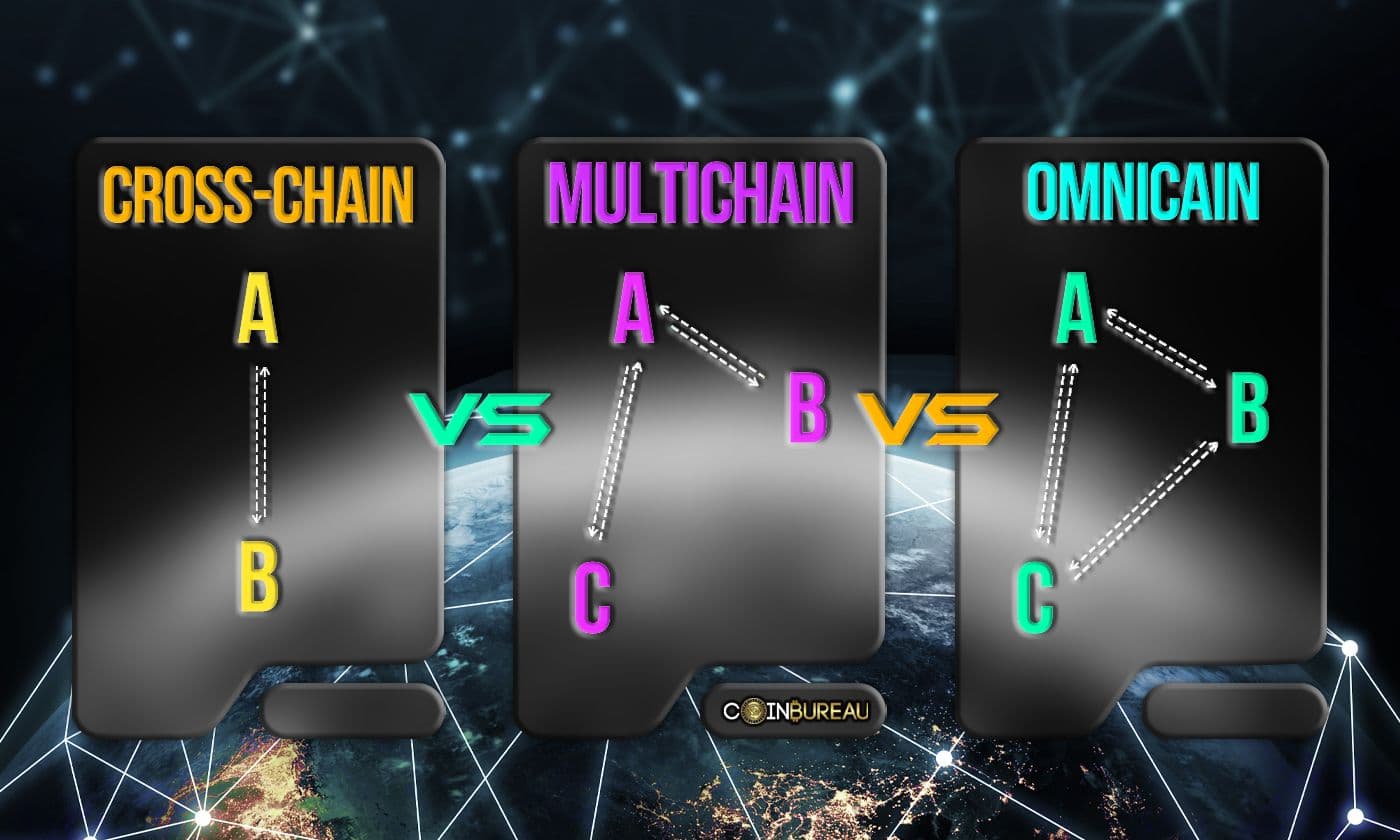
Omnichain UX represents a structural pivot in blockchain architecture, moving away from the fragmented "chain-hopping" model toward a unified, abstracted interaction layer. Historically, users navigated a complex maze of distinct ecosystems—bridging assets between Ethereum, Solana, and Layer 2s while managing separate wallets and gas tokens for each. This friction created high barriers to entry and significant security risks associated with cross-chain bridges. The omnichain model eliminates these silos by treating the underlying network as an invisible utility, allowing applications to operate seamlessly across multiple chains without requiring the user to understand or manage the technical infrastructure.
At its core, this shift relies on chain abstraction and intent-centric architectures. Rather than executing specific transaction steps on a single chain, users declare their desired outcome—such as "swap token A for token B on chain C"—and a network of relayers or solvers executes the necessary cross-chain operations in the background. This approach mirrors the evolution of the early internet, where users accessed content regardless of the server's physical location or the underlying networking protocols. In the Web3 context, it transforms blockchain from a destination into a background service, enabling "composable application marketplaces" that unify Web2 and Web3 experiences.
From a market analysis perspective, this transition is critical for institutional adoption and mass consumer uptake. By removing the cognitive load of multi-chain management, omnichain UX allows financial applications to compete on features and performance rather than ecosystem lock-in. The goal is not merely interoperability, but a transparent user experience where the complexity of distributed ledger technology is entirely decoupled from the end-user interface, setting the stage for the scalable, unified markets projected for 2026.
Technical architecture behind abstraction
The abstraction of blockchain complexity relies on a layered technical stack that decouples messaging from execution. At the core of this architecture is the omnichain messaging protocol, which functions as the transport layer for cross-chain data. LayerZero V2 serves as the primary example of this infrastructure, providing a unified framework that allows applications to communicate across 130+ blockchains without requiring each chain to build custom bridges for every counterpart.
This protocol separates the execution of transactions from the verification of their validity. Instead of relying on a single centralized relayer, the architecture utilizes Decentralized Verifier Networks (DVNs). These networks validate the authenticity of messages and ensure that state transitions on the destination chain match the source. This separation allows developers to swap out verifiers or add new chains without rewriting the core application logic, a critical feature for maintaining long-term interoperability.
To standardize asset movement across this messaging layer, the Omnichain Fungible Token (OFT) standard was introduced. OFTs provide a unified interface for transferring both fungible and non-fungible tokens across different networks. By treating cross-chain transfers as native function calls rather than complex bridge interactions, the OFT standard reduces the friction that typically defines Web3 user experiences. This allows assets to move seamlessly between chains while maintaining consistent security guarantees provided by the underlying messaging protocol.
Leading omnichain protocol implementations
The market for omnichain infrastructure is consolidating around a few key players that prioritize user experience alongside technical interoperability. These protocols function as the underlying rails, abstracting the complexity of cross-chain messaging so users can interact with decentralized applications without managing multiple wallets or bridging assets manually. The following analysis compares the primary implementations based on supported ecosystems, token standards, and UX features.
LayerZero remains the dominant messaging layer, powering cross-chain applications on over 130 blockchains. Its V2 architecture introduces Decentralized Verifier Networks (DVNs) to enhance security, while its Omnichain Fungible Token (OFT) standard allows tokens to move natively across chains. Recent partnerships, such as the integration with LightLink, have enabled gasless cross-chain transactions, significantly reducing friction for end-users who previously had to manage native gas tokens on every destination chain.
Rujira Network takes a different approach by focusing on intuitive DeFi interactions. Upon connecting a wallet, the protocol automatically detects assets across all connected chains, presenting a unified view to the user. This abstraction eliminates the need for manual bridging interfaces, allowing users to swap or stake assets regardless of their origin chain. The experience mirrors traditional Web2 banking apps, where the underlying complexity of settlement layers is hidden from the user.
Analog positions itself as a high-throughput messaging protocol, particularly optimized for Layer 2 networks. By focusing on speed and cost efficiency, Analog supports complex DeFi operations that require frequent cross-chain communication. Its implementation of OFTs ensures that liquidity can flow seamlessly between chains without the latency often associated with traditional bridge mechanisms.
The competitive landscape is shifting from pure technical interoperability to seamless user experience. Protocols that successfully abstract away the mechanics of cross-chain transfers—such as automatic gas payment or asset detection—are likely to capture the next wave of mainstream adoption. As these standards mature, the distinction between "cross-chain" and "omnichain" will blur, with the latter becoming the default expectation for Web3 applications.
Redesigning decentralized application interfaces
The shift toward omnichain infrastructure is forcing a fundamental rewrite of decentralized application (dApp) design patterns. Historically, Web3 interfaces required users to manually manage wallet connections, select specific networks, and understand cross-chain bridge mechanics. The new paradigm abstracts these frictions, allowing developers to treat liquidity as a unified pool rather than a fragmented set of isolated silos.
This transition moves the complexity from the client side to the protocol layer. Instead of building custom bridge aggregators into every application, developers now integrate omnichain messaging protocols that handle the routing logic. The result is a user experience that mirrors Web2 simplicity: a user initiates a transaction, and the backend determines the most efficient path across LayerZero-enabled chains without requiring explicit user intervention.
According to UX analyses of top cryptocurrency wallets, the primary barrier to entry remains the cognitive load required to manage multi-chain assets. By automating asset detection and transaction routing, omnichain dApps reduce this friction significantly. As noted in recent design explorations for omnichain explorers, the goal is to make the underlying blockchain mechanics invisible, presenting only the final state of the user's assets and actions.
Developers are responding by adopting a "backend-for-frontend" approach specific to Web3. This involves offloading cross-chain state verification to the protocol layer, ensuring that the frontend remains lightweight and focused on presentation. This architectural shift not only improves performance but also standardizes the user journey, making decentralized finance more accessible to a broader market.
Market performance and asset trends
The financial markets are beginning to price in the infrastructure shift toward omnichain interoperability. LayerZero’s native token, ZRO, serves as the primary indicator for this sector, reflecting investor sentiment regarding cross-chain messaging protocols. Unlike speculative meme coins, ZRO’s valuation is tied to protocol utility, specifically the volume of omnichain transfers and the adoption of Omnichain Fungible Tokens (OFTs).
Current market dynamics suggest a decoupling from broader crypto volatility as institutional interest in interoperable infrastructure grows. Data from official LayerZero documentation indicates that transaction volumes on supported chains have expanded significantly, providing a fundamental floor for token demand. This utility-driven growth contrasts with earlier cycles where value was derived primarily from liquidity mining incentives.
For investors tracking this transition, monitoring on-chain activity metrics alongside price action is essential. The correlation between network usage and token performance remains the strongest signal for long-term viability in the omnichain space.
No comments yet. Be the first to share your thoughts!