Defining omnichain ux in 2026
Omnichain UX represents a structural shift in how digital assets interact with users. It moves beyond the fragmented reality of multichain deployments, where users must manually manage wallets, bridge assets, and navigate disparate interfaces for every blockchain they touch. Instead, omnichain systems merge various blockchains into one unified logical domain. The user no longer needs to be aware of which chain is processing their transaction; the infrastructure handles the routing, settlement, and data transfer invisibly in the background.
This distinction is critical for high-stakes finance. Multichain solutions often rely on cross-chain bridges or parallel chain instances that create friction and security vulnerabilities. Bridges, in particular, have historically been prime targets for exploits because they require locking assets on one chain and minting representations on another. Omnichain UX eliminates this friction by treating the entire multi-chain ecosystem as a single liquidity layer. The complexity remains with the protocol builders, not the end user.
The result is a seamless interaction model where the concept of "chain" becomes irrelevant to the consumer. Whether the underlying settlement occurs on Ethereum, Solana, or a specialized Layer 2, the user experience is identical to a traditional centralized finance application. This abstraction is the primary driver for mass adoption in 2026, as it removes the cognitive load and technical barriers that previously limited blockchain utility to niche technical audiences.
The Architecture Behind Seamless Interactions
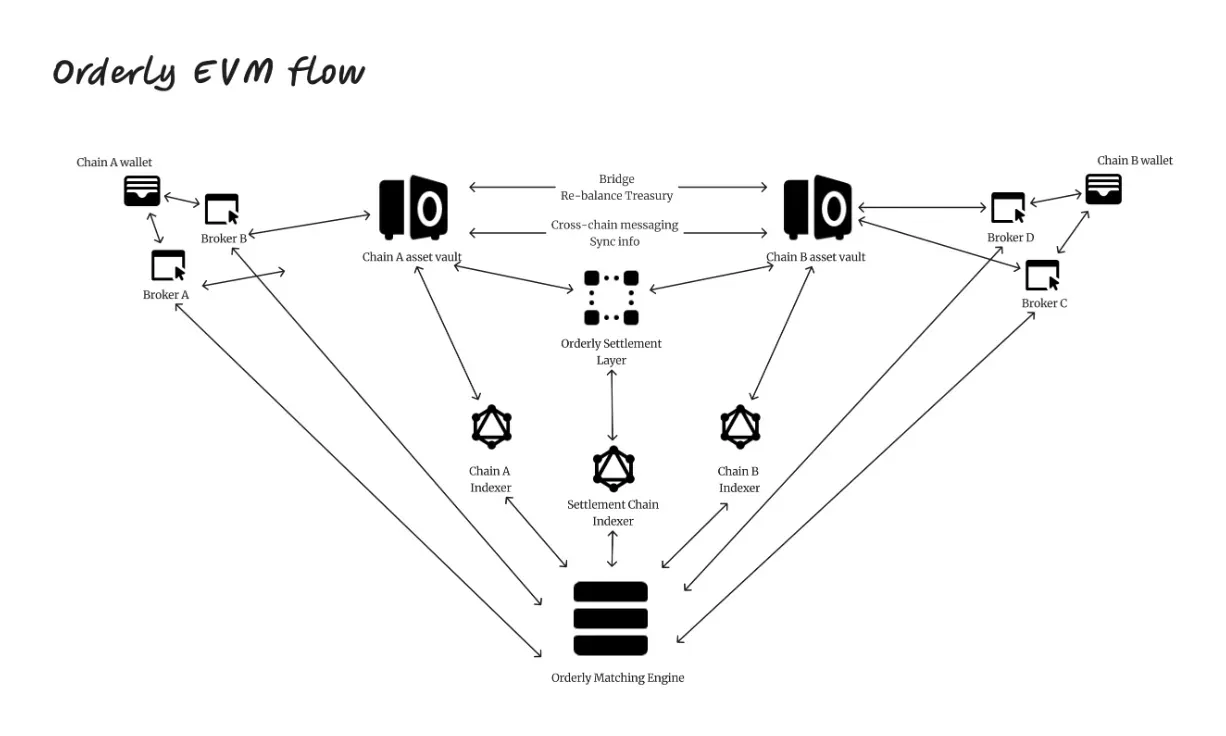
Omnichain UX relies on a unified logical domain where assets and data flow without the friction of traditional bridging. Unlike multichain deployments that run parallel, isolated instances, or cross-chain bridges that merely shuttle assets between two specific chains, omnichain systems merge various blockchains into a single network. This architecture allows developers to build applications that send and receive arbitrary data across multiple blockchain networks, effectively hiding the underlying complexity from the user.
At the core of this system is the Omnichain Token (OFT) standard, defined by LayerZero. Rather than locking tokens in a source vault and minting wrapped equivalents on the destination, OFTs treat the token as a single, composable entity across all chains. This approach eliminates the liquidity fragmentation and smart contract risks associated with legacy bridge models. The LayerZero V2 documentation outlines how this standard enables true interoperability by allowing applications to interact directly with the underlying infrastructure.
This technical foundation shifts the burden of security and execution from the user to the protocol. When a user initiates a transaction, the OFT standard handles the necessary messaging and asset transfers in the background. The result is a seamless flow of data, value, and computation that feels native to the user, regardless of which blockchain they are currently interacting with. This is the critical distinction that enables the high-stakes, high-speed financial interactions expected in modern Web3 markets.
Account abstraction hides the plumbing
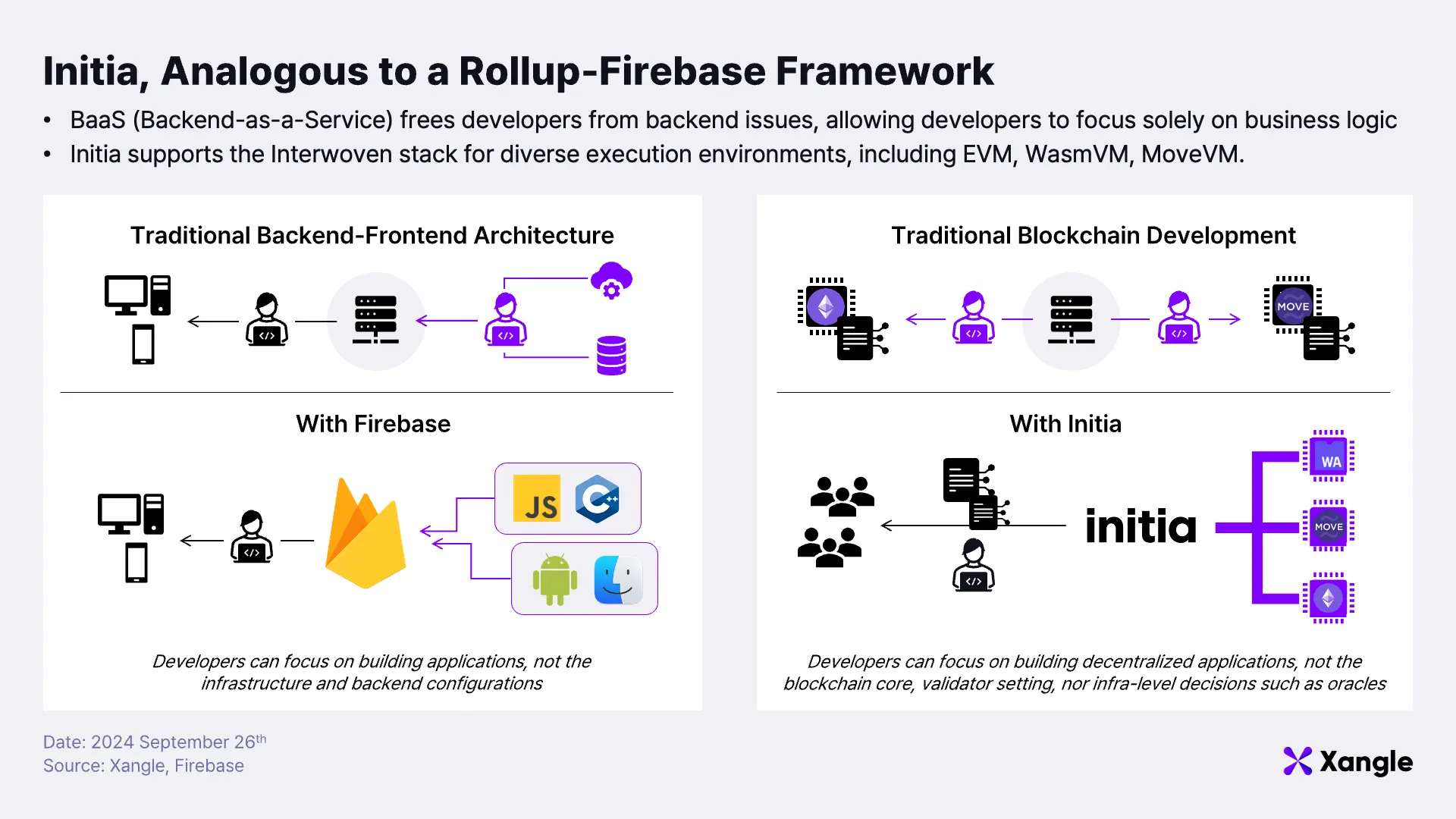
Account abstraction (AA) transforms the wallet from a passive key holder into an active smart contract. For omnichain UX, this shift is not merely cosmetic; it is the mechanism that decouples user identity from the specific gas mechanics of any single chain. By moving gas payment logic into the contract layer, AA wallets allow users to transact without holding native tokens for every destination chain.
The primary friction in cross-chain interaction has historically been gas fragmentation. A user moving assets from Ethereum to Solana traditionally needs ETH for the source, a bridging fee, and SOL for the destination. Account abstraction resolves this by enabling paymasters. A sponsor—often the dApp or a liquidity provider—pays the gas fees on behalf of the user, accepting payment in stablecoins or fiat off-chain. This creates a zero-friction experience where the user interacts with a single interface, unaware of the underlying chain-specific transaction costs.
This abstraction also standardizes signature verification. Instead of managing distinct cryptographic standards (ECDSA, EdDSA, etc.) for different chains, AA wallets can implement flexible signature schemes. This allows for social recovery, multi-factor authentication, and session keys that persist across chains. The result is a unified logical identity that operates seamlessly across the omnichain landscape.
Comparing interoperability protocols
Omnichain UX relies on underlying routers to move data and assets. Developers must choose between centralized bridges, decentralized messaging layers, and modular security frameworks. Each protocol handles security and abstraction differently, directly impacting the end-user experience.
| Protocol | Security Model | Supported Chains | UX Abstraction |
|---|---|---|---|
| LayerZero | End-to-end (Oracle/Relayer) | 300+ | Native (OApp) |
| Chainlink CCIP | Proof-of-Stake (CCIP-R) | 15+ | High |
| Hyperlane | Interchain Security Modules | 100+ | Modular |
| Wormhole | Guardian Network | 30+ | Medium |
LayerZero uses a dual-node oracle and relayer system to verify messages. This approach allows for broad chain support but requires careful selection of oracles. Chainlink CCIP leverages the existing Proof-of-Stake security of the Chainlink network. It offers high assurance for financial transactions but supports fewer chains. Hyperlane provides a modular framework where each chain defines its own security modules. This offers flexibility but increases complexity for developers. Wormhole uses a guardian network of validators. It is widely used but has faced historical security challenges. The choice depends on the trade-off between security, speed, and developer effort.
Building for cross-chain interoperability
Omnichain UX relies on a unified logical domain rather than fragmented bridge mechanics. When building for this environment, developers must prioritize error handling and transaction simulation to prevent user friction. A failed cross-chain transaction is not just a technical glitch; it is a loss of trust that can stall adoption. The LayerZero OApp standard provides a generic messaging interface, but the implementation details dictate the user experience [[src-1]].
Simulate transactions before execution
Users should never guess if a transaction will succeed across chains. Implement pre-flight simulation that checks gas availability, liquidity depth, and message relay status on both source and destination chains. This step reduces failed transactions by validating the path before the user signs. If the simulation fails, provide a clear reason—such as insufficient liquidity or network congestion—rather than a generic error code.
Implement robust retry logic
Cross-chain messaging is asynchronous and prone to temporary delays. Build retry mechanisms that automatically attempt to re-broadcast messages if the initial relay fails due to network congestion or oracle latency. Ensure these retries are idempotent to prevent duplicate transactions. This background resilience allows the application to recover from transient failures without requiring user intervention or manual claim processes.
Provide real-time status feedback
Ambiguity is the enemy of omnichain UX. Users need to see exactly where their transaction stands in the relay process. Display a clear status indicator that updates in real-time, showing stages like "Submitted," "Relaying," and "Settled." Use provider-backed widgets to display current network conditions, helping users understand why a transaction might be taking longer than expected. This transparency reduces support tickets and builds confidence in the platform.
Handle edge cases gracefully
Cross-chain interactions involve multiple actors: the user, the source chain, the relay network, and the destination chain. Each point of failure requires specific handling. For example, if a destination chain reverts the message, the system must alert the user and potentially refund gas fees on the source chain. Document these edge cases in your error handling strategy to ensure consistent user communication across all failure modes.
Check gas, liquidity, and relay status on both chains before initiating the transaction. Simulate the full path to catch failures early.
Build automatic retry mechanisms for transient failures. Ensure retries do not create duplicate transactions on the destination chain.
Show clear, stage-based progress indicators to the user. Use provider-backed widgets to contextualize network delays and conditions.
| Feature | Multichain | Omnichain |
|---|---|---|
| User Experience | Fragmented, bridge-dependent | Unified, single interface |
| Asset Movement | Bridging required | Abstracted, logical domain |
| Development | Parallel chain instances | Generic messaging interface |
Common omnichain application: what to check next
Navigating the shift from multichain to omnichain UX requires understanding how data and assets move without friction. Below are answers to frequent queries about how these systems operate and why they matter for user experience.
No comments yet. Be the first to share your thoughts!