Defining the omnichain UX shift
The transition from multichain to omnichain architecture represents a fundamental change in how users interact with blockchain networks. To understand this shift, it is necessary to distinguish between legacy bridging solutions and the emerging abstraction layer that defines modern omnichain UX.
Legacy multichain bridges function as isolated conduits. They facilitate the movement of assets between two specific chains, requiring users to manually select source and destination networks, manage distinct gas tokens, and execute multiple transactions. This model treats each blockchain as a separate entity, creating friction that hinders adoption. As noted in industry definitions, these systems simply move assets among chains rather than integrating them CoinMarketCap.
In contrast, omnichain systems merge various blockchains into one unified logical domain. This approach leverages chain abstraction to allow seamless interaction, data transfer, and transaction settlement across multiple blockchains without exposing the underlying complexity to the user. The goal is to create a single, coherent experience where the user does not need to be aware of which specific chain is processing their transaction.
This architectural difference is critical for user experience. In an omnichain environment, the infrastructure handles the routing and settlement logic behind the scenes. Projects like LayerZero illustrate this by creating a mesh network where every endpoint can communicate with any other using a common interface LayerZero Docs. The user interacts with a single application, while the omnichain protocol manages the cross-chain execution. This abstraction removes the cognitive load associated with multichain management, making blockchain applications more accessible to non-technical users.
The shift toward omnichain UX is not merely a technical upgrade; it is a response to the limitations of the current fragmented landscape. By abstracting away the complexities of chain selection and asset bridging, developers can focus on building functional applications rather than managing cross-chain logistics. This approach aligns with the broader goal of improving blockchain usability, addressing the poor UX that has historically stalled mass adoption.
Why chain abstraction improves conversion
The primary friction point in current blockchain adoption is the cognitive load placed on users. Traditional multichain interactions require manual network selection, gas token swapping, and bridge approvals. Each step introduces a potential drop-off. Chain abstraction removes these barriers by treating multiple blockchains as a single, unified logical domain. This shift is the core of omnichain UX: the backend complexity is handled automatically, allowing the user to focus on the application's utility rather than its infrastructure.
When the chain becomes invisible, conversion rates improve significantly. Users no longer need to manage multiple wallets or understand which specific network a dApp resides on. Transactions are settled seamlessly across the underlying layers. As noted by Orderly Network, this approach ensures that "the chain becomes invisible to the user," effectively disappearing so that interaction feels native and immediate. This reduction in friction is critical for mass adoption, particularly in high-stakes financial applications where hesitation can lead to lost opportunities.
The business impact is direct. By eliminating the need for users to switch networks or acquire specific gas tokens, applications reduce abandonment at the checkout or transaction initiation stage. Settlement times are faster and more reliable because the abstraction layer optimizes routing across available liquidity. This creates a smoother experience that mirrors traditional web2 applications, making the underlying blockchain technology irrelevant to the end-user's success.
LayerZero and the omnichain mesh
LayerZero has emerged as the foundational infrastructure for the current wave of omnichain UX. Rather than relying on traditional liquidity bridges that move assets between isolated silos, LayerZero provides a messaging protocol that connects distinct blockchains into a single logical domain. This architecture allows developers to build applications that operate seamlessly across networks, reducing the friction that typically fragments user experience.
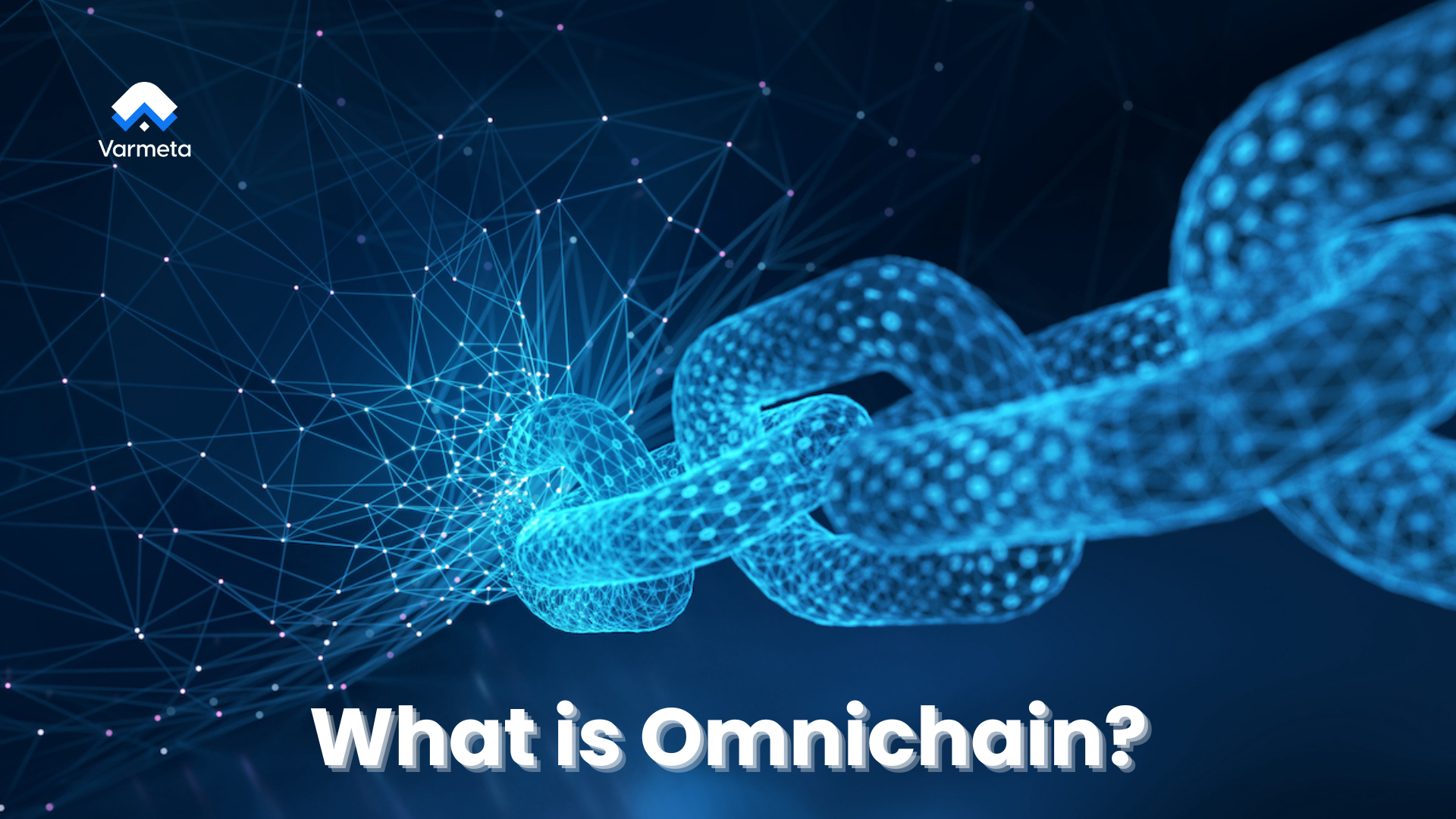
The core of this system is the omnichain mesh network. According to LayerZero’s documentation, this mesh allows every Endpoint to establish a communication pathway with any other Endpoint using a common interface. In practice, this means a user can interact with a dApp on Ethereum while the settlement and data verification occur on other chains, all without manual bridging steps. The protocol relies on a decentralized network of Oracles and Relayers to verify transactions, ensuring security without requiring users to manage multiple wallets or chains.
This approach shifts the complexity from the user to the protocol layer. Instead of choosing between speed and security, omnichain applications can leverage the mesh to optimize for both. The result is a more intuitive experience where the underlying blockchain infrastructure becomes invisible to the end user. As the ecosystem matures, this abstraction is becoming the standard for applications that require cross-chain liquidity and data portability.
Design patterns for unified wallets
The friction of managing multiple chains is dissolving through abstraction. Instead of forcing users to manually bridge assets or juggle different gas tokens for each network, modern omnichain wallets present a single, unified interface. This shift transforms the wallet from a passive storage tool into an active routing engine that handles the underlying complexity in the background.
Abstraction over bridging
Traditional multichain wallets require users to understand which chain a token lives on and how to move it. An omnichain wallet changes this by treating all supported chains as part of one logical domain. The user sees a single balance and a unified transaction history, regardless of where the assets actually reside. The wallet provider manages the liquidity and routing, removing the need for manual swaps or bridge transactions from the user’s perspective.
Unified balance and history
A key design pattern in this evolution is the aggregation of data. Rather than displaying fragmented ledgers for Ethereum, Solana, or Polygon, the interface merges these into a cohesive view. This consolidation allows users to track their net worth and activity without switching contexts. The technical implementation involves indexing data across multiple nodes and presenting a normalized view to the frontend, ensuring that the experience feels native rather than patched together.
Comparison of wallet experiences
The difference between legacy multichain tools and new omnichain designs is stark in daily usage. The table below highlights how the user journey changes when abstraction is applied.
| Feature | Traditional Multichain | Omnichain Abstraction |
|---|---|---|
| Asset Movement | Manual bridging required | Auto-routing behind scenes |
| Gas Fees | Multiple native tokens needed | Single token or auto-paid |
| Balance View | Fragmented per chain | Unified single view |
No comments yet. Be the first to share your thoughts!