

In the sprawling multichain ecosystem of today, users grapple with a fragmented landscape where Layer 2 and Layer 3 solutions promise scalability yet deliver complexity. Manual bridge crossings, network switches, and liquidity silos erode confidence and efficiency. Chain abstraction routers emerge as a prudent solution, crafting invisible cross-chain UX that prioritizes seamlessness over spectacle. By leveraging intents-based architectures, these protocols allow users to declare outcomes while routers orchestrate the rest, fostering a conservative path to interoperable efficiency.

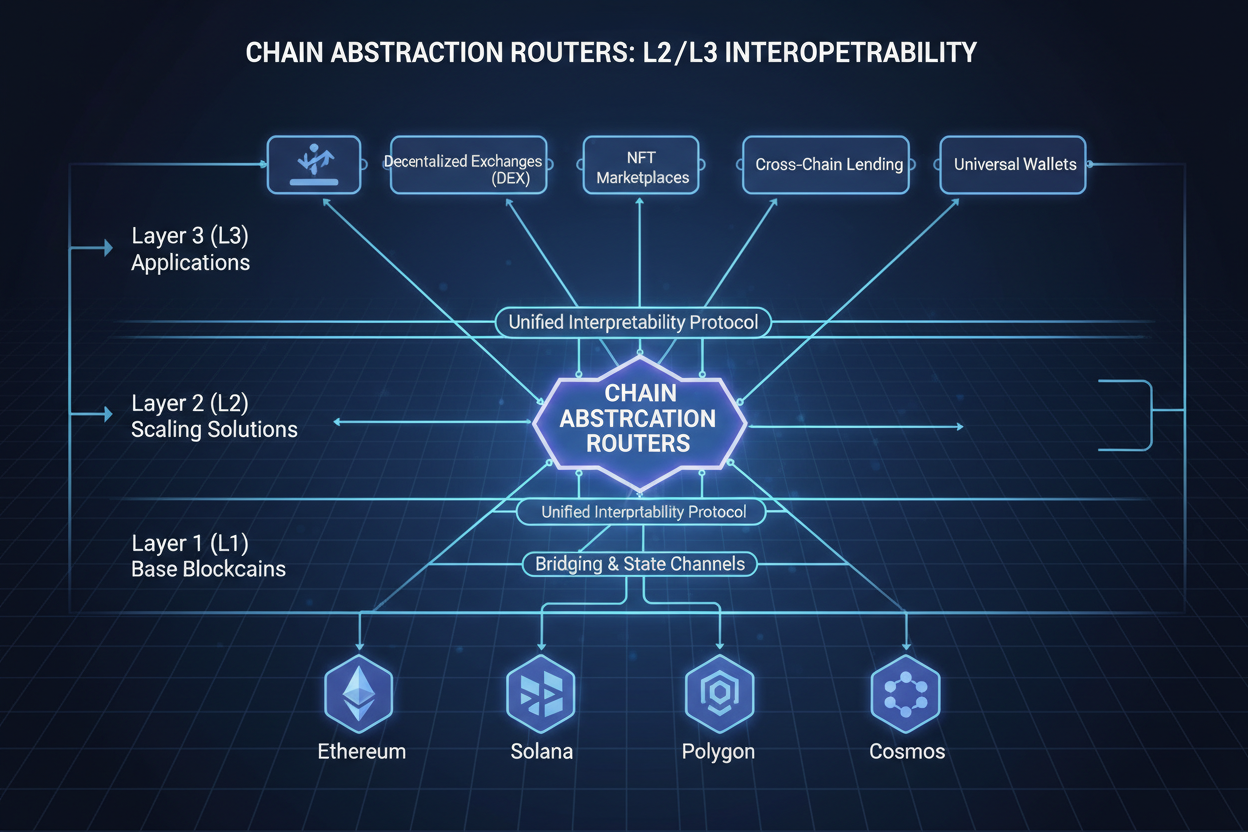
From my vantage as a long-term investor, the appeal lies in their risk-mitigated design. Traditional bridges, prone to exploits, give way to solver networks that distribute execution, enhancing security without sacrificing speed. The updated landscape underscores this shift: protocols like NEAR Intents and ERC-7683 standardize cross-chain swaps across dozens of chains, while ZeroDev unifies accounts and sponsors gas universally. AI-driven optimizations refine paths and fees, signaling sustainable growth over hype-driven volatility.
Intents as the Foundation for Omnichain Routers
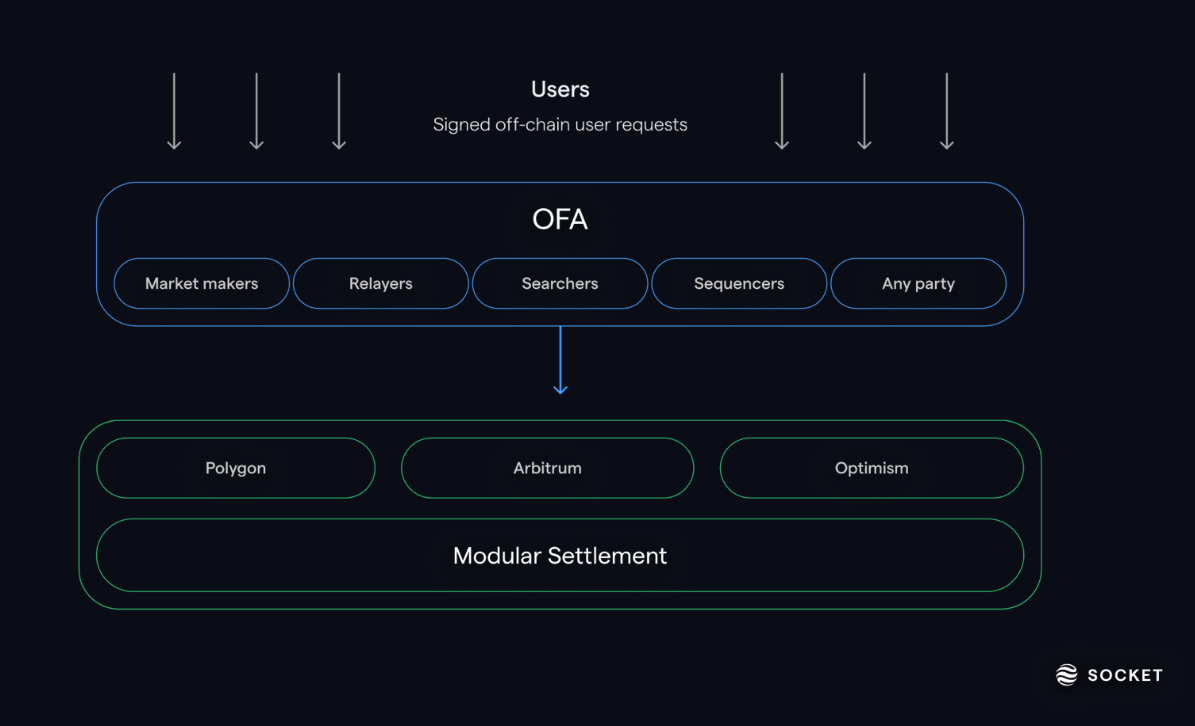
At the heart of chain abstraction routers beats the intent-centric model. Users specify desires, such as “swap USDC on Arbitrum for ETH on Optimism, ” and the router decomposes this into executable steps across chains. This mirrors enterprise middleware but tailored for blockchain’s decentralized ethos. Intents sidestep the pitfalls of rigid smart contracts, empowering solvers, adapters, and aggregators to compete on fulfillment quality.
Consider the mechanics: an intent adapter interprets the user’s goal, broadcasting it to a network of executors. These omnichain routers, often built atop modular stacks, abstract gas, liquidity, and sequencing. NEAR Protocol’s layered approach exemplifies this modularity, stacking account abstraction over data availability and intent resolution. The result? One account, one balance, myriad chains; a unified UX across L2s and L3s that feels native rather than navigated.
Security and Efficiency Gains from L2 L3 Abstraction Protocols
Security aggregation stands out as a conservative investor’s bulwark. By shunning centralized bridges, routers employ decentralized solvers that verify and execute intents collectively. ERC-7683, an emerging standard, codifies this with structured order formats, enabling interoperability without trust assumptions. Platforms like ZeroDev extend this to paymaster-sponsored transactions, eliminating gas as a user friction point.
Efficiency follows suit. Fragmented liquidity, once a DeFi Achilles’ heel, yields to dynamic routing that scans L2s like Base, Scroll, and L3s atop them for optimal paths. AI integration, still nascent, promises further refinement by predicting congestion and fees. Yet prudence dictates caution: while promising, these systems must mature to handle volume without centralization creep.
Key Benefits of Intent-Based Routers
-
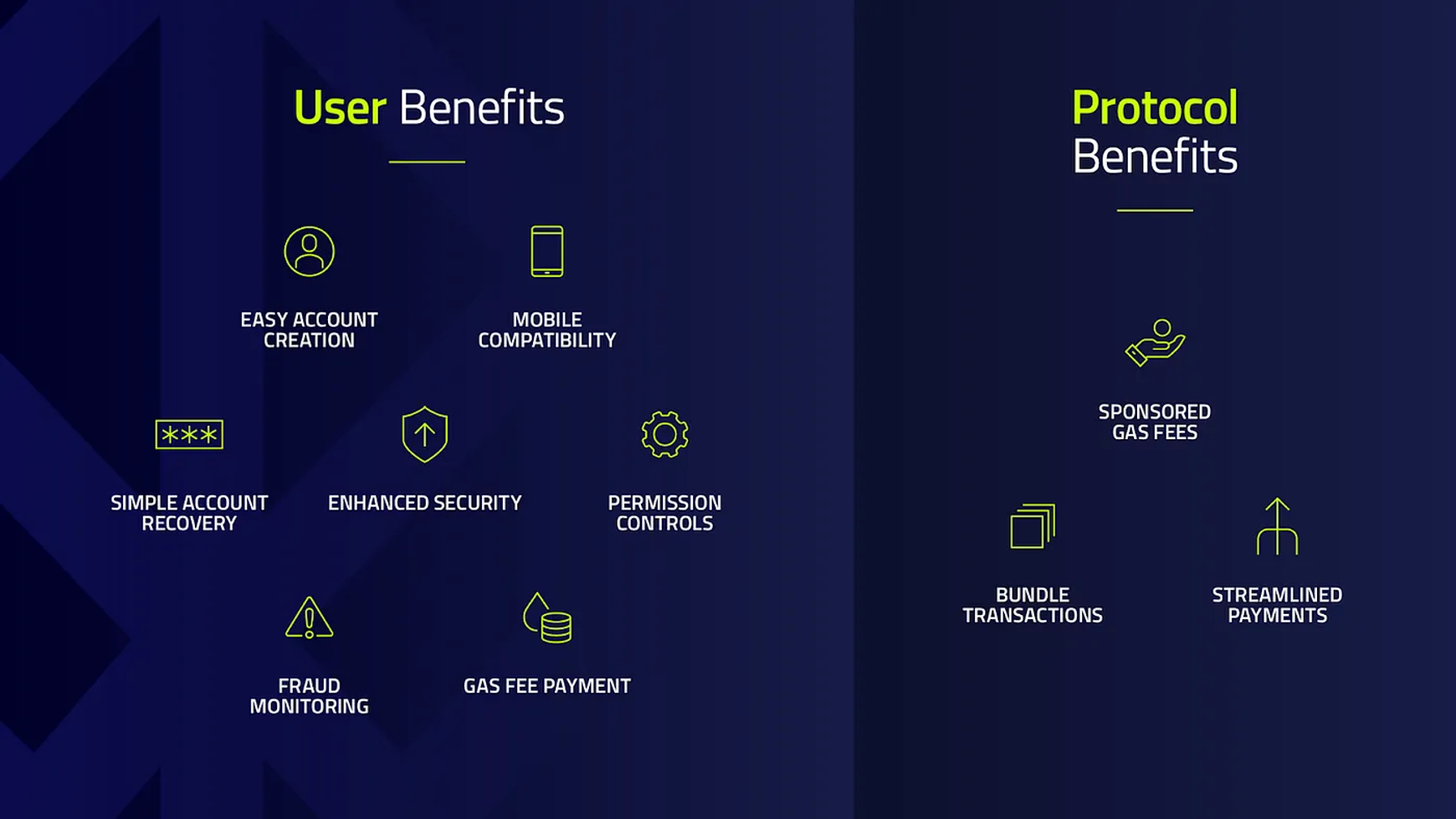
Enhanced Security: Reduces reliance on vulnerable bridges through intent fulfillment protocols like NEAR Intents.
-
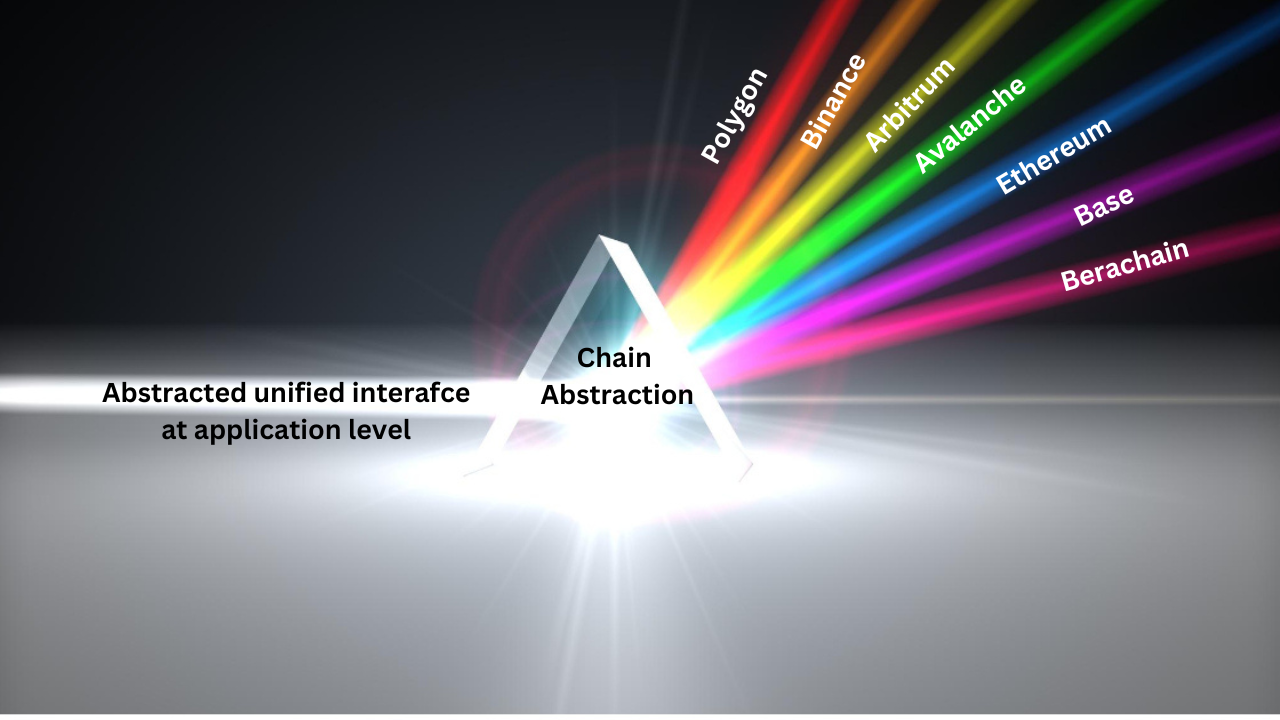
Unified Accounts: Supports single account management across L2s and L3s, as with ZeroDev infrastructure.
-
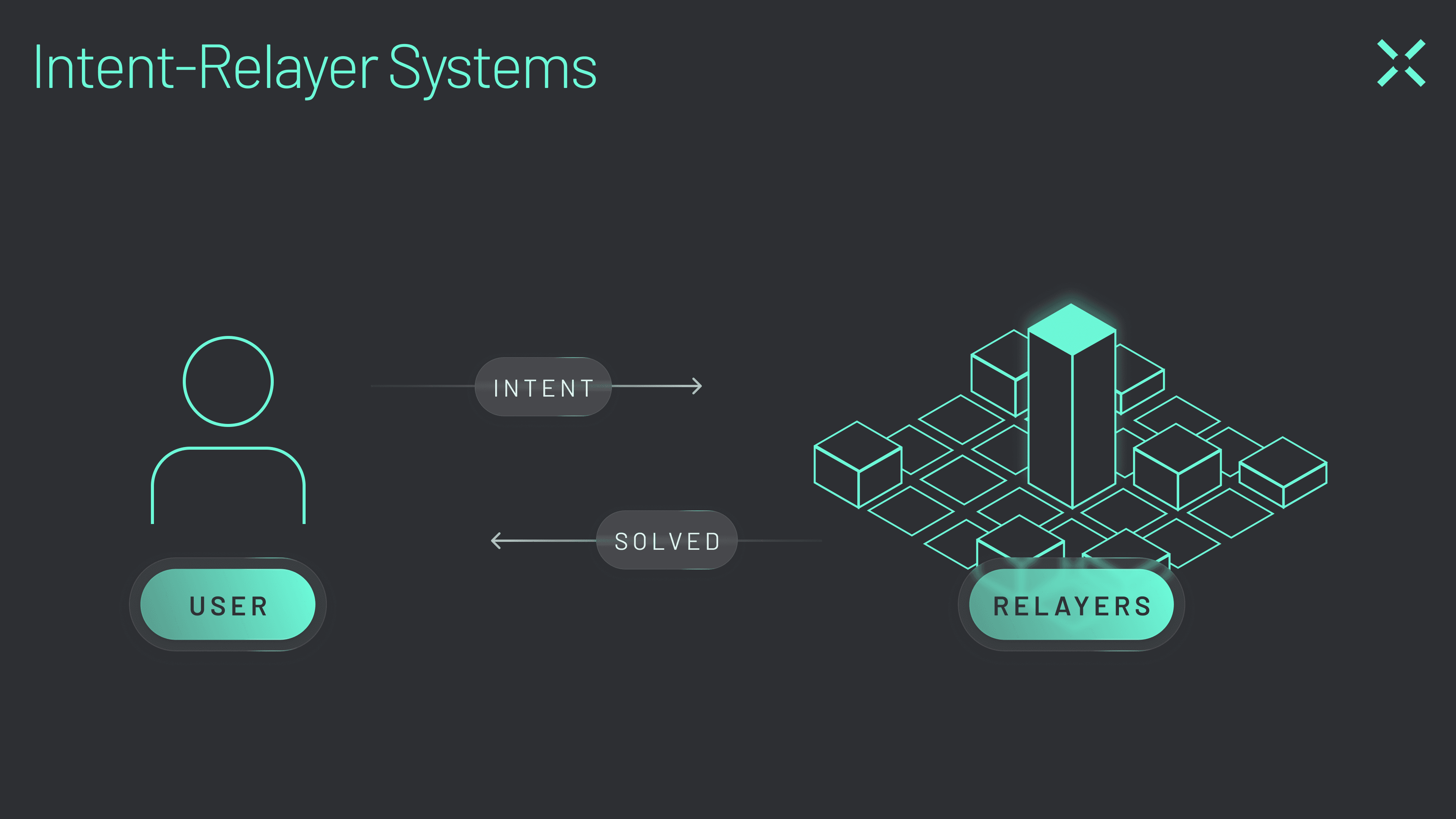
Seamless Swaps: Enables cross-chain token swaps via standards like ERC-7683 without manual intervention.
-
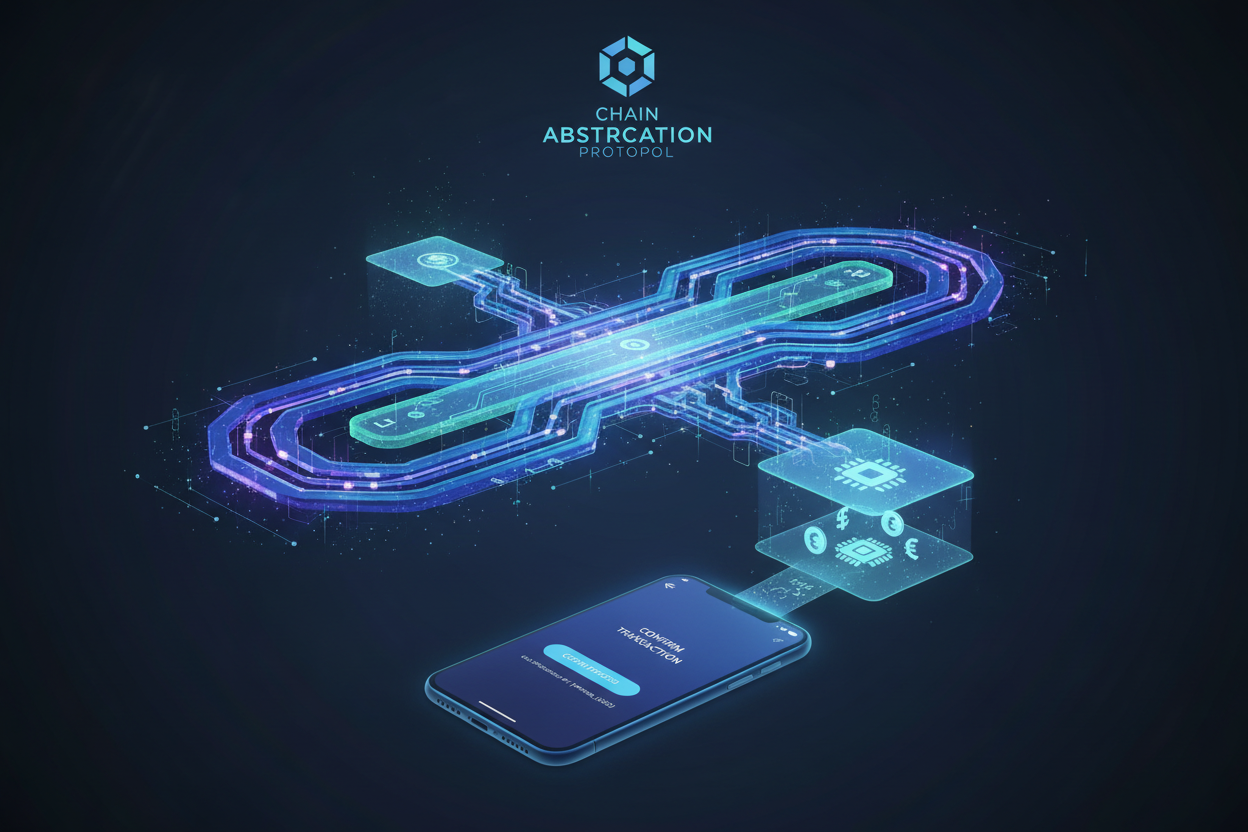
Universal Gas: Abstracts gas fees with sponsorship models for frictionless multi-chain interactions.
Real-World Trajectories and Developer Empowerment
Developers, long burdened by chain-specific integrations, now build once and deploy everywhere. Chain abstraction layers translate high-level intents into chain-native actions, boosting DevEx. Web3Auth and LI. FI highlight how this simplifies dApps, from DeFi aggregators to NFT marketplaces. Etherspot’s unified interface abstracts blockchains entirely, letting users interact via familiar wallets oblivious to underlayers.
In practice, omnichain routers like those from Router Protocol deploy intent adapters as intermediaries, fulfilling commands across ecosystems. Avail’s infrastructure patterns remove the need for chain awareness, while arXiv’s Omnichain Web envisions autonomous liquidity management. This convergence points to a Web3 where cross-chain UX simplification is default, not deluxe.

Early adopters report reduced failure rates and faster settlements, underscoring long-term value. As L2s proliferate, protocols prioritizing unified UX L2 L3 will delineate winners from also-rans, rewarding patient capital over speculative fervor.
Yet maturity demands scrutiny. While intents-based chain abstraction glimmers with potential, centralization risks lurk in solver dominance. A handful of aggregators controlling execution flows could mirror oracle pitfalls of yore. Conservative builders counter this with open standards like ERC-7683, ensuring competitive landscapes where multiple routers vie for fulfillment. From an investment lens, protocols demonstrating decentralized solver diversity merit allocation; those tethered to single points warrant pause.
Comparative Landscape of Leading Omnichain Routers
Distinguishing omnichain routers requires a measured gaze at their stacks. NEAR Intents pioneer modular abstraction, layering intents over account unification for one-click multichain actions. Router Protocol’s adapters bridge legacy systems, interpreting cross-chain commands with precision. LI. FI’s intent-centric solvers optimize swaps, abstracting liquidity across L2s like Arbitrum and L3 rollups. Each excels in niches: NEAR for developer stacks, LI. FI for DeFi depth, ZeroDev for wallet simplicity.
Comparison of Top Chain Abstraction Routers
| Router | Core Technology | Key Features | Primary UX Improvement |
|---|---|---|---|
| NEAR Intents | Modular stack | One account across L2s/L3s, layered abstraction | Invisible cross-chain with single account ✨ |
| LI.FI | Intent solvers | Cross-chain swaps, liquidity management | Seamless intent-based token exchanges without bridges |
| Router Protocol | Cross-chain adapters | Intent fulfillment, process streamlining | Unified interface for cross-chain commands |
| ZeroDev | Gas sponsorship | Unified account, universal gas across chains | No manual network switches or gas handling |
This table illuminates paths forward. Investors should weigh TVL growth against solver decentralization; protocols with rising adoption yet robust competition signal enduring value. Eco. com’s unified interface layer translates intents seamlessly, while CryptoEQ’s aggregation suites fortify security. Block Magnates notes how abstraction tames gas and liquidity fragmentation, a boon for sustainable scaling.
Building with L2 L3 Abstraction Protocols: A Prudent Roadmap
For developers eyeing cross-chain UX simplification, start with intent SDKs. Integrate ERC-7683 for standardized orders, then layer paymasters for gasless flows. Web3Auth streamlines wallet onboarding, masking chain specifics. A step-by-step embrace yields dApps where users swap, lend, or stake oblivious to L2/L3 undercurrents. Avail Blog advocates chain-agnostic patterns, freeing builders from per-network toil.
Integrate Chain Abstraction Routers: A Practical Developer Guide

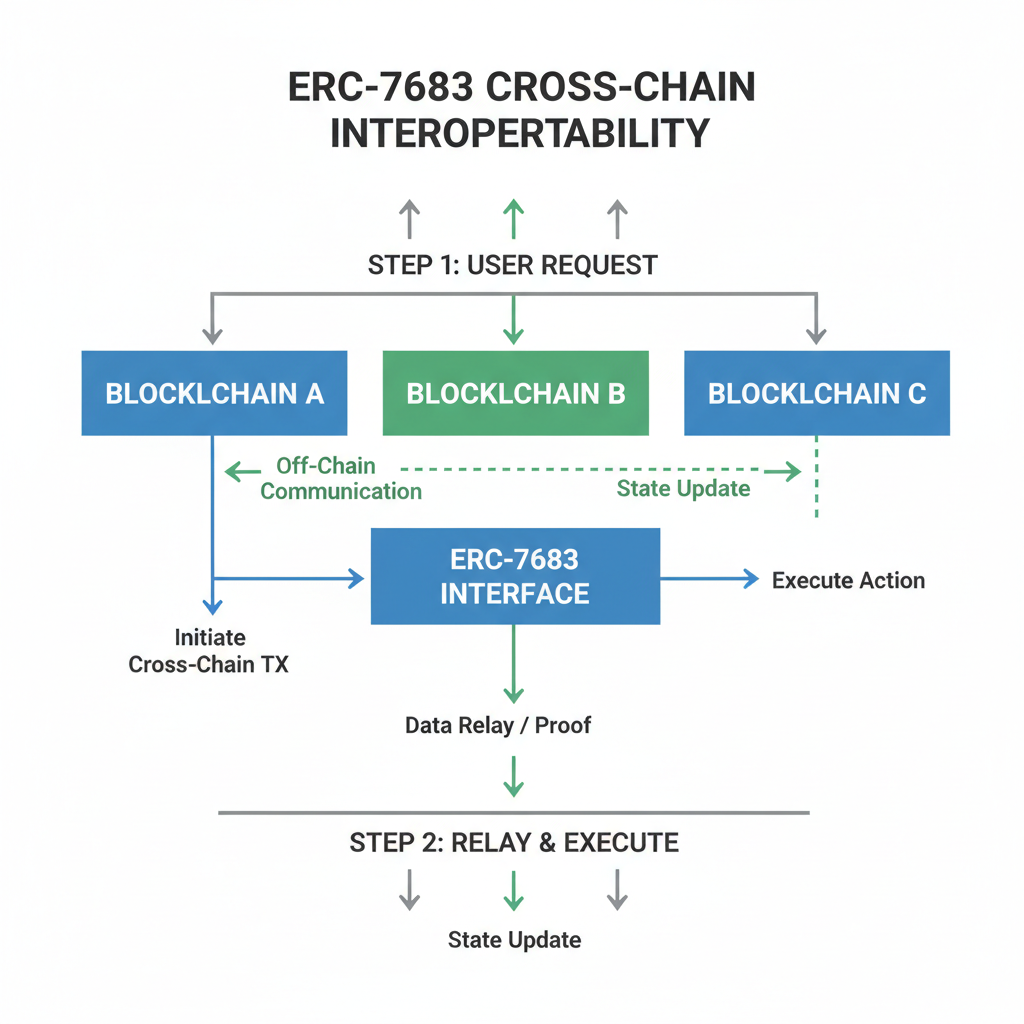
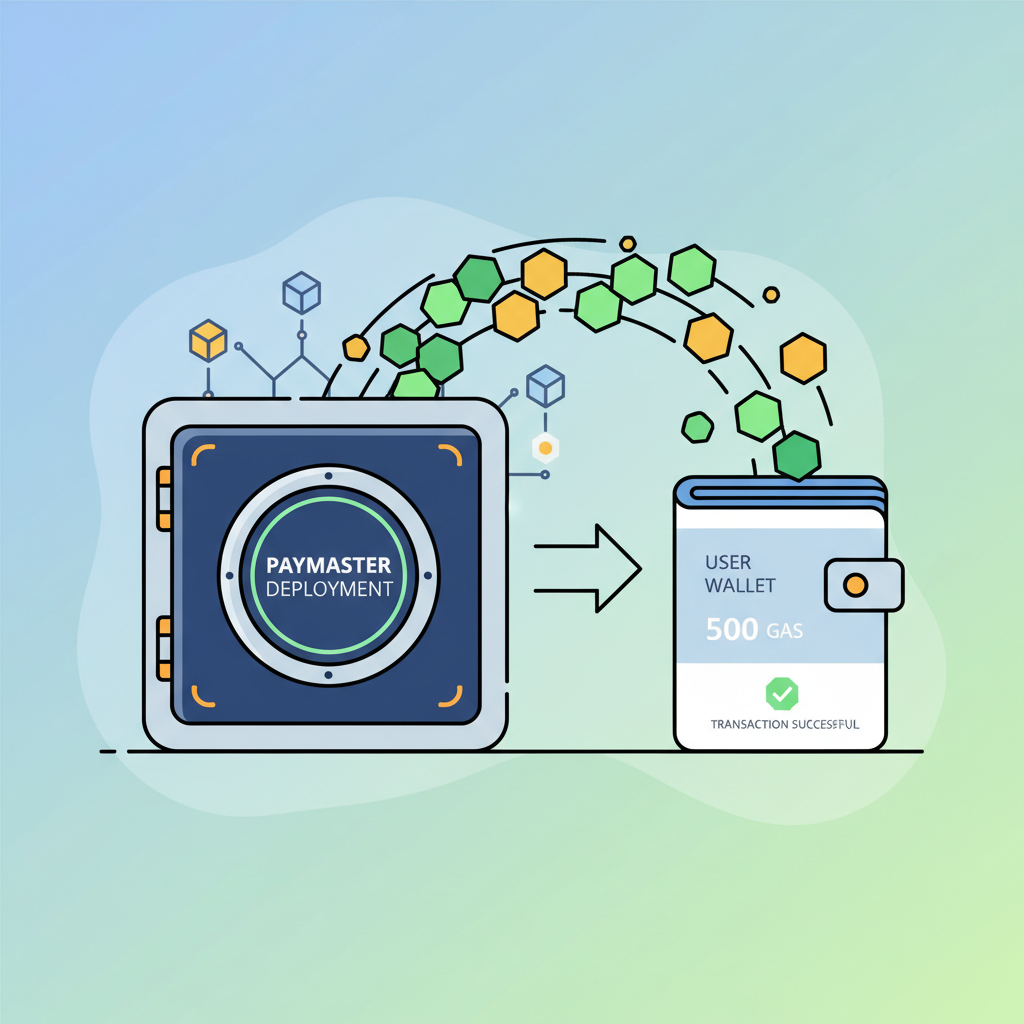
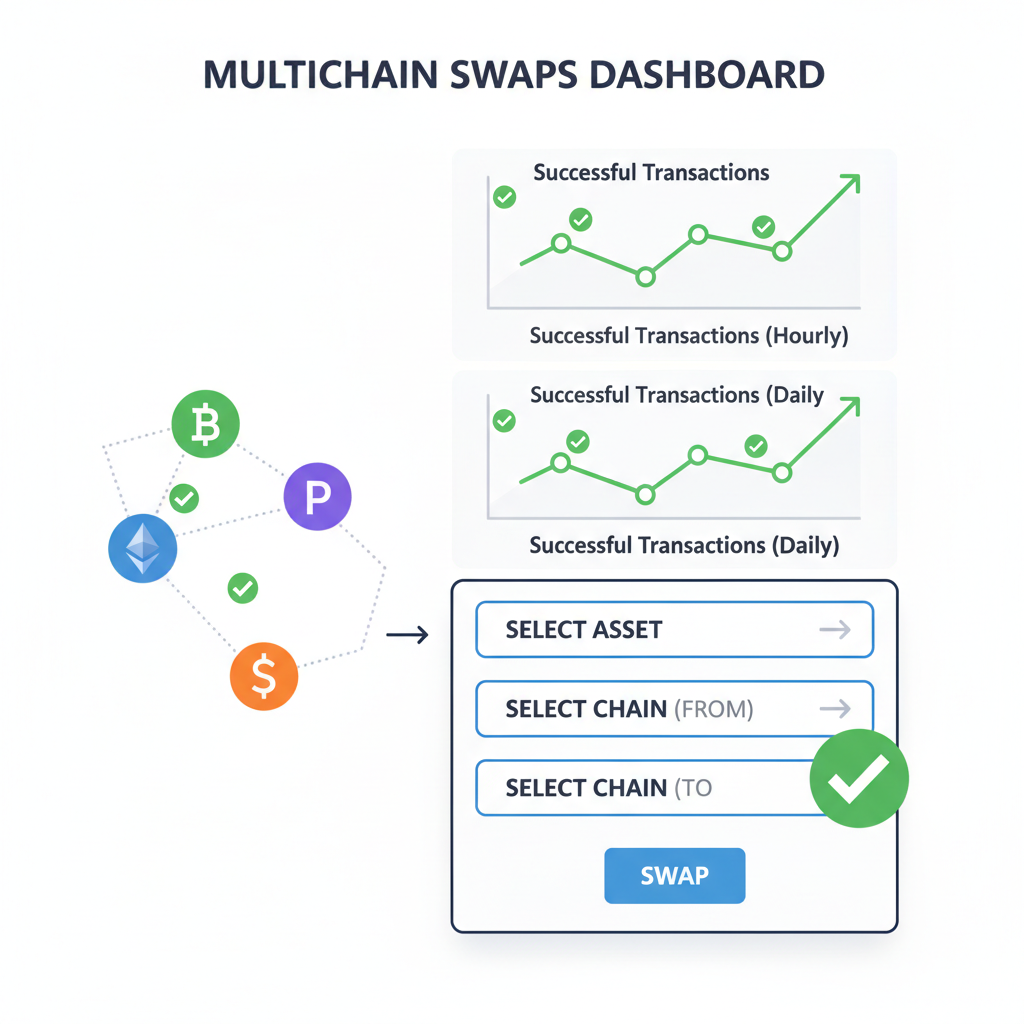
Prudence tempers enthusiasm: audit solvers rigorously, simulate high-volume intents, and monitor for MEV extraction. Etherspot’s model proves viable, empowering single-interface multichain mastery. As L3s nest atop L2s, routers abstracting this hierarchy unlock nested scalability without nested complexities.
Users, too, benefit tangibly. Imagine approving one signature for a cascade of actions: bridging, swapping, restaking across ecosystems. Intent brokers, per CryptoEQ, orchestrate this ballet, with decentralized frontends rendering it intuitive. ArXiv’s Omnichain Web extends autonomy, letting AI agents manage liquidity proactively. Yet investors like myself prioritize protocols stress-tested against volatility; those weathering 2022’s winter intact foreshadow resilience.
Investment Thesis: Sustainable Value in Intents-Based Abstraction
Over 18 years charting fundamentals, chain abstraction routers resonate as low-risk multipliers. They do not chase moonshots but fortify foundations, enhancing capital efficiency across fragmented chains. Metrics to track: solver throughput, failure rates below 1%, and TVL compounding sans bridges. NEAR’s ecosystem, buoyed by intents, exemplifies measured ascent; ZeroDev’s sponsorship model curbs user drop-off, nurturing retention.
Regulatory tailwinds aid this trajectory. As clarity emerges on DeFi composability, abstracted interfaces lower entry barriers, broadening adoption conservatively. Forward thinkers at Router Protocol and beyond position for an era where L2/L3 proliferation fuels, rather than fragments, growth.
The multichain mosaic coheres through these routers, rendering unified UX L2 L3 not aspiration but architecture. Patient allocators, favoring intents-based chain abstraction, stand to harvest interoperability’s quiet revolution. In Web3’s maturing canvas, seamlessness endures as the ultimate value proposition.
About the Author