


In a world where Bitcoin trades at $69,965.00, up a modest $168.00 over the last 24 hours, the dream of using BTC as collateral in DeFi apps on Ethereum L2s or even nested L3s feels tantalizingly close. Yet traditional bridges, those clunky connectors between chains, often introduce delays, fees, and hack risks that kill the vibe. Enter chain abstraction routers, the smart architects of unified UX across L2s and L3s. These protocols let you deposit BTC or ETH on one chain and instantly leverage it elsewhere for lending, trading, or yield farming, all without bridging. No locked funds, no waiting periods, just fluid omnichain DeFi liquidity.

Why Bridges Are the Past and Routers Are the Future
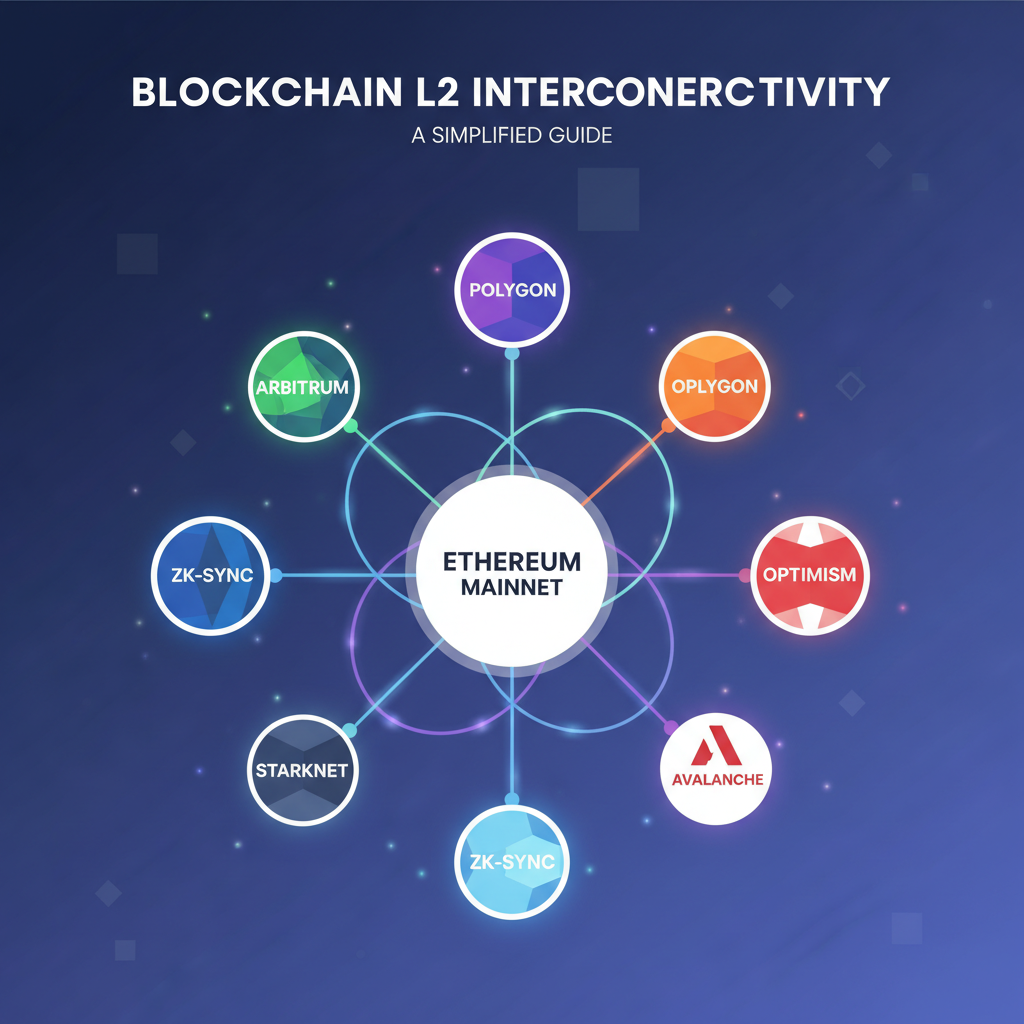
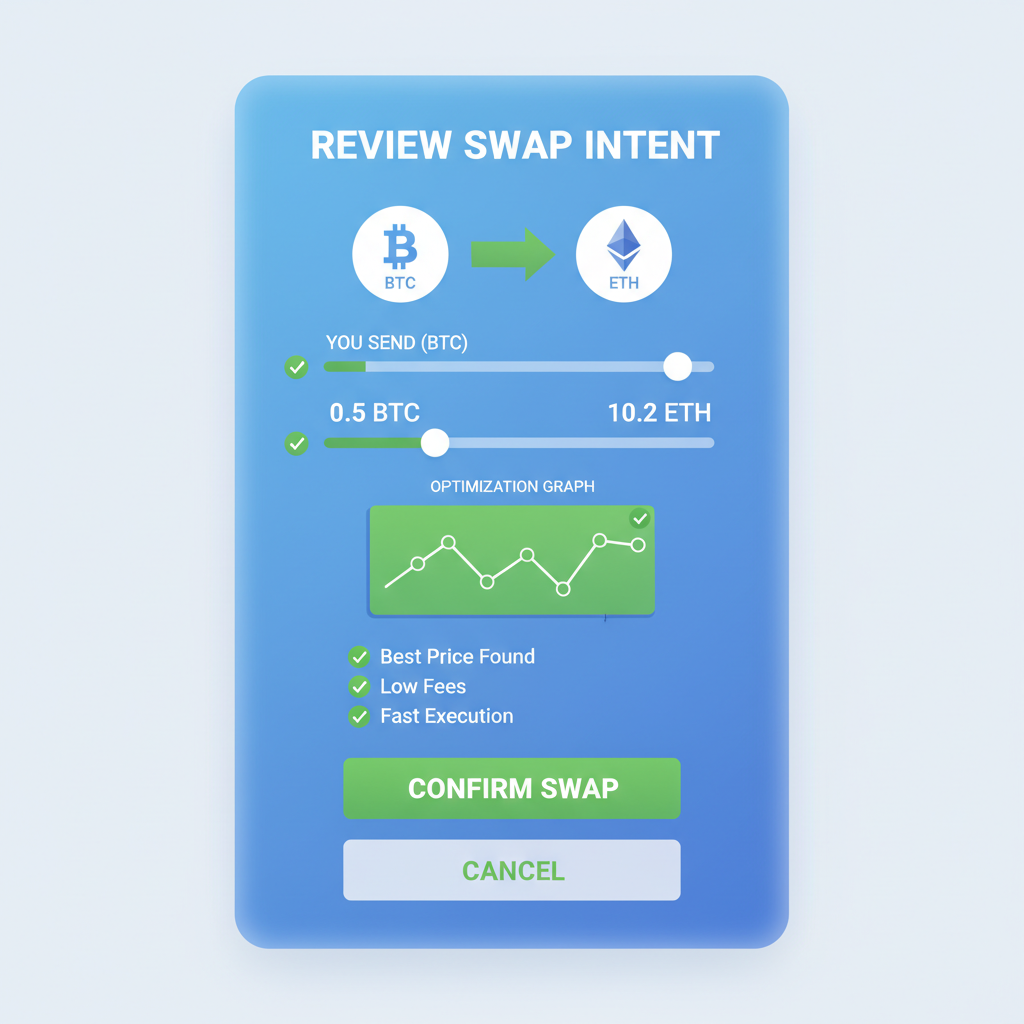
Picture this: you hold BTC at its current $69,965.00 price point and want to collateralize it on an Arbitrum L3 for a high-yield strategy on a Polygon L2. With bridges, you’d wrap your BTC, cross over, unwrap, and pray nothing goes wrong, like the billions lost in past exploits. Chain abstraction routers flip the script using intent-based architectures. You declare your intent, say “use my BTC as collateral for this ETH loan on any L2,” and solvers compete to fulfill it off-chain, settling on-chain seamlessly.
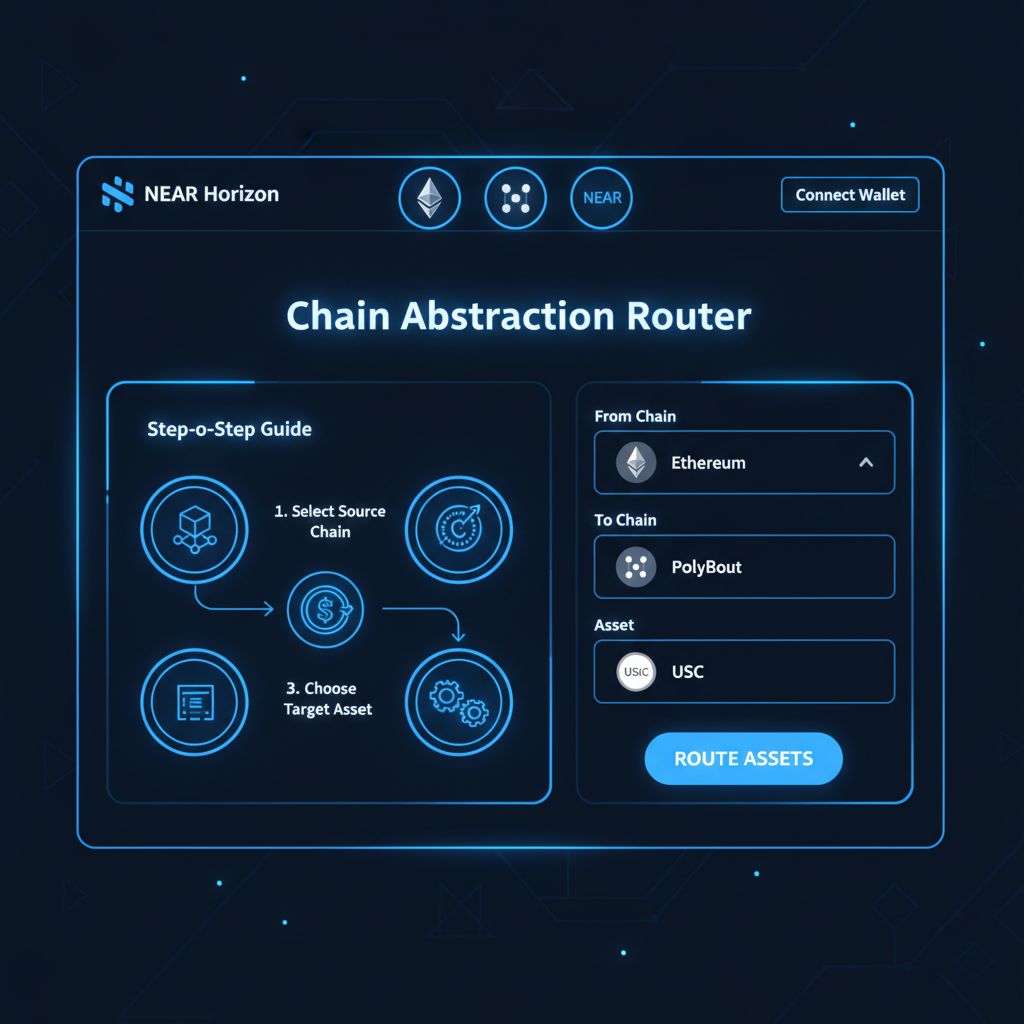
NEAR leads here with its routers, enabling apps to span ecosystems effortlessly. A cross-chain yield farm pulls liquidity from multiple L2s without users noticing the handoffs. This no bridge chain abstraction slashes gas fees and abstraction layers, making multichain feel like monocchain. Intents go beyond swaps, handling batch ops or conditional trades, all while keeping your assets native and secure.
BTC and ETH Collateral: From Siloed to Shared Across Layers
Collateralization has been chain-bound, but routers change that. Deposit BTC on Bitcoin, mint an omnichain stablecoin usable on ETH L2s, or directly leverage ETH across L3s. River’s chain-abstraction stablecoin system exemplifies this: collateral in on one chain, mint anywhere. With BTC at $69,965.00, its stability amid a 24-hour high of $71,313.00 makes it prime for such use, boosting capital efficiency without fragmentation.
Singularity Protocol takes it further with cross-chain AMMs that skip intermediate tokens and bridges. Volatility? Mitigated. Gas? Minimal. Your BTC collateral flows into L2 liquidity pools, earning yields on L3 perps, all router-mediated. This cross-chain collateralization unlocks trillions in idle BTC and ETH, turning them into active DeFi engines.
Intents and Solvers Powering Frictionless Execution
At the heart of intents-based routers for L2 are solvers and standards like ERC7683. This cross-chain intents framework optimizes solver UX, funneling most intents to a universal network. No more chain-specific gas; platforms like LI. FI or SODAX abstract it away. Traders execute one-click cross-L2 swaps, with BTC at $69,965.00 funding ETH positions instantly.
Decentralized Cross-Chain Channel Networks (CCN) add privacy via zero-knowledge proofs, enabling multi-hop transactions without leaks or failures from offline nodes. Imagine BTC collateral hopping from an L2 DEX to an L3 oracle feed, all indistinguishable to adversaries. These layers build a robust unified UX L2 L3 stack, where users focus on strategy, not plumbing.
Bitcoin (BTC) Price Prediction 2027-2032
Projections factoring chain abstraction liquidity boosts for seamless BTC collateral across L2s and L3s without bridges
| Year | Minimum Price | Average Price | Maximum Price | YoY Growth % (Avg from 2026 $80K baseline) |
|---|---|---|---|---|
| 2027 | $70,000 | $105,000 | $160,000 | +31% |
| 2028 | $100,000 | $180,000 | $320,000 | +71% |
| 2029 | $140,000 | $260,000 | $450,000 | +44% |
| 2030 | $200,000 | $380,000 | $650,000 | +46% |
| 2031 | $280,000 | $520,000 | $900,000 | +37% |
| 2032 | $380,000 | $720,000 | $1,200,000 | +38% |
Price Prediction Summary
Bitcoin’s price is forecasted to grow significantly from 2027 to 2032, driven by chain abstraction routers that enhance BTC’s utility as collateral in DeFi across multiple chains. Average prices rise from $105K to $720K, with bullish maxima reflecting adoption surges and halving effects, while minima account for potential market corrections.
Key Factors Affecting Bitcoin Price
- Chain abstraction technologies enabling bridge-less BTC collateralization and liquidity boosts
- Improved interoperability and user experience across L2/L3 networks
- Bitcoin halving in 2028 creating supply scarcity
- Rising DeFi TVL and capital efficiency
- Institutional adoption and regulatory clarity
- Macroeconomic cycles and technological advancements
Disclaimer: Cryptocurrency price predictions are speculative and based on current market analysis.
Actual prices may vary significantly due to market volatility, regulatory changes, and other factors.
Always do your own research before making investment decisions.
Solvers compete on speed and cost, routing your intent through optimal paths. For ETH holders, this means collateralizing on Base L2 and deploying on Optimism L3 without a hitch. The result? Higher returns, lower risks, and a multichain world that finally works for humans.
Builders are already deploying these routers in production. Take a DeFi lending protocol where BTC at $69,965.00 backs loans on Arbitrum L3s, with yields aggregated from Polygon L2s. No user needs to bridge; the router handles representation via intents, settling atomically. This omnichain DeFi liquidity model pulls from fragmented pools, creating deep markets that rival centralized exchanges.
Seamless BTC Swaps Across L2s: NEAR Chain Abstraction Demo


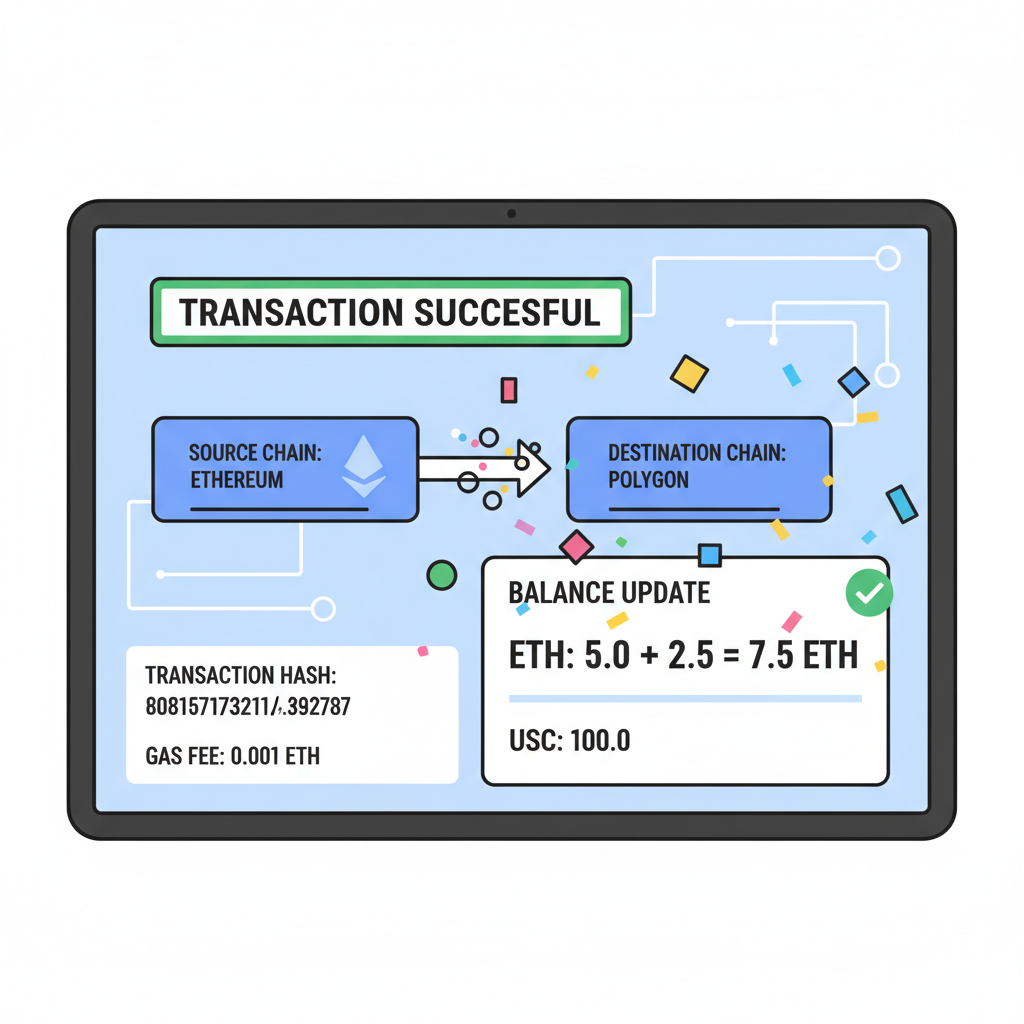
Security Edges Over Bridge Nightmares
Bridges have bled billions, from Ronin to Wormhole. Chain abstraction routers sidestep this by keeping assets native. Intents are fulfilled off-chain by solvers bonded with collateral, slashing exploit incentives. CCN’s zero-knowledge layers ensure privacy, vital as BTC holds steady post its 24-hour low of $69,459.00. Developers sleep better knowing no bridge chain abstraction means no single point of failure.
Yet, it’s not flawless. Solver centralization risks lurk, though competition via ERC7683 disperses them. L3 nesting adds complexity, but protocols like NEAR’s chain abstraction routers scale intents across layers, abstracting the mess. With 23 protocols vying for dominance, from live to testnet, the market’s maturing fast.
For Builders: Integrating Routers into Your Stack
Want to build? Start with NEAR’s SDK for intents-based routers L2. Define user intents in JSON-like structures: “Collateralize 0.1 BTC at $69,965.00 equivalent on ETH L2 for 20% APY yield. ” Solvers bid, execute, and relay proofs. LI. FI abstracts gas, letting you focus on UX. Test on local chains mimicking L3 nests, deploy to mainnets spanning ecosystems.
Singularity’s cross-chain AMM APIs plug in seamlessly, routing liquidity without wrapped tokens. For privacy hawks, layer CCN atop for zk-secured hops. This stack empowers dApps like omnichain perps or NFT collateral vaults, where BTC funds ETH derivatives instantly.
Top Chain Abstraction Protocols: NEAR, Singularity, LI.FI, CCN
| Protocol | Key Features | TVL Estimate | L2/L3 Support |
|---|---|---|---|
| NEAR | Chain abstraction routers for multi-ecosystem apps (e.g., cross-chain yield farms)\nNEAR Intents for batch txns, conditional trades\nNo bridges needed ✅ | TBD | Polygon L2s, Arbitrum L3s, Ethereum, others ✅ |
| Singularity | Cross-chain AMM without bridges or intermediate tokens\nMitigates volatility & bridging risks\nLower gas requirements ✅ | TBD | Multiple L2/L3 networks ✅ |
| LI.FI | Intent-based solvers for one-click cross-L2 swaps\nOptimizes routes, abstracts gas fees\nSeamless trading UX ✅ | TBD | Cross-L2 (Arbitrum, Optimism, Polygon, etc.) ✅ |
| CCN | Decentralized Cross-Chain Channel Networks\nZK proofs for privacy-preserving multi-hop txns\nHandles offline nodes & adversarial settings ✅ | TBD | L2/L3 chains with off-chain coordination ✅ |
Users benefit too. Deposit BTC once, borrow across chains. ETH holders stake on L1, leverage on L2s via routers. Capital efficiency soars as idle assets whirl through unified UX L2 L3, chasing yields without vigilance.
The Road Ahead: Trillions Unlocked
River’s stablecoin system hints at the prize: deposit collateral anywhere, mint omnichain USDC usable everywhere. Pair with BTC’s resilience at $69,965.00, and you fuel DeFi’s next leg. As L3s proliferate, routers evolve, incorporating AI solvers for predictive routing. Fragmentation fades; multichain becomes your chain.
Twenty-three protocols signal a crowded, innovative field. NEAR’s maturity, ERC7683’s standardization, and arXiv breakthroughs like CCN position chain abstraction routers as DeFi’s backbone. Builders gain tools for frictionless apps; users get power without puzzles. BTC and ETH collateral flows freely now, across L2s and L3s, proving Web3 can scale without selling its soul.
Embrace this shift. Experiment with a yield farm router today, watch your BTC work harder across layers. The multichain era arrives, seamless and secure.
About the Author