

In the fragmented world of Layer 2 and Layer 3 networks, where liquidity splinters across isolated ecosystems, MultichainZ protocol emerges as a beacon of unified liquidity omnichain innovation. This omnichain credit solution redefines DeFi by enabling users to borrow against yield-bearing real-world assets (RWAs) without the hassles of bridging or chain-specific constraints. As of February 2026, MultichainZ boasts a Total Value Locked (TVL) of $177,417, with the bulk concentrated on Plume Mainnet, signaling early traction in a competitive field.

The protocol’s strength lies in its chain abstraction L2 L3 approach, which abstracts away the complexities of cross-chain interactions. Users leverage assets like RWAs, liquid staking derivatives, stablecoins, and synthetics as collateral across networks such as Plume, Base, and Arbitrum. This creates a seamless environment where collateral works universally, offsetting borrowing costs through yield generation and fostering capital efficiency.

Omnichain Collateral Engine: No Bridging Required
At the heart of MultichainZ is its Omnichain Collateral Engine, a sophisticated mechanism that allows instant leverage of assets on any supported chain. Traditional DeFi protocols tether liquidity to specific pools, leading to inefficiencies and idle capital. MultichainZ flips this script by treating collateral as chain-agnostic, enabling it to underpin loans wherever liquidity is needed most.
Consider a user holding yield-bearing RWAs on Arbitrum. Without MultichainZ, accessing credit on Base would demand cumbersome bridges, exposing them to risks like delays and exploits. Here, the protocol’s routing infrastructure coordinates multi-chain liquidity dynamically, ensuring cross-chain DeFi UX feels native and intuitive. This unification not only boosts efficiency but also amplifies yield opportunities, as borrowing costs are partially offset by the assets’ inherent returns.
Addressing Liquidity Fragmentation in Web3
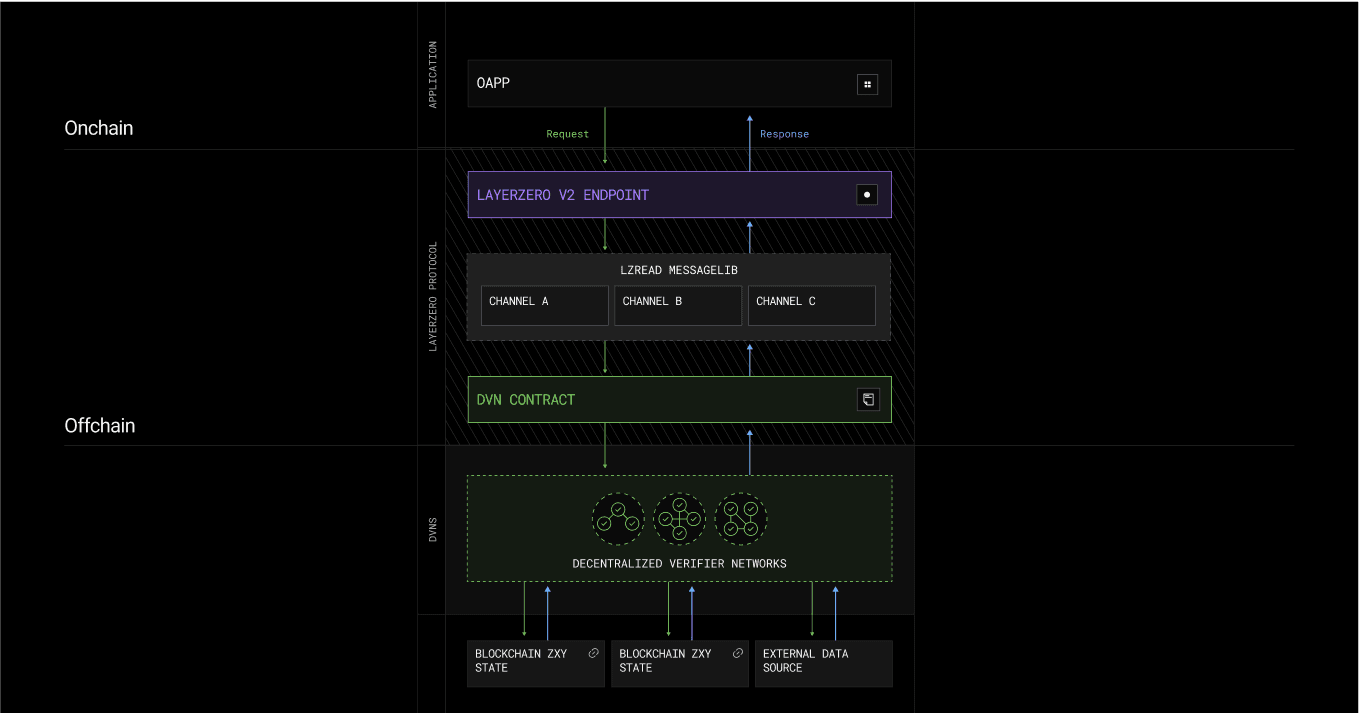
Liquidity fragmentation remains a persistent thorn in Web3’s side, with siloed L2s and L3s draining capital efficiency. MultichainZ protocol tackles this head-on through its omnichain credit system, which mobilizes credit across chains without asset movement. Drawing from intent-based architectures, it empowers users with seamless interactions, much like how omnichain frameworks streamline data and assets natively across ecosystems.
Analytics reveal the protocol’s edge: post-mainnet launch in 2025, following robust testnet phases that introduced token and NFT lending, MultichainZ has carved a niche in RWA lending. Its integration within the Chainlink Ecosystem underscores reliability, leveraging oracles for secure, real-time pricing. For conservative investors like myself, this focus on fundamentals, solid interoperability without speculative hype, bridges the multichain divide effectively.

Intent-Based Routers Powering Seamless UX
Diving deeper, MultichainZ’s use of intent-based routers represents a leap in chain abstraction. These routers interpret user intents, such as “borrow against my RWA collateral on the cheapest chain”: and execute them across L2s and L3s autonomously. This shifts DeFi from rigid transactions to fluid, user-centric experiences, reducing slippage and gas costs inherent in manual cross-chain maneuvers.
The native $CHAINZ token incentivizes participation, rewarding on-chain engagement and community governance. With TVL at $177,417 dominated by Plume, the protocol demonstrates scalable growth potential. Early adopters benefit from enhanced liquidity access, while developers gain tools to build frictionless dApps. In my view, this positions MultichainZ as a conservative bet on interoperability’s future, prioritizing utility over volatility.
| Network | TVL Share | Key Assets |
|---|---|---|
| Plume Mainnet | Majority | RWAs, LSTs |
| Base | Growing | Stablecoins |
| Arbitrum | Emerging | Synthetics |
This network breakdown underscores MultichainZ protocol’s strategic focus on high-yield environments like Plume Mainnet, while laying groundwork for diversified growth. As liquidity pools deepen on Base and Arbitrum, expect TVL to compound, driven by the protocol’s ability to aggregate fragmented capital without traditional bridging overheads.
$CHAINZ Tokenomics Overview
| Metric | Utility | Benefits | |
|---|---|---|---|
| TVL: $177,417 (Plume Mainnet 🌊) | Protocol liquidity depth & on-chain engagement | Sustainable growth for conservative portfolios 📈 | |
| Token Emissions & Rewards | Rewards for lending/borrowing/governance Emissions tied to on-chain activity 🎁 |
Amplified yields via omnichain collateral 💎 | |
| Allocation Breakdown | Liquidity Providers: 25% 🏦 Stakers: 30% 🔒 Team: 15% 💼 Ecosystem: 20% 🌱 |
Community participation rewards | Near-zero borrowing rates with RWA offsets Flywheel for unified liquidity depth 🔄 |
Risks and Mitigations in Chain Abstraction
Chain abstraction L2 L3 interoperability promises frictionless UX, but it invites scrutiny on security fronts. MultichainZ mitigates smart contract vulnerabilities through audited routing layers and Chainlink oracle integrations, ensuring collateral valuations reflect real-time cross-chain realities. Liquidity risks, like oracle failures or flash loan attacks, are countered with circuit breakers and diversified pool requirements.
In my 15 years analyzing financial protocols, I’ve seen overleveraged systems crumble under stress. MultichainZ stands apart by capping loan-to-value ratios conservatively, prioritizing overcollateralization on volatile RWAs and synthetics. This approach, combined with intent-based execution that batches transactions for gas efficiency, minimizes user exposure. Early testnet data showed near-zero liquidation events during volatile periods, a testament to robust design.
| Risk Factor | Mitigation Strategy | Impact on UX |
|---|---|---|
| Oracle Dependency | Chainlink Multi-Oracle | Real-time pricing, no delays |
| Liquidity Imbalance | Dynamic Routing | Seamless chain swaps |
| Smart Contract Exploits | Audits and Pausability | High security confidence |
Developers benefit immensely too. Building with MultichainZ means embedding intent-based routers that abstract away rollup-specific quirks, enabling dApps with true omnichain primitives. Imagine a DeFi dashboard where users deposit LSTs on Arbitrum and borrow stables on Base, all via a single intent. This elevates cross-chain DeFi UX from clunky to intuitive, accelerating Web3’s multichain revival.

Positioning for the Omnichain Era
MultichainZ protocol’s trajectory aligns with broader shifts toward intent-driven architectures, where protocols like this one orchestrate liquidity as a unified resource. Compared to pure bridging solutions, its collateral engine delivers superior capital efficiency, sidestepping locked funds and settlement lags. For institutions eyeing RWA tokenization, the onchain securities management adds programmable compliance layers, slashing costs over legacy systems.
Looking ahead, expansions to additional L3s and NFT collateral could propel TVL past $1 million thresholds, especially as Plume’s ecosystem matures. $CHAINZ holders stand to gain from governance votes on new integrations, ensuring the protocol evolves with user needs. In an era where fragmentation erodes returns, MultichainZ bridges gaps with precision engineering, rewarding those who bet on interoperability fundamentals over fleeting narratives.
Investors seeking exposure should monitor TVL migrations to Base and Arbitrum; balanced distribution will signal maturity. For builders, the SDKs offer a sandbox to prototype chain-agnostic apps, cementing MultichainZ as a cornerstone in the chain abstraction L2 L3 landscape. This isn’t just another DeFi layer, it’s the routing intelligence Web3 demands to thrive cohesively.
About the Author