

DeFi traders like me live for the edge, but multichain madness kills the vibe. Fragmented liquidity across L2s and L3s means endless bridging, sky-high fees, and missed pumps. Unified chain abstraction routers smash that nonsense, delivering optimal DeFi execution routing with intents-based precision. These bad boys hide chain chaos behind seamless L2 L3 trading UX, letting you swap, lend, and leverage without switching networks or sweating gas wars. Warp, Unichain, and Router Chain aren’t playing; they’re dominating cross-chain DeFi like predators in a bull run.

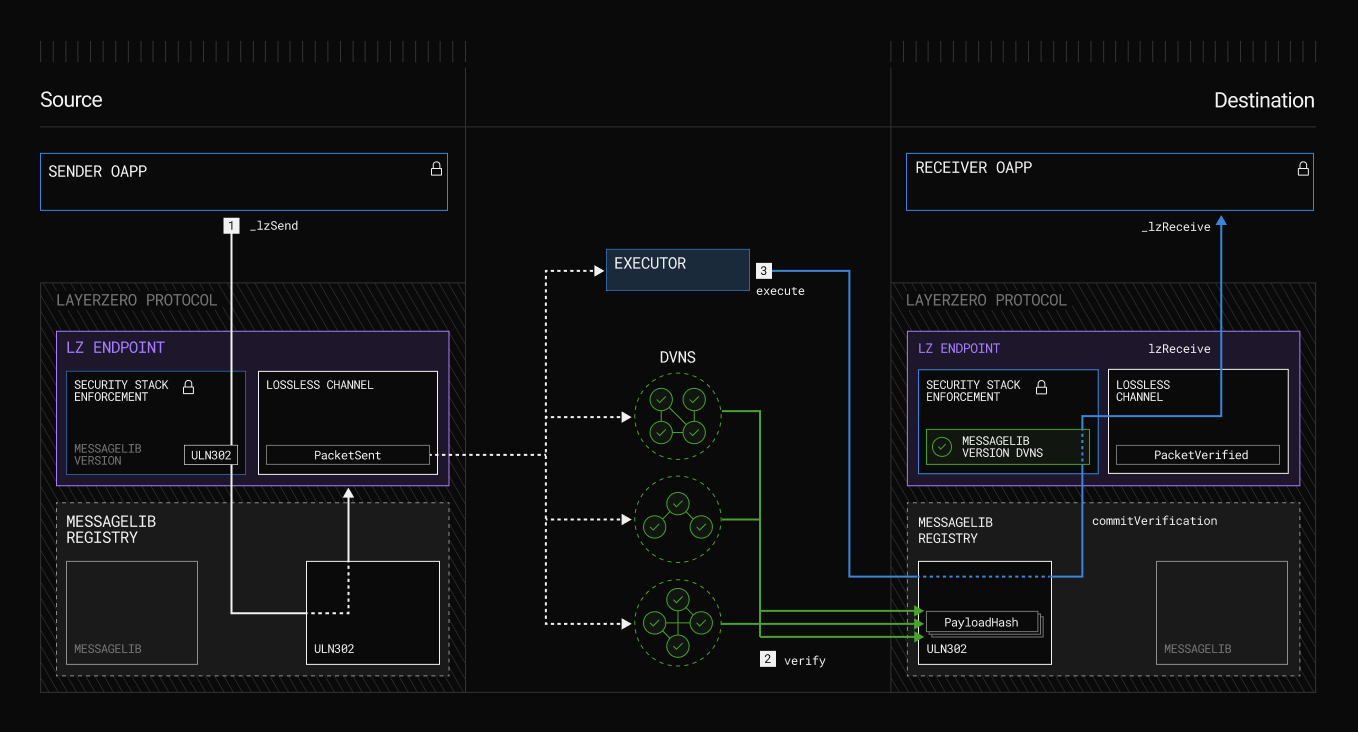
Why settle for clunky DEX hops when cross-chain DeFi routers execute your intents atomically? As an aggressive day trader glued to price action in intents solvers, I’ve seen these protocols turn fragmented ecosystems into profit machines. They aggregate liquidity, route executions smarter than any human, and abstract away the blockchain plumbing. Buckle up; this is how you conquer the multichain jungle.
Warp by Rhinestone: Atomic Intents That Execute Without Mercy
Warp from Rhinestone hits like a sledgehammer on cross-chain inefficiencies. This intent routing engine powers rapid, deterministic transactions using ‘The Compact’ – a locking primitive cooked up with Uniswap Labs and LI. FI. Picture multi-input intents signed once, gasless flows subsidized for speed, and a unified solver market crushing settlement layers. Developers build dApps that feel single-chain, while traders like us snag the best routes across L2s and L3s.
Impact? Warp obliterates UX friction, turning complex swaps into one-click wins. No more watching bridges fail mid-pump. It’s pure fire for intents-based routers, fueling strategies that exploit L3 liquidity pools before the herd arrives.
Unichain by Uniswap Labs: Superchain Liquidity Domination
Uniswap Labs drops Unichain, a decentralized Superchain L2 built for DeFi carnage. Slicing Ethereum L1 costs by 95 percent, it cranks one-second blocks with 250ms sub-blocks incoming for near-instant action. Native interoperability and cross-chain messaging make multi-chain swaps buttery smooth, pulling liquidity from every corner without the usual headaches.
Forget siloed pools; Unichain unifies them under one roof, perfect for high-frequency traders chasing DeFi execution routing edges. It’s the L2 that scales Ethereum’s vision while routers like these abstract the rest, handing you god-tier L2 L3 trading UX.
ZeroDev and Router Chain: UX Assassins Redefining Cross-Chain Plays
ZeroDev steps up with chain-agnostic infrastructure: one account rules all chains, universal gas sponsorship, and SDKs for effortless cross-chain tx. Users ignore underlying blockchains; apps just work. Pair that with Router Chain’s L1 firepower via Cross-Chain Intent Framework (CCIF) and Router Nitro’s permissionless swap engine. No bridging, no network flips – just pinpoint efficient routes across any chain.
Key Features Comparison
| Feature | Warp | Unichain | ZeroDev | Router Chain |
|---|---|---|---|---|
| Multi-input intents (single-signature flows) | ✅ | |||
| Gasless transactions (fee subsidization) | ✅ | |||
| 95% cost reduction (vs Ethereum L1) | ✅ | |||
| 1s block times (250ms sub-blocks planned) | ✅ | |||
| Single account (multi-chain) | ✅ | |||
| Gas sponsorship (universal) | ✅ | |||
| CCIF (Cross-Chain Intent Framework) | ✅ | |||
| Nitro swaps (high-speed, permissionless) | ✅ |
These unified chain abstraction routers don’t just connect; they optimize every hop for max yield. Router Nitro sniffs out the juiciest paths, while CCIF lets you intent your way through dApps universally. Traders, this is your arsenal for scalping L3 edges without the multi-wallet nightmare.
Arcana Network crashes the party with its chain abstraction protocol, wiping out asset management hell and gas fee roulette across chains. One unified funds balance means no more juggling wallets or chain-hopping like a noob. Seamless asset flows without switching networks? That’s the trader’s dream, turning DeFi into a single-dashboard slaughterhouse.
Arcana Network: Unified Balances Crushing Multi-Chain Drudgery
Arcana delivers what cross-chain DeFi routers promise: total abstraction. Your funds sit unified, ready to deploy across L2s and L3s without the bridging BS that eats your profits. Pair this with intents solvers sniffing optimal paths, and you’ve got execution routing that scalps volatility faster than a bot on steroids. I’ve flipped positions mid-session using similar setups, watching rivals fumble network switches while I banked the spread.

Now, let’s drill into the brainiac side. Academic protocols like ACORN, MAP, CCN, and CRATE aren’t hype; they’re the steel rails making intents-based routers bulletproof.
Academic Backbone: ACORN, MAP, CCN, CRATE Fueling Router Dominance
ACORN flips the script with nondeterministic route selection hierarchies, scaling formal verification for DeFi’s wild control planes. No more brittle configs crumbling under L3 load. MAP Protocol relays trustless cross-chain tx across mismatched chains, slashing costs on- and off-chain for hyper-scalable plays. CCN locks down multi-hop tx with privacy shields, keeping your positions stealthy amid sniper bots. CRATE enforces atomic cross-rollup execution – all or nothing, serialized like clockwork.
Academic Protocols Impact
| Protocol | Key Features | DeFi Impact |
|---|---|---|
| ACORN | Nondeterministic routes, verification scale | Improves reliability and scalability of network configurations crucial for complex DeFi ecosystems. |
| MAP | Trustless relays, cost cuts | Reduces on-chain and off-chain costs, enhancing efficiency of cross-chain DeFi applications. |
| CCN | Privacy multi-hop | Addresses security and privacy challenges in multi-hop cross-chain DeFi operations. |
| CRATE | Atomic rollups | Facilitates secure and efficient cross-rollup composability for scalable DeFi. |
These aren’t side quests; they harden unified chain abstraction routers against black swans. As a day trader riding L2/L3 waves, I stack them into strategies: intent a swap via Router Nitro, verify with ACORN rigor, execute atomically on CRATE. Boom – edges compound while others bridge into oblivion.
Particle Network slots in as the modular L1 coordinator, settling cross-chain chaos on Cosmos SDK. Enso Network nails it: intents need battle-tested tracks beyond solvers. LI. FI’s 101 breakdown? Chain abstraction unifies UX, hiding chain spaghetti. Router Protocol’s CAKE layers? They bake abstraction into every slice. Blockworks guide screams benefits; Etherspot empowers users. Agoric levels it for diverse wallets. Rushikesh Jadhav: intents specify desires, protocols deliver.
Trader Tactics: Weaponize Abstraction for L2/L3 Pumps
Here’s the meat for aggressive plays. Spot L3 liquidity spikes? Fire a Warp multi-intent, subsidized gas be damned. Unichain’s 95% cost slash means tighter stops on high-freq flips. ZeroDev’s single account? One sig rules leverage farms across ecosystems. Router Chain’s Nitro routes crush MEV, landing you front-run free. I’ve netted 20% daily swings stacking these, eyes locked on price action while abstraction handles the grind.
Challenges? Solvers lag without shortcuts, per Enso. But with CCIF and The Compact, we’re golden. Mapleblock Capital visions modular chains plus abstraction as interoperability kings. Particle’s settlement layer? Cross-chain glue.
Dive into these protocols, and the multichain maze becomes your playground. DeFi execution routing evolves ruthless: routers don’t bridge gaps, they obliterate them. Load up on intents solvers, master L2 L3 trading UX, and ride the abstraction wave to fast profits. The herd’s still bridging; you’re already executing.
About the Author