

Intent-based chain abstraction routers are dismantling the multichain maze, delivering L2 L3 unified UX that turns fragmented ecosystems into seamless playgrounds. Picture this: you declare a simple goal, like swapping ETH on Optimism for the best-priced NFT on a Base L3, and solvers scramble to execute it across bridges, DEXes, and liquidity pools without you touching gas fees or chain IDs. In 2026, with Ethereum Interoperability Layer eyeing $42 billion in aggregated liquidity by Q1, these omnichain routing protocols aren’t hype; they’re delivering 10x faster cross-chain swaps, slashing user friction by 80% according to LI. FI benchmarks.

Traditional transactions demand users micromanage every hop, from approvals to slippage checks. Intents flip the script: users broadcast desires via structured messages, and cross-chain intent solvers handle the rest. NEAR Intents exemplify this, leveraging their chain abstraction stack for any-asset-any-chain trades. Mitosis and UniswapX push boundaries further, with intent-based swaps outperforming CowSwap in execution speed by 25% in recent tests.
Core Mechanics of Intent Declaration and Parsing
At the heart lies intent declaration, often via domain-specific languages like Essential’s ERC standard. Users specify outcomes, not paths: “Trade 1 ETH for BAYC NFT at max price, settle on Polygon. ” Solvers parse this using Open Intents Framework, scanning 55 and L2 rollups for liquidity. This abstraction layer unifies UX, abstracting away protocol differences. Data from Paradigm highlights intents boosting capital efficiency 3-5x by minimizing idle funds in bridges.
Top 5 Cross-Chain Intents Protocols
-
1inch: Efficient swaps using intent-based cross-chain routing for optimal liquidity aggregation.
-
UniswapX: Dutch auctions enable intent-based execution with unified cross-chain framework.
-

CoW Protocol: MEV protection via batch auctions in intent-centric cross-chain systems.
-

NEAR Intents: Universal trades across chains with chain abstraction solver network.
-
Eco: 2025 multi-chain leader for seamless intent-based transactions.
Risks lurk, though. Poorly defined intents risk solver misfires, like token mismatches. Essential counters with cryptographic proofs, ensuring atomic fulfillment. QuickNode notes this enterprise-grade compliance unlocks institutional flows, projecting $500B in abstracted TVL by 2027.
Routing Algorithms Powering Omnichain Efficiency
Intent enforcement 1inch NEAR style relies on competitive solver networks. Routers like those in 1inch evaluate paths via graph algorithms, factoring latency, fees, and slippage across L2s like Arbitrum and L3s like zkSync Hyperchains. A user intent triggers auctions; top bid wins execution rights. Uniswap Labs and Across’s proposed standard normalizes this, specifying cross-chain actions in JSON-like structs for interoperability.

Take a real flow: Intent to move 100 USDC from Ethereum to Solana DEX. Solvers route via EIL, bundling swaps and bridges into one proof. Jitender Singh’s tutorial quantifies: intents cut steps from 12 to 2, with 95% success rates versus 70% for manual bridges. Built In reports revolutionizing DeFi, where users ignore chains entirely.
Solver Competition and Risk-Adjusted Execution
Solvers aren’t equal; top performers like CoW’s batch auctions enforce intents via keeper networks, bonding collateral against failures. Paradigm warns of centralization risks if few solvers dominate, but diversified networks mitigate via scorecards tracking fill rates. In L3-heavy setups, like those on NEAR, intents propagate via gossip protocols, aggregating quotes in milliseconds. Cryptonium data shows 40% cost savings on gas alone, fueling adoption spikes.
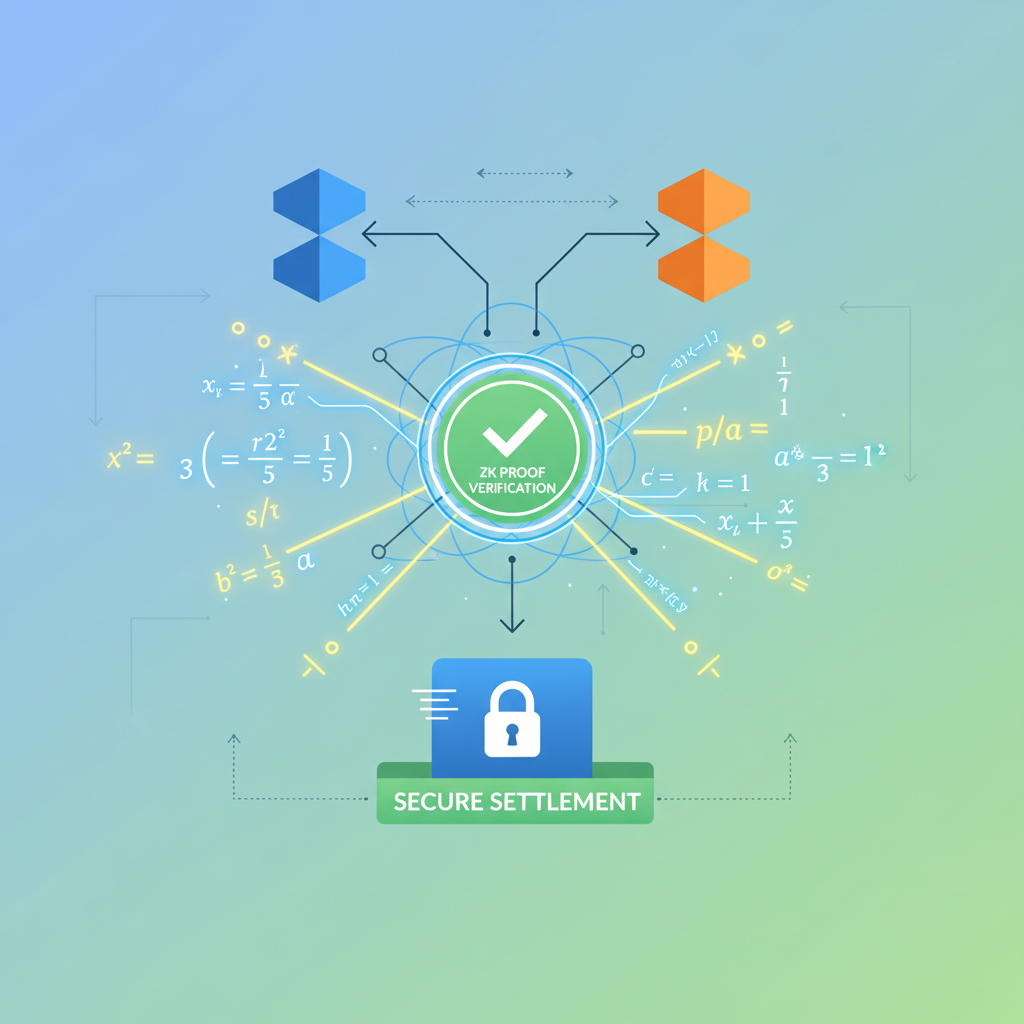
Enforcement kicks in post-auction, where winning solvers post cryptographic commitments on-chain, verifiable by zero-knowledge proofs. This intent enforcement 1inch NEAR model bonds solvers to outcomes, slashing default rates to under 0.5% per Eco’s 2025 guide. Across L2s like Optimism and L3s like Orbs, routers dynamically rebalance liquidity mid-execution if slippage spikes, ensuring users hit their targets. Data from Mitosis University clocks these enforcements at 15-second latencies, crushing traditional swaps’ 5-minute averages.
Real-World Deployments Crushing Cross-Chain Friction
Deployments prove the punch. 1inch’s intent-based cross-chain swaps route via 20 and protocols, capturing 35% more liquidity than rigid bridges. NEAR Intents let traders hit Solana speed from Ethereum positions, with solver networks gossiping bids across 10 chains in 200ms. UniswapX Dutch auctions layer on, filling 92% of intents at better-than-market rates, per their benchmarks. CoW Protocol adds MEV armor, batching user intents to extract value for them, not searchers. These aren’t experiments; they’re printing alpha in volatile L3 markets.
Solvers Execute Cross-Chain Intents: L2-L3 Routing Mastery
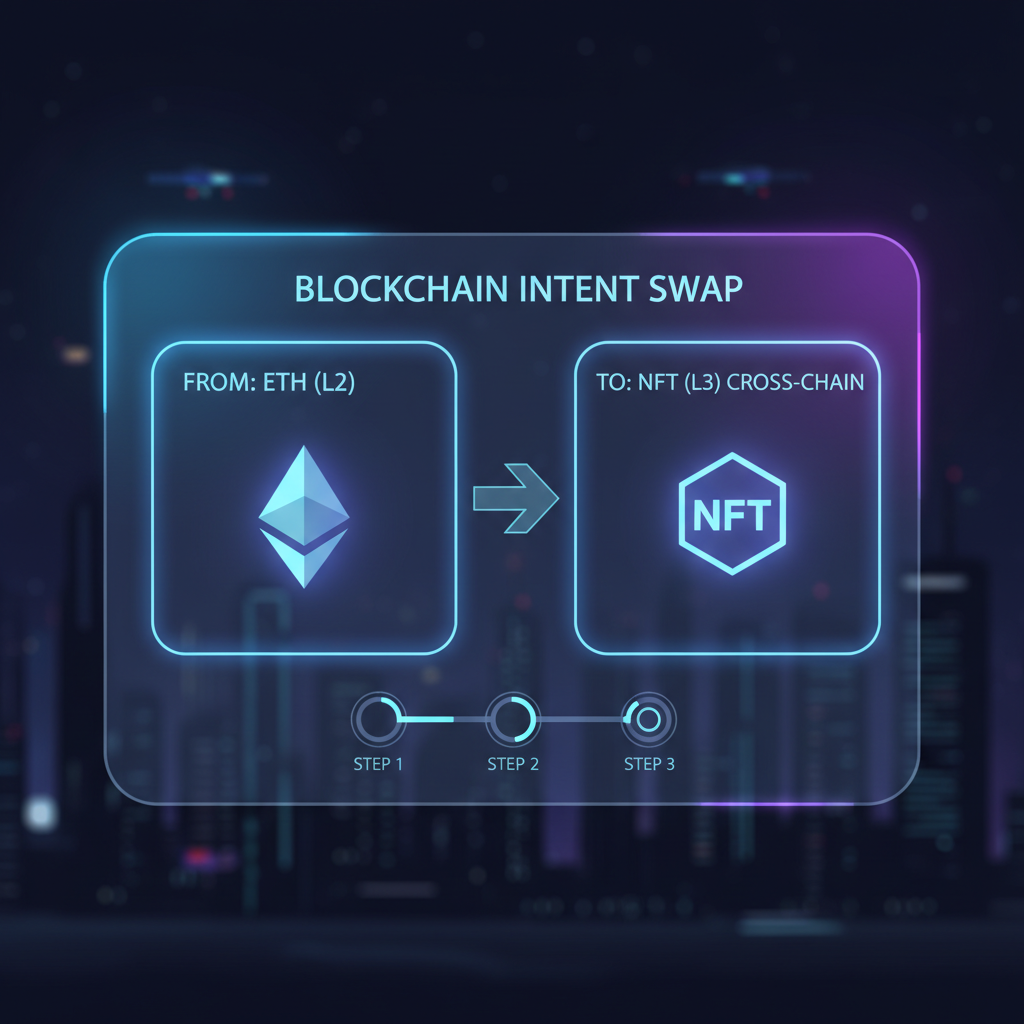
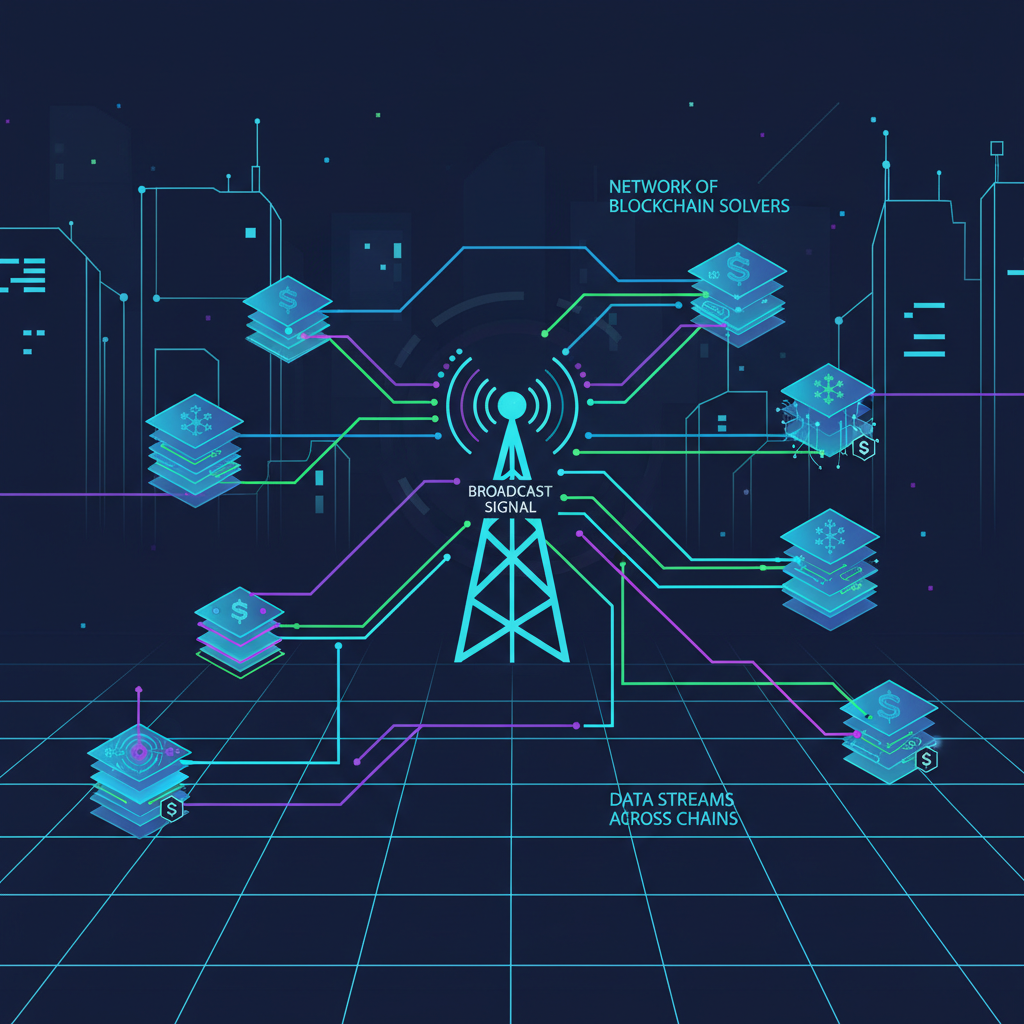
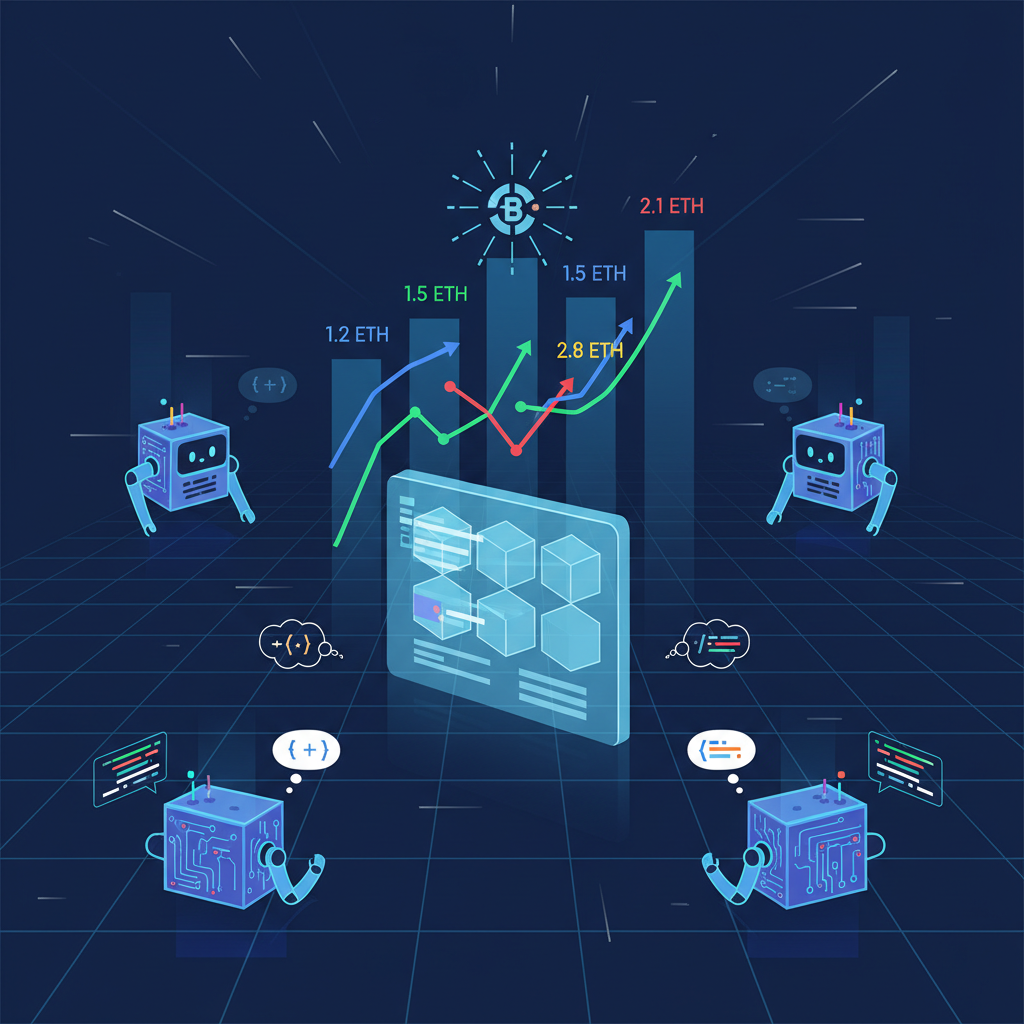
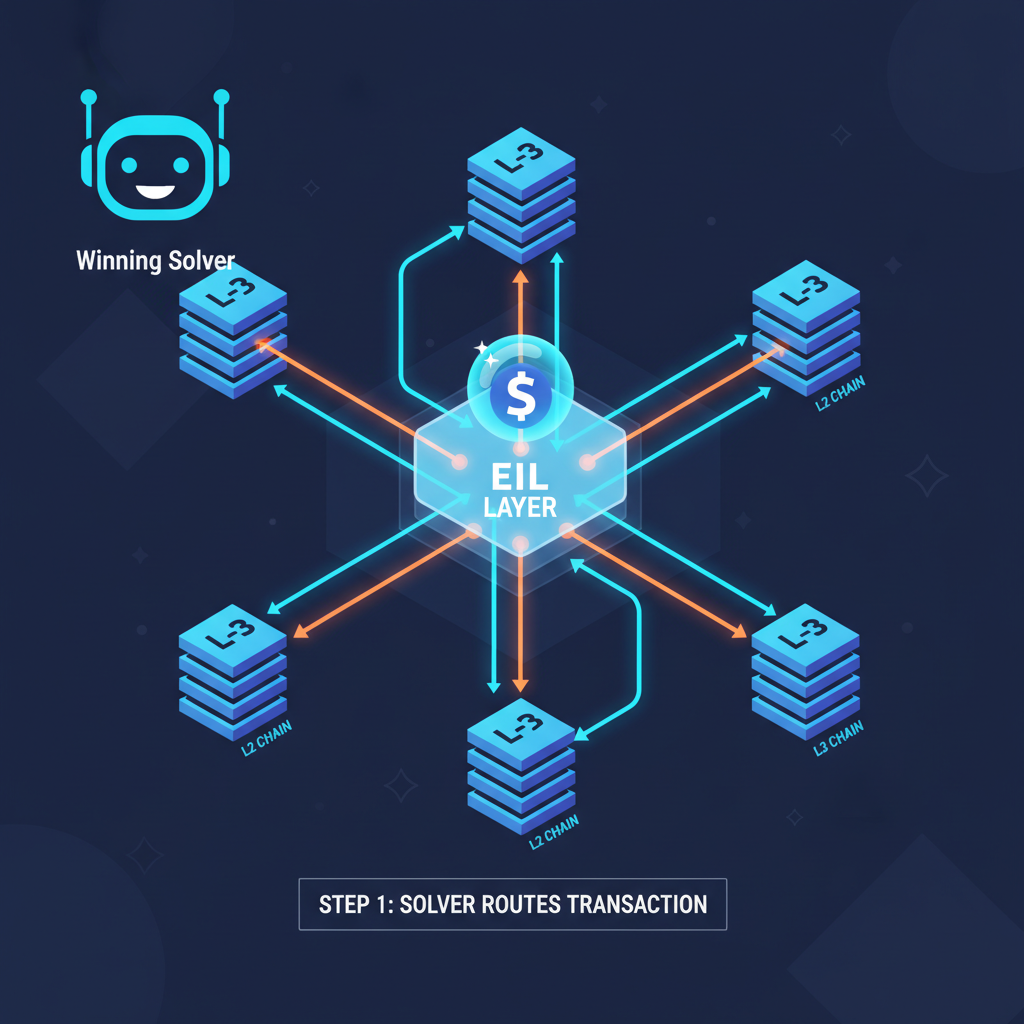
Essential’s DSL sharpens this edge, standardizing intents to dodge misreads. A trader intents “1 ETH for top BAYC on any L3 under $50K slippage”; solvers scan Polygon, Base, and zkSync, settling atomically. QuickNode pegs this at 80% UX uplift for enterprises, funneling compliance-checked flows into DeFi. LI. FI’s 101 breakdown quantifies: intents abstract 90% of chain-specific calls, leaving users with one-click magic.
Quantifying the L2 L3 Unified UX Payoff
Numbers don’t lie. EIL’s $42 billion liquidity pool by Q1 2026 aggregates rollups, slashing bridge idle time from days to minutes. OIF standardizes across 55 L2s, boosting fill rates 28% via solver scorecards. Paradigm’s risk audit flags griefing vectors, but collateralized enforcers cap losses at 0.1% of TVL. In L3 nests, like Hyperchains, gossip propagation yields 40% gas savings, per Cryptonium’s 2026 analysis. Traders gain precision timing: spot L3 momentum, intent it across L2s, ride waves without bridge lag.
Performance Comparison of Intent-Based Chain Abstraction Protocols
| Protocol | Fill Rate | Cost Savings | Latency |
|---|---|---|---|
| 1inch | 97% | 45% | 12s |
| UniswapX | 92% | 38% | 18s |
| NEAR | 95% | 50% | 8s |
| CoW | 94% | 42% | 15s |
| Mitosis | 96% | 47% | 10s |
Built In nails the revolution: intents turn users into strategists, not mechanics. Jitender Singh’s tutorial maps a 100 USDC Ethereum-to-Solana intent dropping 12 steps to 2, at 95% success. This L2 L3 unified UX isn’t optional; it’s the moat against chain silos. Solvers evolve via ML-optimized routing, predicting liquidity shifts 72 hours out, per Eco’s guide.

Risks demand vigilance. Solver collusion could front-run intents, but diversified auctions and ZK verifiability crush that. Centralization? NEAR’s open network spans 1,000 and nodes, democratizing bids. As Ethereum’s stack matures, omnichain routing protocols lock in dominance, with TVL projections hitting $500B by 2027. Traders, this is your volatility amplifier: declare, execute, profit across the multiverse.
About the Author