


In DeFi’s multichain maze, users chase seamless swaps and transfers without wrestling bridges or gas fees across L2s and L3s. Enter chain abstraction solvers and intents: two pillars promising omnichain UX magic. But they are not interchangeable. Solvers execute complex cross-chain maneuvers behind unified interfaces, while intents define user goals for competitive fulfillment. For DeFi traders and yield farmers, grasping their core differences unlocks frictionless strategies.

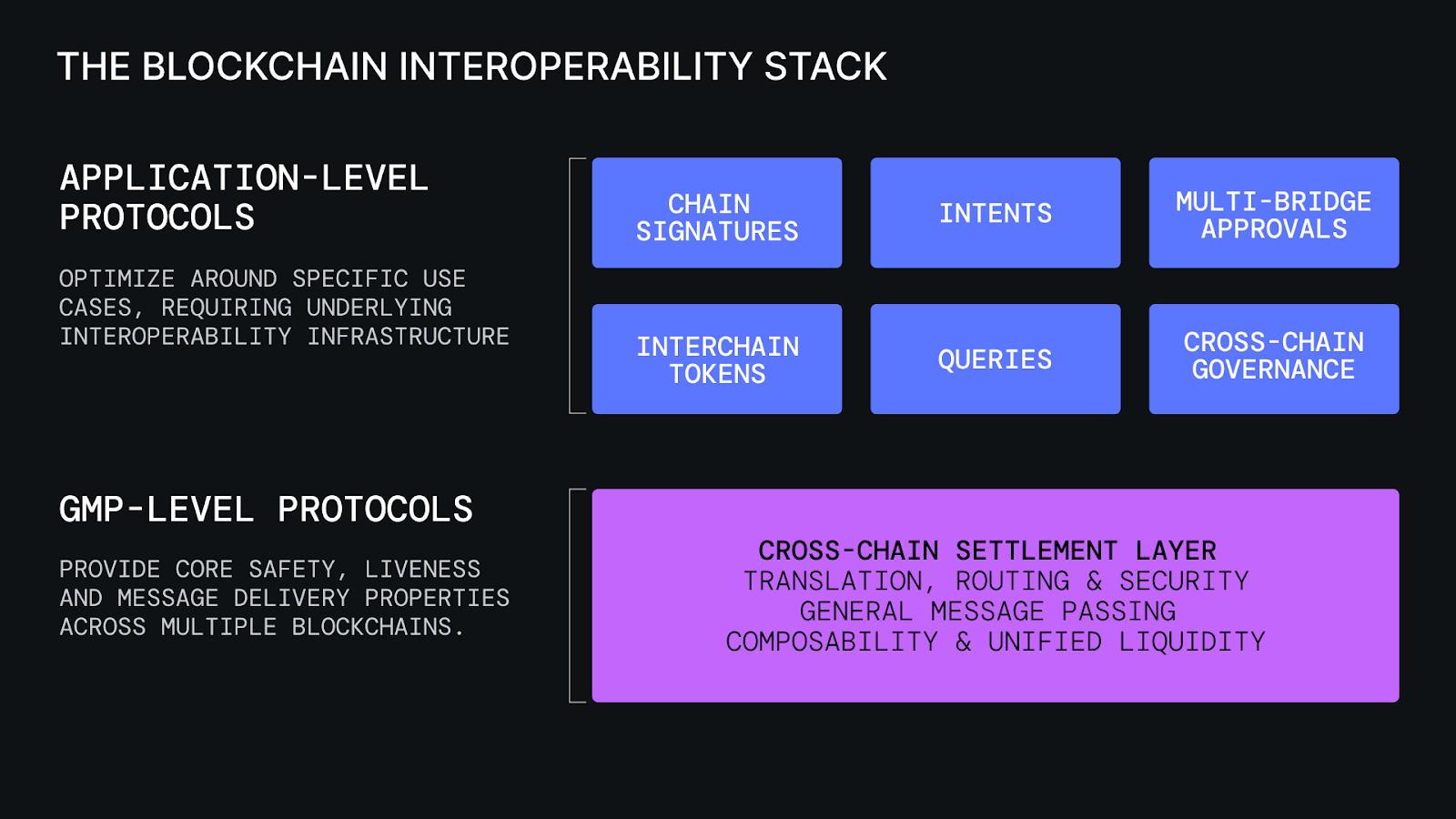
Intents emerged as a user-centric shift. You specify the outcome, like “swap 1 ETH for USDC at the best rate across any chain. ” No need to pick DEXs, routes, or timings. A solver network competes to deliver, outsourcing the grunt work. Protocols like those from 0x or NEAR Intents embody this, turning clunky multi-step txs into one-click bliss. Solvers, often professional market makers, leverage JIT liquidity and gas abstraction for efficiency gains over basic AMMs.
Intents Reshape Transaction Logic for Everyday DeFi
Picture this: you’re on Arbitrum farming points, but the best yields sit on Optimism. Traditional paths mean bridging, swapping, zapping, repeat; each step a MEV trap or failed tx. Intents sidestep that. You broadcast your desire, solvers bid with optimized bundles. Winners execute, deducting fees seamlessly. This intent execution model thrives on competition, yielding better prices and capital efficiency. Sources like Eco and LI. FI highlight solvers as the bridge from intent to reality, abstracting blockchain hassles.
Yet intents shine brightest in dynamic DeFi. They handle natural language or DSL intents, from token transfers to portfolio rebalances. Ethereum Research notes diverse forms, enabling sophisticated plays like conditional trades. For users, it’s Web2-simple: express, execute, done. No wallet juggling or chain hopping.

Chain Abstraction Solvers: The Execution Engines
Solvers power chain abstraction DeFi, focusing on unified UX across fragmented ecosystems. They are not just intent fulfillers; in chain abstraction routers, solvers orchestrate routing, bridging, and settlement under one hood. Think OmnichainUX protocols where solvers scan L2/L3 liquidity pools, bundle actions, and settle atomically. Binance and Modular Media describe them abstracting complexities like heterogeneous proofs or multi-chain gas.
Practically, a solver in ShapeShift’s architecture might cover destination gas from your swap amount, no extra txs. They run algorithms for optimal paths, competing on speed and cost. Khalani Network positions blockchains as ideal for this, generating shared knowledge for solver consensus. Unlike pure intents, chain abstraction solvers emphasize interconnectivity redesign, per Mint Ventures, making chains talk seamlessly.
Here is the rub in intents vs solvers chain abstraction: intents are declarative, user-defined outcomes; solvers are imperative engines turning those into reality. Intents set the what, solvers nail the how across omnichain UX solvers. Chain abstraction amplifies solvers for broader interoperability, handling chain-specific quirks intents might overlook. Spartan Group insights reveal solvers’ edge in execution via pro market making, boosting efficiency over user-led txs.
For DeFi users, intents offer intuitive entry; pair them with robust solvers for pro-level plays. Alon Muroch contrasts intent-centric paths with synchronous composability, favoring intents for Ethereum-wide interop. Yet in L3-heavy landscapes, solvers’ routing prowess prevents silos. My hybrid take, blending on-chain metrics and patterns: combine both for true scalability. Intents without solvers falter on execution; solvers sans intents lack user direction.
Solvers scale via decentralized architectures, as Ethereum Research proposes, managing diverse intents from swaps to complex actions. DeFi users benefit from abstracted bridging, per Substack, focusing on yields not plumbing. This duo evolves DeFi toward unified liquidity pools, where your position follows intents across chains effortlessly.
About the Author