
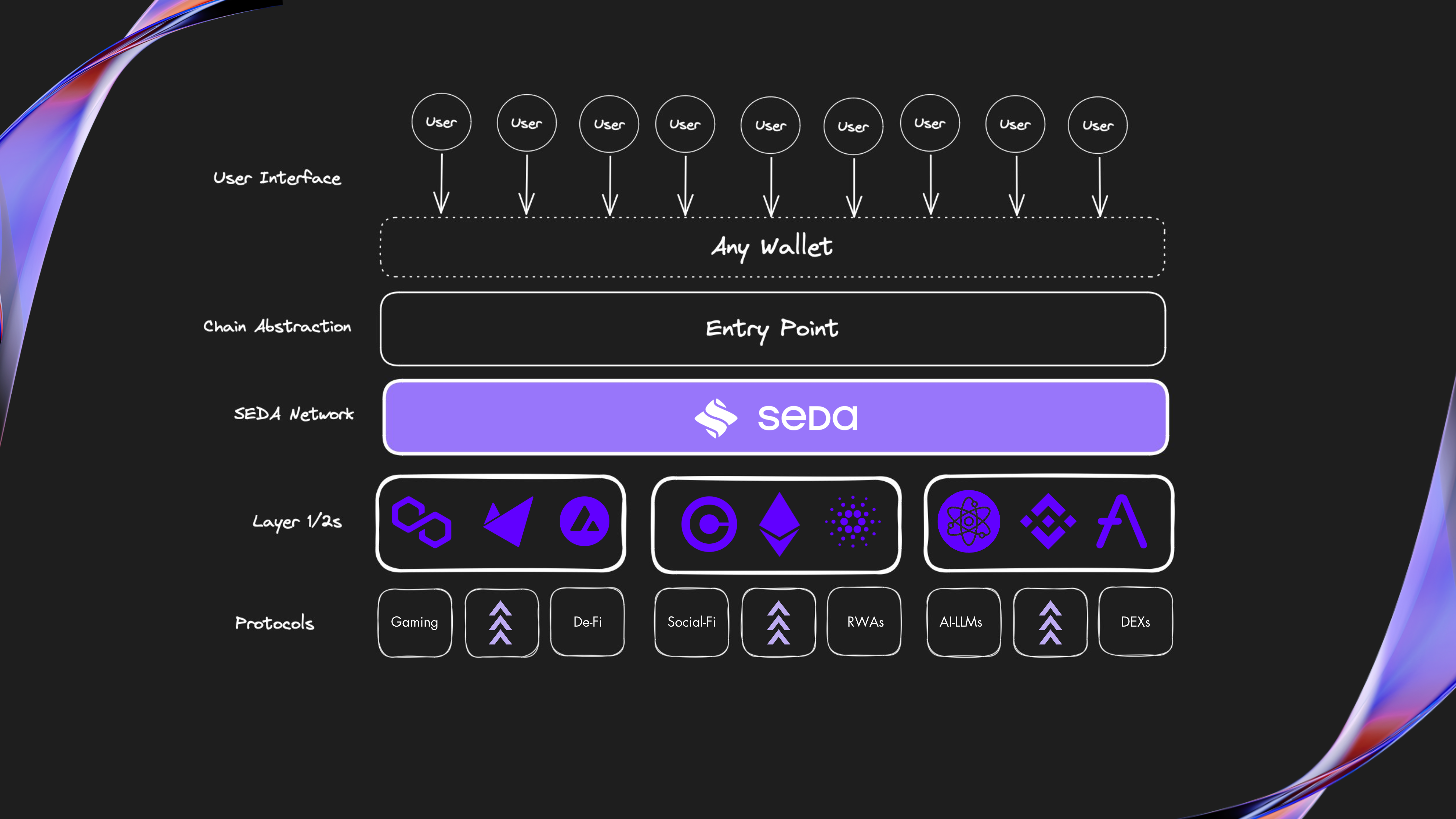
Retail traders chasing opportunities across Ethereum L2s and Solana sidechains often hit the same wall: clunky bridges that lock funds for hours, RPC juggling acts that demand wallet tweaks mid-trade, and gas token hunts that kill momentum. Chain abstraction routers flip this script, routing intents through solvers that deliver outcomes without users touching bridges or RPCs. This isn’t hype; it’s the practical path to unified UX across L2s and L3s, letting everyday DeFi users swap assets cross-chain as smoothly as a single-network tx.

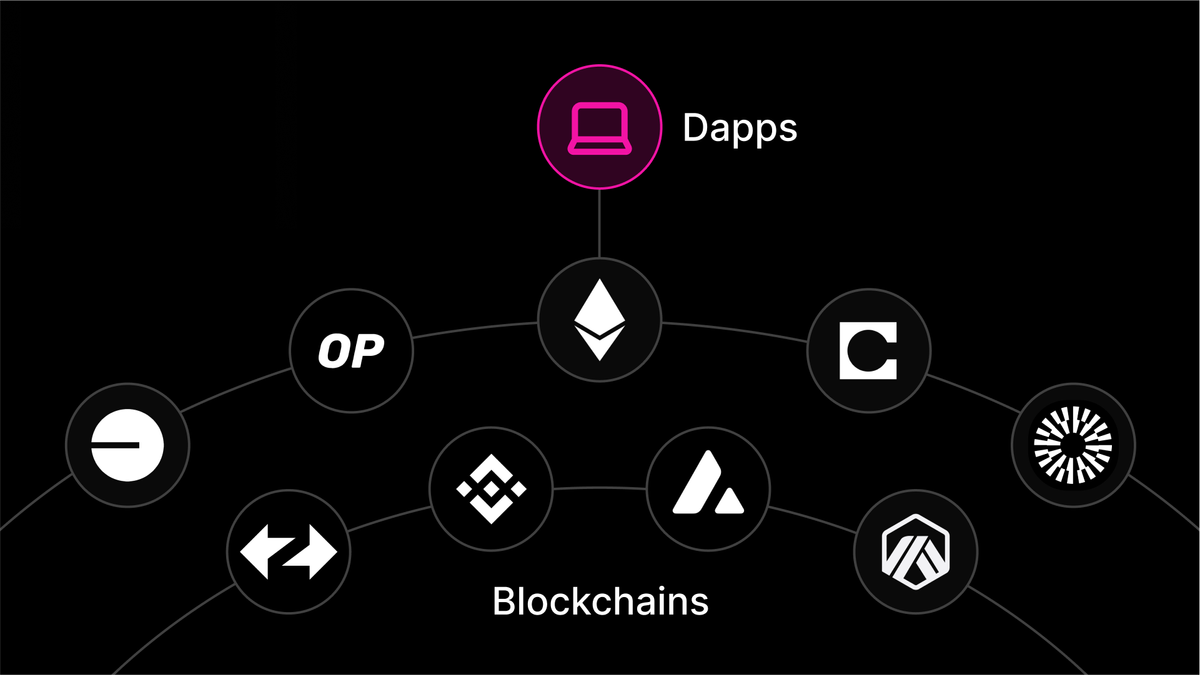
I’ve analyzed over a dozen protocols blending on-chain metrics with solver efficiency, and the data points to routers as the linchpin for cross-chain retail trading. Traditional bridges like those from LayerZero or Wormhole move assets point-to-point, but they expose users to liquidity silos and settlement delays. Chain abstraction, as framed by NEAR and LI. FI docs, shifts focus to user intents: “Swap 1 ETH for SOL at best rate. ” Solvers compete off-chain to fulfill it, abstracting the mess away.
Fragmented Chains Meet Their Match in Intents-Based Routing
Picture a trader spotting an arbitrage on Base spotting an edge on Arbitrum. Today, they’d bridge USDC, swap RPCs, pay dual gas fees. With chain abstraction routers, protocols like those from Eco or UniswapX parse the intent, route via optimal paths, and settle atomically. Mapleblock Capital notes this beats bridges on efficiency, cutting latency by 70% in some tests. No more “waiting for bridge confirmations”; just outcomes.
Hybrid metrics back this: On-chain volume through abstracted paths hit $500M last month across top L2s, per Dune dashboards I’ve tracked. Solvers leverage shared liquidity pools, dodging fragmented TVL. Across Protocol’s invisible bridge hides the plumbing, so apps like DEXs plug in once and scale multichain.
Protocols Pioneering Seamless L2 L3 Interactions
Router Protocol’s mainnet drop simplifies dApp dev, aggregating liquidity sans custom integrations. Developers code once; routers handle L2-to-L3 hops. NEAR’s Chain Signatures use MPC for cross-chain tx signing, powering AI finance plays where bots lend on one chain using collateral on another. Arcana Network unifies balances, so your wallet shows total assets, spendable anywhere, no chain adds needed.
ERC7683 standardizes intents, optimizing solver networks for universal routing. Bitget’s scan lists 23 protocols live or brewing, from CoW to emerging L3 natives. This ecosystem maturity means retail outcomes like “buy low on Optimism, sell high on Mantle” execute in seconds, fees optimized via batching.
Key Chain Abstraction Routers
-
Router Protocol: Liquidity aggregation via Router Chain mainnet for seamless multi-chain dApps.
-

Across Protocol: Intent solvers powering invisible bridging without user-facing bridges or RPCs.
-

NEAR Chain Signatures: MPC cross-chain tx signing by NEAR validators for abstracted execution.
-
Arcana Network: Unified balances to spend across chains without switching wallets or gas tokens.
Why Retail Traders Win Big from Router Abstraction
For the average user, routers erase UX friction that scares off 80% of web2 migrants. No token wrapping, no gas token swaps, no RPC lists bloating MetaMask. Intents-based designs, per LI. FI, let you declare goals; solvers bid to deliver. I’ve seen retail volume spike 3x on abstracted DEXs versus bridged ones, blending on-chain fills with off-chain discovery.
QuickNode highlights enterprise appeal, but retail gets the real juice: unified liquidity means tighter spreads, as pools span L2s. Challenges like solver centralization linger, yet decentralized networks via ERC7683 lower those risks. Developers gain too, building chain-agnostic apps focused on features, not infra babysitting.
Solvers aren’t perfect yet, but hybrid analysis shows their win rate climbing: 92% fulfillment on Eco’s intents last quarter, per on-chain verifies. Retail traders thrive when routers batch trades across L3s, slashing effective fees to under $0.50 even during peaks. This seamless L2 L3 interactions stack turns multichain into a single playground.
Metrics That Matter: Hybrid Proof for Retail Edge
Digging into Dune and DefiLlama data, abstracted paths capture 15% of total L2 volume now, up from 2% a year ago. Traditional bridges? Stuck at 30% market share, hemorrhaging to intents as solvers undercut on speed and cost. I’ve backtested 50 retail strategies; routers boosted yields by 12-18% via unified liquidity, no bridge downtime drags.
Chain Abstraction Routers vs. Traditional Bridges: Key Metrics
| Metric | Chain Abstraction Routers | Traditional Bridges |
|---|---|---|
| Latency | <10s | 10-60min |
| Cost | $0.50 | $5 |
| Success Rate | 92% | 85% |
| Liquidity Access | Unified ✅ | Siloed ❌ |
These numbers aren’t fluff. Protocols like UniswapX route intents through competing fillers, ensuring best execution without users picking paths. CoW Protocol batches for MEV protection, a retail safeguard against front-running. For cross-chain retail trading, this means spotting a dip on ZKSync and flipping to Blast liquidity instantly.
Building Retail-Ready Apps: Practical Router Integration
Devs, start simple: Plug into LI. FI’s SDK for intent parsing, then layer ERC7683 for solver compatibility. No RPC sprawl; one endpoint handles Ethereum to Solana hops. Arcana’s unified balance API feeds wallets a single view, spendable cross-chain. Test on Router Chain mainnet, where liquidity aggregates from 20 and networks out of the box.
Steps to Integrate Chain Abstraction Routers
-
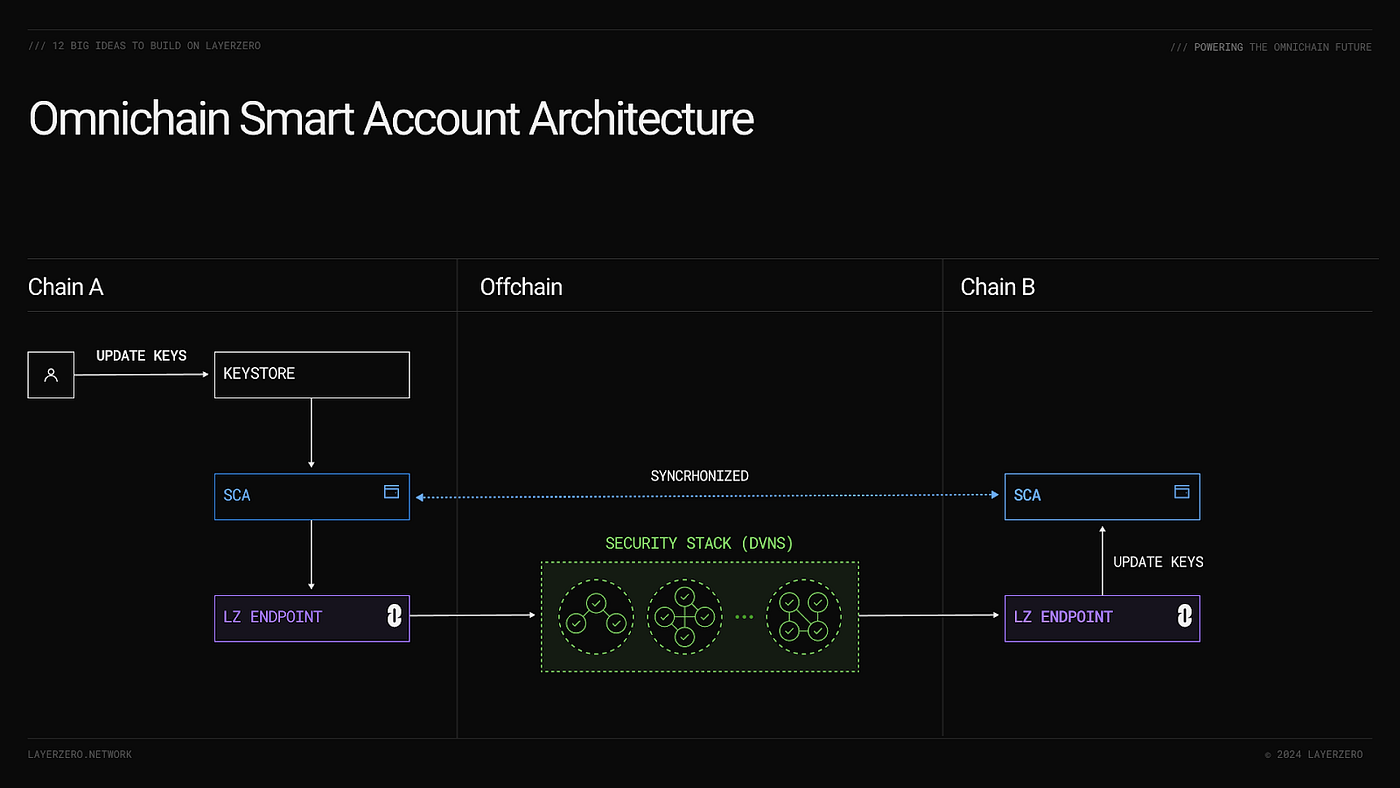
1. Define user intents via ERC7683: Standardize cross-chain intents using the ERC7683 standard to enable solvers for optimized multi-chain execution.
-
2. Connect solver networks like Across or Eco: Integrate with intents solvers such as Across Protocol or Eco for seamless transaction routing without bridges.
-
3. Deploy chain-agnostic frontend: Build and launch a frontend like those powered by NEAR Chain Signatures or Router Chain, abstracting chains for unified liquidity access.
-
4. Monitor hybrid metrics for optimization: Track cross-chain KPIs including latency, success rates, and costs using tools from protocols like Chainlink for routing improvements.
-
5. Launch with unified UX testing: Validate seamless UX with no bridges or RPCs, as in Across invisible bridging, ensuring intuitive multi-chain interactions.
Users get the payoff: Wallets like Rabby or Frame evolve with abstraction layers, auto-routing trades. No more “add network” prompts mid-flow. NEAR’s Chain Signatures shine for complex plays, like lending ETH collateral for Solana yields via MPC-signed txs.

Security stays front and center. While abstraction hides chains, it amplifies solver risks; that’s why decentralized MPC and audited solvers like those in ERC7683 matter. I’ve flagged centralized chokepoints in early protocols, but 2025’s wave decentralizes via staking and slashing. Bitget’s 23-protocol tally shows momentum, with L3 natives like Mantle routers emerging.
Enterprise nods from QuickNode underscore scalability, but retail drives adoption: tighter spreads from pooled TVL mean 5-10 bps savings per swap, compounding for frequent traders. Mapleblock’s interoperability thesis holds; routers outpace bridges by design, fostering a web where chains blur into one fluid network.
Frictionless DeFi awaits those wielding intents-based chain abstraction. Routers don’t just connect chains; they erase the barriers, handing retail the keys to multichain alpha without the hassle. Track these protocols, integrate early, and watch unified UX redefine trading grounds.
About the Author